

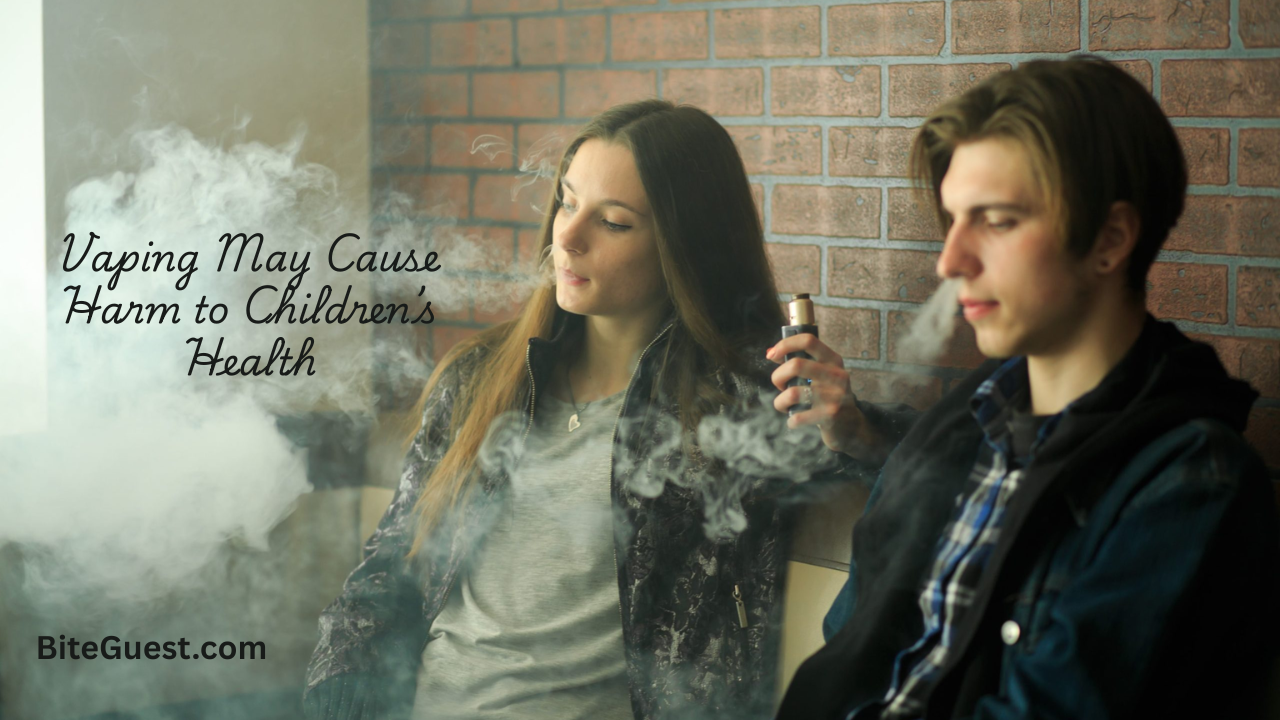
The trend of vaping is steadily climbing among teenagers and even younger kids. With the presence of colorful gadgets, flavored e-liquids, and acceptance in society, a lot of youngsters see vaping as a less harmful option to smoking. However, there is a threat hiding under the sweet clouds. Studies prove that the use of electronic cigarettes can lead to children’s health problems that last for a very long time or even be irreversible.
It is very important for parents, teachers, and doctors to know about these risks so that they can take measures to protect kids and teens. This article discusses in detail the negative effects of vaping on the physical, mental, and oral health of children and offers scientific support for the claims made, along with recommendations by the experts.
Why Children Are More Vulnerable Health
Kids and adolescents have a higher sensitivity to toxic substances since their whole body and mind are in the process of maturation. Nicotine, especially, can prevent the normal development of the brain, which will in turn affect the child’s memory, attention, and learning. Moreover, the substances that are in vape smoke can cause the lungs to grow slowly and the area of the lungs that can hold fresh air to be smaller. Besides, vaping is one of the factors that lowers immunity, so children become easy targets for infections.
The Chemicals in E-Liquids

Many people believe that e-liquids are just harmless, sweet-flavored liquids, but they contain dangerous chemicals. Children inhale these chemicals into their lungs every time they vape. Some of the most harmful ingredients include:
- Nicotine: Highly addictive and damaging to the developing brain. It can affect learning, memory, and impulse control.
- Propylene Glycol and Glycerin: Common in vape juice, these chemicals produce harmful compounds when heated, which irritate the lungs and airways.
- Heavy Metals: Small amounts of metals such as lead, nickel, and chromium can enter the vapor and cause long-term health problems.
Even low levels of these chemicals can accumulate in a child’s body over time, leading to lasting harm.
How Does Vaping Affects the Lungs
Kids who are using vapes are really in danger of getting lung disorders since their lungs are still in the process of maturing. The lung tissue and airways get irritated by the vape smoke, and this can lead to chronic coughing, wheezing, and difficulty breathing. The kids with asthma may have more severe attacks and also face trouble breathing.
Moreover, vaping can lead to a decrease in the lung’s capacity, and this will make physical activities harder and therefore the person will be less fit overall. One of the worst cases that are related to vaping is EVALI (E-cigarette or Vaping Associated Lung Injury), and such a condition can be fatal. Once the child’s lungs are damaged, it is usually very hard to reverse the situation, even if the child quits vaping in the future.
Effects on Heart Health
The presence of nicotine in e-cigarettes has many different effects on the heart. It speeds up the heartbeat and raises the blood pressure, thus the vessels and heart have to work harder. Children who get nicotine early on in their lives stand a better chance of suffering from heart disease, arrhythmias, and high blood pressure later in life.
However, even a very short exposure can be enough to alter the cardiovascular system for a long time. Thus, over the years, vaping might make you more prone to heart attacks, strokes, and other heart-related problems.
Oral Health Problems From Vaping
Oral health is also severely affected by vaping. Nicotine lowers the blood flow to the gums, leading to inflammation, swelling, and bleeding. Sweetened flavorings sustain poisonous bacteria in the mouth, resulting in tooth decay and cavities. Vape liquids contain chemicals that can inhibit the amount of saliva, which helps in protecting the teeth and gums, thereby predisposing a person to gum disease and loss of teeth.
For more information on how vaping harms children’s teeth and gums, see our detailed guide: Vaping Risks for Teen Teeth, Gums, and Oral Health.
Once vaping is sustained, these problems of the mouth may turn out to be irreversible. Children might require additional dental visits, and bad teeth might have an impact on health.
Mental and Emotional Impact
Vaping does not only represent a physical health issue. Nicotine also alters the brain chemistry, which is likely to predispose one to anxiety, depression, and mood-related disorders. It is also known to interfere with sleep patterns, which influences concentration, school performance, and the amount of energy every day.
Vaping can also lead to addiction, and therefore find it difficult to concentrate on studies and social activities. The use of nicotine at an early age may also translate to the use of other substances that are harmful in the future.
Social and Behavioral Effects of Vaping
Vaping is regarded as a type of social activity, particularly in teenagers. Even knowing the dangers, peer pressure can make children attempt to smoke e-cigarettes. School performance and attention in classes can be addicted and health problems can occur. Being exposed to nicotine at a very young age makes a person more susceptible to indulging in risky behaviors such as alcohol consumption or abuse of other drugs.
It is worth knowing about these social outcomes since the risks of vaping are not confined to the body, but they influence emotional and behavioral, and social development..
How to Prevent Vaping in Children
Education, awareness, and regular assistance are all that is needed to prevent vaping.
- Educate children on the harm of vaping in straightforward language that they can comprehend.
- Encourage hobbies and sports, and other creative actions as alternatives to vaping.
- Establish house rules regarding substance use and justify these rules.
- Preventative, counseling, and awareness community programs and support school programs.
Early intervention is key. The more the child vapes, the more the chances of being harmed irreversibly.
Actionable Takeaways for Parents
Parents have a vital role in keeping children safe from vaping. Key steps include:
- Keep track of the corresponding online and social exposure to the culture of vaping.
- Promote frequent check-ups by the doctor to check on lung, heart, and mouth health.
- Community and support school programs that center on vaping prevention.
- Set the example of healthy behaviors at home by not using tobacco and vaping products.
This is because taking these steps will enable children to become healthy, prevent addiction, and minimize the health risks in the long run.
Can vaping cause lung cancer
Vaping aerosols contain harmful chemicals like nicotine and heavy metals. These can damage cells and tissues in the lungs. Over time, such damage could increase lung cancer risk. However, definitive proof that vaping alone causes lung cancer is still lacking. Many studies highlight a possible risk, but more long-term research is needed.
Mixing vaping with cigarette smoking raises lung cancer risk more than smoking alone. For now, vaping should be seen as a risky habit with potential cancer links. Avoiding vaping, especially for children and teens, is the safest choice to protect lung health. Ongoing studies will clarify vaping’s long-term effects on lung cancer development.
Emerging Research on Vaping and Children
The research and data on vaping continue to emerge, but the current research outlines concerning trends. Children who vape are more likely to experience issues with their lungs or heart, mental health issues, and addiction. Furthermore, studies show that the chemicals in e-liquids can create permanent changes to children’s brain development and further their vulnerability to other substance-use disorders.
In an effort to increase research and findings, it is important to educate children and prevent vaping before we see the ramifications of these health impacts.
Conclusion
Vaping is not harmless, particularly to children. Nicotine and the toxic ingredients in e-liquids continue to damage children’s lungs, hearts, brains, and overall health. Even if the child is a casual or light user, there will still be ramifications. Awareness, education, and proactive measures are needed, as we are not only trying to stop a behavior, but we are also trying to protect the child’s health, development, and well-being in the future.
Parents, teachers, and the community have to take action now to reduce vaping in children and provide safe and healthy alternatives to their teens’ lives. Pro-active prevention will save lives and lead children to grow up strong and healthy.
FAQS
What chemicals in vapes harm children’s health?
Vapes contain nicotine, heavy metals, and toxic chemicals that can harm developing organs and tissues in children.
Can vaping damage be reversed in children?
Some health effects, like lung and gum tissue damage, may be permanent even if a child stops vaping early.
Why are teens more likely to get addicted to vaping?
Adolescents’ brains are still developing, making them more susceptible to nicotine addiction and craving cycles.
Are non-nicotine vapes safe for kids?
No, even nicotine-free vapes contain harmful chemicals and can still cause respiratory and oral health problems.
How can parents tell if their child is vaping?
Warning signs include coughing, changes in breath odor, gum issues, secrecy, and unfamiliar devices among their belongings.