

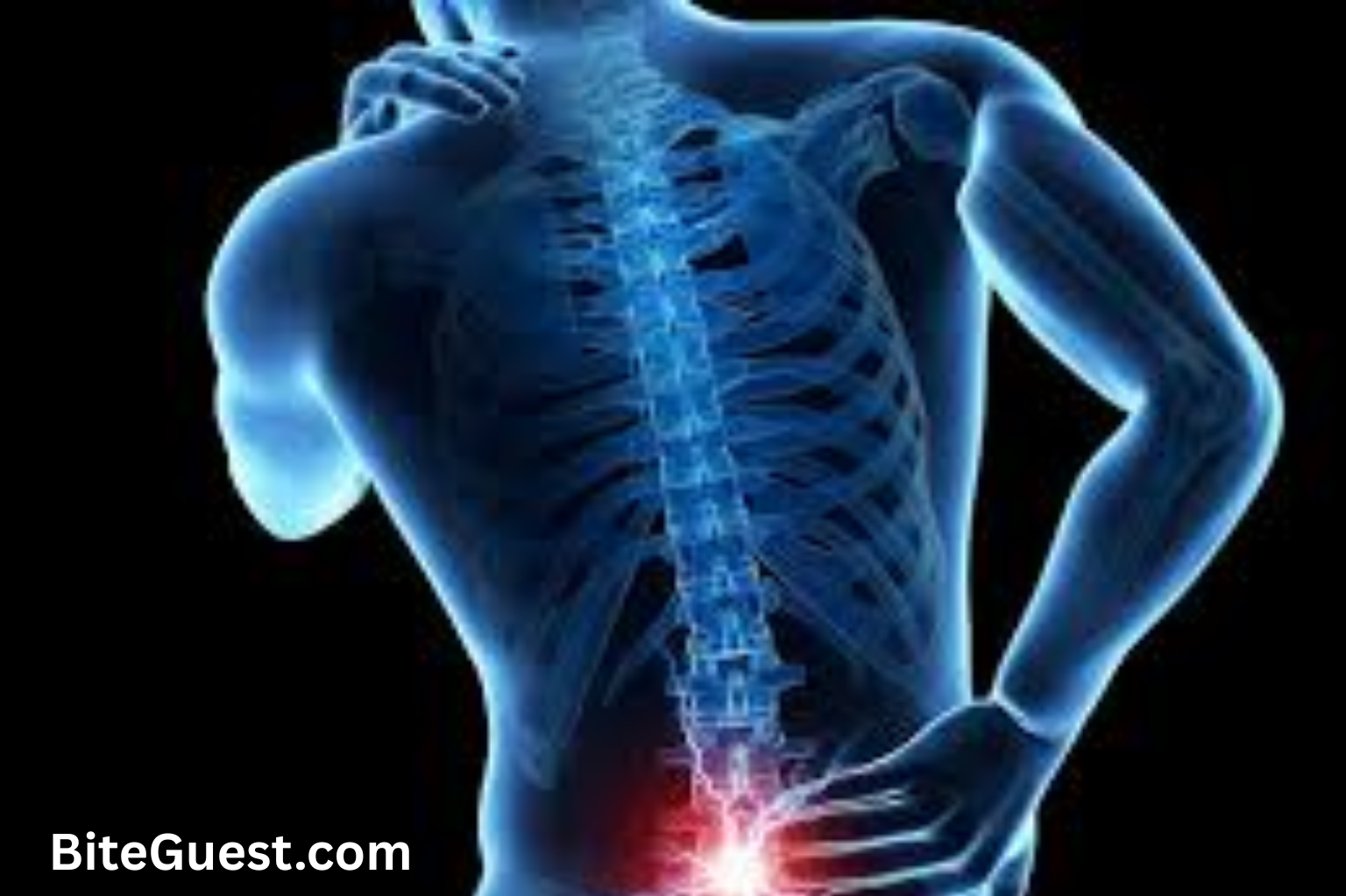
Lower back pain is a common health problem that affects people of all ages. It can cause mild discomfort or intense pain that makes daily life difficult. Some people feel pain for only a short time. However, others suffer for weeks or even months.
In many cases, muscle strain, poor posture, injuries, or medical conditions like sciatica or kidney problems cause this pain. Moreover, the pain may spread to the area above the left hip. As a result, finding the exact cause becomes difficult.
Therefore, understanding the causes, symptoms, and treatment options for lower left back pain helps you take the proper steps for relief and prevention.
What is Lower Left Back Pain?
Lower left back pain means pain or discomfort on the left side of the lower back. It can feel mild or severe. In addition, it can affect movement, work, and daily activities.
Some people feel a dull ache. Others feel sharp or stabbing pain. The pain may come and go, or it may stay constant. In some cases, the pain spreads above the hip, which makes it harder to locate the source.
Common Causes of Lower Left Back Pain
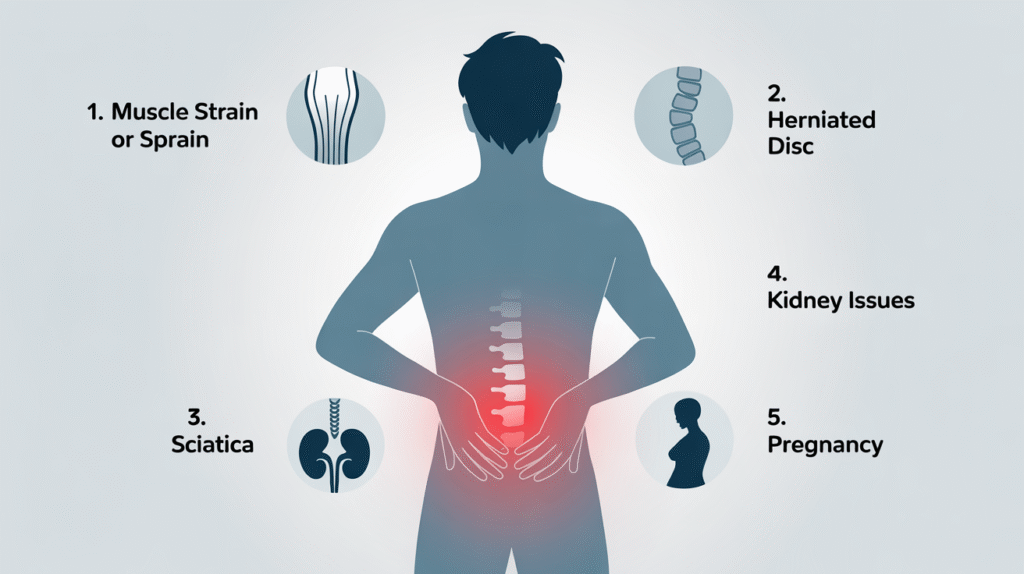
First of all, finding the cause of lower left back pain helps guide proper treatment. Below are the most common reasons.
1. Muscle Strain or Sprain
Muscle strain is one of the most common causes of lower left back pain. It happens when muscles or ligaments stretch too much or tear.
For example, heavy lifting, sudden movements, or poor posture often cause this problem. In addition, people with physically demanding jobs face a higher risk.
2. Herniated Disc
A herniated disc develops when soft material inside a spinal disc pushes outward and presses on nearby nerves. As a result, pain can spread from the lower back to the legs.
When this problem affects the left side of the spine, it often causes lower left back pain. Moreover, numbness, tingling, or weakness in the legs may appear
3. Sciatica
Sciatica occurs when the sciatic nerve becomes irritated or compressed. This nerve runs from the lower back down each leg.
If the left side becomes affected, pain may start in the lower left back and travel down the leg. The pain can feel mild at first. However, it may turn sharp or shoot over time.
4. Kidney Issues
Kidney-related issues can also cause pain in the lower left back, particularly above the hip. Kidney stones, kidney infections, or other kidney-related problems can result in a dull or sharp ache that may be mistaken for muscle pain. If the pain is accompanied by other symptoms, such as fever, nausea, or changes in urination, it’s essential to consult a healthcare provider promptly.
5. Pregnancy
For women, pregnancy can lead to lower back pain due to the increased weight and changes in posture. The extra pressure on the spine, combined with the release of hormones that relax ligaments, can cause lower back pain, often on one side. This pain usually gets worse as the pregnancy progresses.
Lower Left Back Pain Above the Hip
Pain located above the left hip can be due to various factors:
- Muscle Strain: Overuse or injury to the muscles in this area.
- Sacroiliac Joint Dysfunction: Inflammation or dysfunction in the joint connecting the spine to the pelvis.
- Kidney Problems: As mentioned, issues with the left kidney can cause pain in this region.
Digestive Issues: Conditions like diverticulitis can cause referred pain to the lower left back.
When Should You See a Doctor
While lower left back pain can often be treated at home, specific symptoms indicate that medical attention is necessary. Seek medical care if:
- The pain persists for more than a few weeks without improvement.
- You experience severe pain that disrupts your daily life.
- There is numbness, tingling, or weakness in the legs.
- You have difficulty controlling your bladder or bowels.
- Fever, chills, or unexplained weight loss accompany the pain.
- You experience pain following a fall or injury.
Treatment Options for Lower Left Back Pain
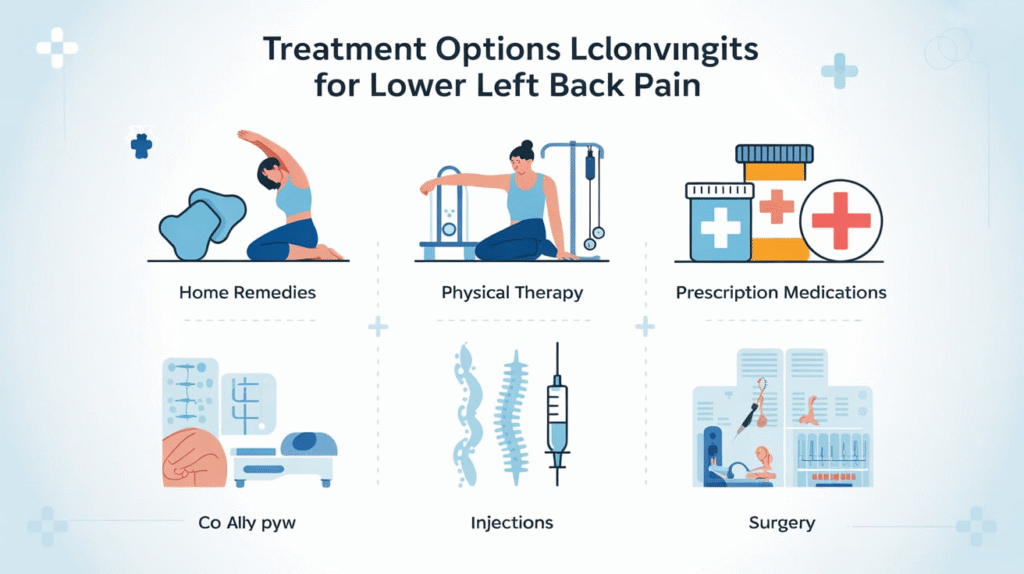
Various treatment options are available for managing lower left back pain, depending on the cause and severity of the condition. Below are some standard treatment methods:
1. Home Remedies
- Rest: Taking a break from activities that exacerbate the pain can give your muscles time to heal. However, prolonged bed rest is not recommended, as it can weaken muscles and increase stiffness.
- Heat and Cold Therapy: Applying ice or heat to the affected area can reduce inflammation and promote blood flow. Ice is most effective within the first 48 hours of injury, while heat can be used later to relax tense muscles.
- Over-the-Counter Medications: Nonsteroidal anti-inflammatory drugs (NSAIDs), such as ibuprofen or naproxen, can help reduce pain and inflammation.
2. Physical Therapy
Physical therapy is one of the most effective ways to treat lower back pain. A trained therapist can guide you through exercises that strengthen your core muscles, improve flexibility, and correct any postural issues contributing to the pain. Physical therapy may also include techniques such as heat or ice application, electrical stimulation, or massage.
3. Prescription Medications
A doctor may prescribe more potent pain medications or muscle relaxants for severe pain. These may help to control pain and reduce inflammation, allowing you to engage in physical therapy or other treatments.
4. Injections
In some cases, corticosteroid injections may be recommended to reduce inflammation around the affected nerves. This can help provide temporary pain relief, especially for conditions like herniated discs or sciatica.
5. Surgery
Surgery is generally a last resort for treating lower back pain. It may be necessary if conservative treatments fail and the pain is significantly affecting your quality of life. Surgical options might include removing part of a herniated disc or stabilizing the spine with fusion surgery.
Preventing Lower Left Back Pain
While it may not be possible to eliminate the risk of lower back pain, there are steps you can take to minimize the chances of developing it or prevent it from recurring:
- Maintain Good Posture: Practice sitting and standing with your spine aligned properly. Use ergonomic chairs and avoid slouching.
- Strengthen Your Core Muscles: Regular exercise, including core-strengthening workouts, can help stabilize the spine and prevent strain.
- Use Proper Lifting Techniques: Always bend at the knees and keep your back straight when lifting heavy objects.
- Stay Active: Avoid prolonged inactivity. Regular physical activity can keep your muscles strong and flexible, reducing the likelihood of injury.
- Maintain a Healthy Weight: Extra weight can strain your back, so maintaining a healthy weight can reduce pressure on the spine.
Conclusion
Lower left back pain can be caused by a variety of factors, ranging from simple muscle strains to more serious conditions like herniated discs or kidney problems. Identifying the underlying cause of your pain is essential for selecting the most effective treatment. Whether through home remedies, physical therapy, or medical interventions, there are numerous options available to alleviate discomfort and improve your quality of life. If you experience persistent or severe pain, it’s important to seek medical advice for a proper diagnosis and treatment plan.
FAQs:
What causes lower left back pain above the hip?
Pain above the hip may be caused by muscle strain, sacroiliac joint dysfunction, kidney issues, or digestive problems. It’s important to identify the source of the pain for proper treatment.
When should I see a doctor for lower left back pain?
You should see a doctor if the pain persists for more than a few weeks, is severe, or if you experience numbness, tingling, or other concerning symptoms.
Can physical therapy help with lower left back pain?
Yes, physical therapy is highly effective at strengthening muscles, improving flexibility, and alleviating pain associated with lower back issues.
How can I prevent lower left back pain?
Maintaining your good posture, exercising regularly, using proper lifting techniques, and maintaining a healthy weight are key strategies for preventing lower back pain.