

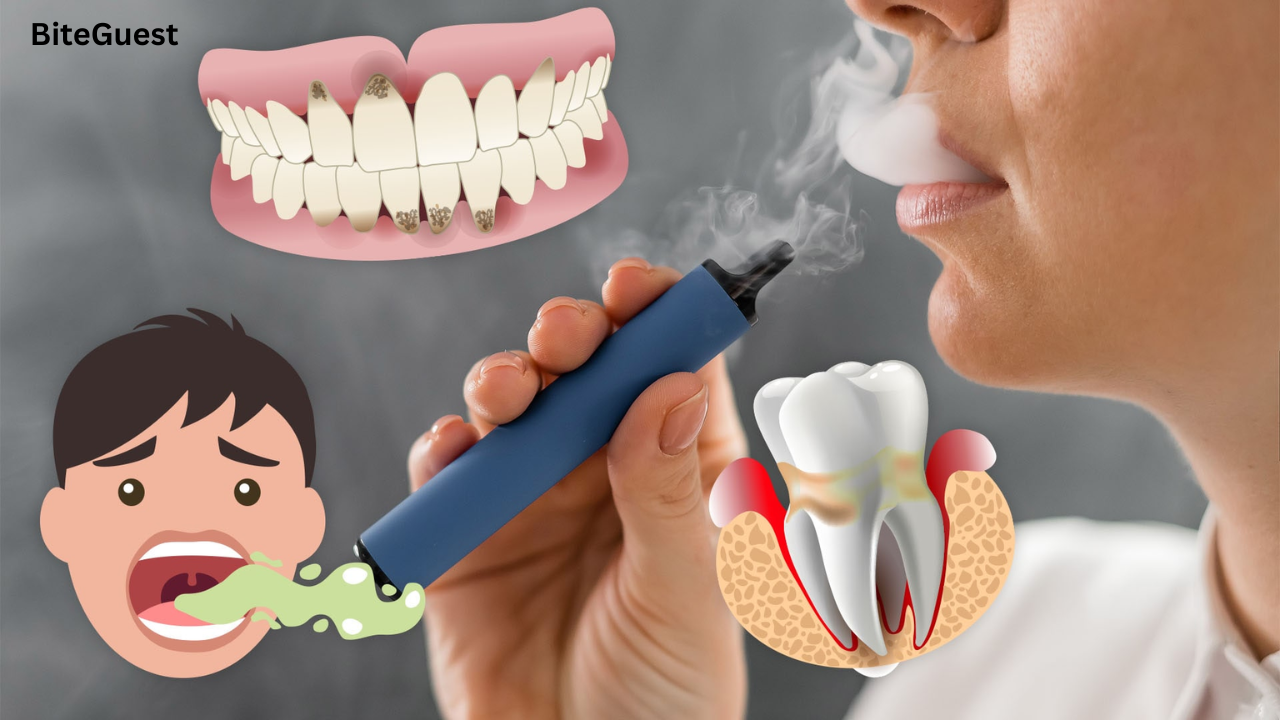
Vaping is perceived as a non-threatening activity by most teenagers, as it is accompanied by a flavored vapor, an eye-catching device, and a social acceptance that is perceived to be less harmful than smoking. However, the vaping habit is still a major threat to oral health. The same situations caused by traditional smoking would happen as the electronic cigarettes consume and use the same chemicals and compounds that would eventually damage the teeth, gums, and the whole oral tissue, leading to very serious and at times, irreversible effects. It is therefore very crucial to know how vaping impacts the oral health of teenagers so that prevention, early detection, and long-term wellness can be achieved.
The article delves into the concealed link between vaping and the dental problems of the youth, elucidation of the processes leading to cavity formation and periodontal disease, along with tips for safeguarding the young people’s precious smiles.
Why Teens Vape and the Impact on Oral Health
Vaping among teenagers has increased drastically in a short period of time. This has been mainly caused by the availability of different flavors, peer pressure, and false beliefs regarding safety. A large number of young people think that if there is no nicotine or if the device is fruity, it is not going to be harmful. The truth is, even the so-called “safe” e-cigarettes have chemicals such as propylene glycol, glycerin, and flavoring agents that can alter the delicate balance of the mouth.
The development of the mouth is still going on during the teenage years: gums are easily affected by hormones, the composition of saliva varies, and oral tissues are more prone to injury. Vaping adds irritants and acids that can make these tissues tender and prone to decay and disease.
Understanding Tooth Decay and Gum Disease
Before the effects of vaping are analyzed, the process of tooth decay and gum disease should be explained first:
- Tooth Decay (Cavities): Bacteria residing in the mouth metabolize sugars taken from different foods and drinks, and, as a by-product, produce acids that attack the enamel of teeth. If the decay goes unattended, it gradually moves down to the dentin and even the pulp, leading to teeth that are sensitive, painful, and possibly infected.
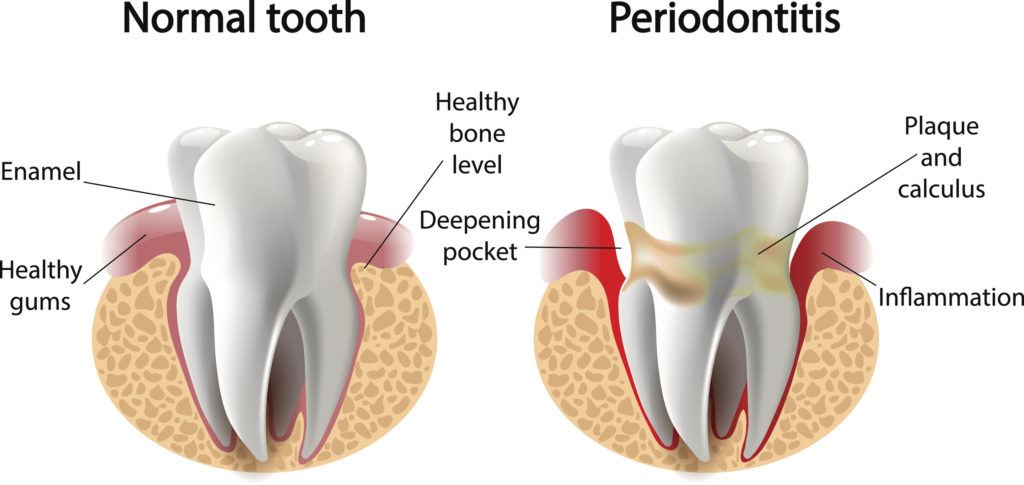
- Gum Disease (Gingivitis and Periodontitis): When destructive bacteria attach to the area of the gumline, the area becomes inflamed. Gingivitis at the early stages occurs in the form of red gums, swelling, and bleeding. This may advance to periodontitis without treatment, resulting in loss of gum, bone loss, and loss of teeth..
Factors like low saliva flow, plaque buildup, weakened enamel, and poor oral hygiene increase susceptibility. Vaping directly worsens these risk factors. Learn more in Vaping May Cause Irreversible Harm to Children’s Health.
How Vaping Harms Teen Oral Health
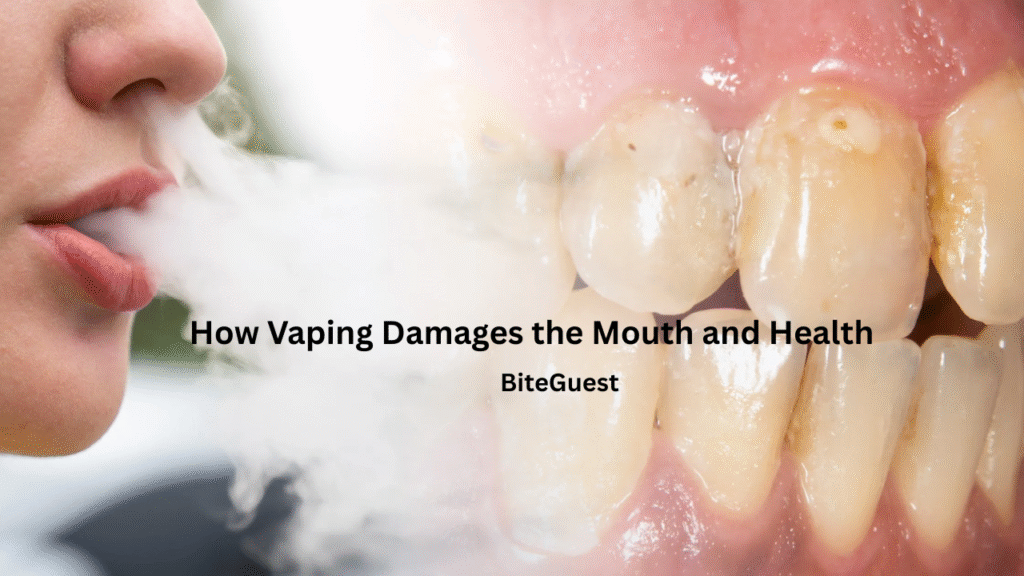
1. Dry Mouth and Reduced Saliva Flow
Saliva is a natural protection of the mouth, and it acts in countering the acids of the mouth, sweeping away the germs, and even in the strength of the enamel. A lot of e-liquids include propylene glycol and glycerin, which suck up moisture and cause chronic dry mouth. A decrease in the salivary stream will enable the acids to remain on the teeth longer and cause a greater risk of cavities and bacterial growth.
2. Exposure to Chemicals and Acids
Vaping results in aerosols that have acids, aldehydes, and other unpleasant chemicals. These substances reduce the PH level in the oral cavity, make enamel soft, and predispose it to tooth decay. Constant exposure deteriorates the enamel and increases the sensitivity of the tooth in the long term.
3. Flavored Vapes and Sticky Residues
The vapes with candy or fruit flavor are especially concerning. Sweet, sticky chemicals attach themselves to the teeth and gums, forming a surface that supports the growth of bacteria. This speeds up the formation of plaque and erosion of enamel, which further facilitates cavities and swelling of the gums.
4. Nicotine’s Effect on Gums
Nicotine causes the limitation of blood flow to tissues of the gums, suppression of oxygen, and nourishment. This compromises the resistance of gums to infections and the healing process. Moreover, nicotine can mask the initial signs of gum disease, such as bleeding, and these teens underestimate the seriousness of the issue.
5. Disruption of the Oral Microbiome
Nicotine causes the limitation of blood flow to the tissues of the gums, suppression of oxygen, and nourishment. This compromises the resistance of gums to infections and the healing process. Moreover, nicotine can mask the initial signs of gum disease, like bleeding, and these teens underestimate the seriousness of the issue.
6. Continuous Exposure and Cumulative Damage
Contrary to the conventional cigarette, which is smoked now and then, vaping can be a constant all day long. Adolescents can repeat puffs and become constantly irritated and dry with chemical exposure. The oral tissues have no time to recover to decrease the chances of permanent damage.
Normal Tooth Decay vs. Vaping-Related Gum Disease
| Feature | Normal Tooth Decay | Vaping-Related Gum Disease |
| Main Cause | Sweet foods cause bacterial growth. | Vaping harms gums and teeth. |
| Affected Area | Tooth enamel and dentin | It releases nicotine and chemicals. |
| Symptoms | Dents, pain in teeth, hot or cold. | Gums become red and swollen. |
| Progression | Starts with enamel erosion. | Bleeding and gum loss can start. |
| Role of Bacteria | Bacteria make acid that harms teeth. | Oral bacteria become unbalanced. |
| Effect on Gums | Mild irritation if untreated | Bad bacteria grow faster. |
| Breath Odor | Caused by decomposing food and bacteria. | Dry mouth makes it worse. |
| Healing Possibility | Early stages can be fixed with fluoride. | Gum tissue starts to break down. |
| Long-Term Effect | Causes loss of teeth in case of not treated. | Teeth may become loose. |
| Prevention | Regular brushing, flossing, and dental check-ups | Avoid vaping and keep your mouth clean |
Visible Signs of Oral Damage in Teen Vapers
Teens who vape may notice early signs of oral damage before it becomes severe:
- Persistent bad breath that doesn’t improve with brushing or mouthwash
- Dry or sticky mouth after vaping sessions
- Red, swollen, or bleeding gums
- White patches or soft spots on teeth indicate enamel erosion
- Increased sensitivity to hot, cold, or sweet foods
- Gum recession, making teeth appear longer
Ignoring these signs can lead to irreversible damage, including tooth and bone loss.
Is Vaping Safer Than Smoking for Teeth?
The opinion prevails that e-cigarettes are less harmful than cigarettes when it comes to the health of the mouth. Even though e-cigarettes are less harmful than traditional cigarettes, they are still **not completely safe**. Vaping exposes users to the acids, sweeteners, and nicotine that dry the mouth, causing bacterial growth, and finally, the death of gums and enamel. It is the adolescent vapers who will be at **greater risk** than smokers because of using them very often, and the addition of flavors.
Why Teens’ Oral Health is Especially Vulnerable
Teenage years mark a unique phase of development for oral health. The changes in hormones would make the gums more sensitive, and the saliva would have a different composition, while on the other hand, orthodontic treatment, such as braces or aligners, would make it more complicated to keep the teeth clean. All this, combined with poor oral hygiene, frequent snacking, and sugary drinks, would make the mouth created by vaping an ideal place for cavities and gum disease.
Long-Term Consequences of Teen Vaping
- Enamel Loss: Once enamel is eroded, it does not regenerate.
- Gum Recession: Exposes tooth roots, leading to sensitivity, pain, and decay.
- Bone Loss: Chronic gum inflammation can damage the jawbone over time.
- Systemic Health Risks: Oral infections may enter the bloodstream, increasing systemic inflammation and other health complications.
Early prevention is crucial to protecting future oral and overall health.
Preventing Tooth Decay and Gum Disease from Vaping
1. Quit or Reduce Vaping
The most efficient preventive measure is to quit. Cutting down or completely ceasing the use of e-cigarettes results in a lesser amount of harmful chemicals, and oral tissues have the chance to heal. Teenagers can get help from medical experts, therapists, or smoking cessation programs.
2. Stay Hydrated
Drinking enough water is good for salivary flow, which in turn neutralizes acids, carries away bacteria, and protects enamel.
3. Maintain Excellent Oral Hygiene
- Brush with fluoride toothpaste for two times a day
- Use mouth rinses that are antibacterial and alcohol-free
- Change toothbrushes regularly
- Clean carefully around braces or dental appliances
4. Avoid Sugary and Acidic Foods
Vaping lowers mouth pH and dries tissues; these limit candy, soda, and acidic foods. A diet rich in calcium, phosphorus, and vitamin D is necessary to have strong teeth and gums.
5. Regular Dental Checkups
Cleanings and exams by professionals help identify damage at an early stage. Besides this, dentists can suggest preventive treatments such as fluoride varnish applications and inform teenagers about the risks or care related to their oral health.
A Teen Example: How Small Habits Lead to Big Damage
Let’s meet Mia, who is 17 years old. At age 15, she began vaping because it helped her fit in with her friends. As time went on, she noticed some changes: her mouth felt drier than before, it was easy for her gums to bleed, and her breath had gone from fresh to rancid. At a dental appointment, X-rays showed early cavities, and when the dentist examined her gums, he noted inflammatory changes to her gums as well. The dentist explained that her enamel had become soft from frequent vaping, and the nicotine use deprived her gums of oxygen.
Mia decided to attempt to reduce her use and then completely quit. Within a few months, her dry mouth improved, her gums healed, and there were no new cavities. Her experience illustrates that damaging a teen’s oral health can occur rapidly, while awareness and response can halt or even reverse some of the impact.
Role of Parents and Educators
Parents and teachers can guide teens by:
- Discussing the long-term effects of vaping on oral health
- Reinforcing the importance of oral hygiene
- Highlighting the costs and pain associated with dental treatments
- Integrating vaping education into school health programs
Clear, factual communication can empower teens to make safer choices.
Conclusion
Vaping has a significant impact on the oral health of teenagers in several ways: dry mouth, less strong enamel, increased harmful bacteria, and decreased blood flow to the gums. These negative changes weaken the natural defenses of the mouth and lead to higher chances of cavities and gum disease.
Vaping is no more than a bad habit—it invites severe, yet avoidable, risks to teeth and gums. Those teenagers who practice prevention today — quitting, drinking a lot of water, and going for dental check-ups— will secure a bright smile and good health in the future.
FAQs
1. Can nicotine-free vaping still cause tooth decay or gum disease?
Yes. The chemicals found in e-liquids can dehydrate the mouth and cause a bacterial infection, even in the absence of nicotine.
2. How soon can vaping affect teeth and gums?
Some symptoms, like dry mouth or bad breath, could begin within weeks. Other changes, such as erosion of enamel or inflammation of the gums, may take months before developing.
3. Can brushing and mouthwash prevent damage from vaping?
Good dental hygiene is helpful; however, medication and chemicals found in vape products can not be entirely defeated. A decrease or cessation of vaping is needed.
4. Are teens more vulnerable than adults?
Yes. Teenagers have developing mouths, their gum tissue is more sensitive to hormones than adults, and teens are less certain about maintaining oral care.
5. What are the early warning signs of vaping-related oral damage?
Dry mouth, bad breath, bleeding gums, sensitivity, and white patches on the teeth indicate early damage to your oral health, which should warrant timely action.