


It may sound simple in theory, but in real life, exercise is usually the first thing people skip when life becomes hectic. A busy lifestyle makes fitness hard because of work pressure, family needs, and stress. However, experts say you can build sustainable fitness even when time feels limited. The key is learning how to stay consistent in a way that feels simple, enjoyable, and flexible.
Many people ask how they can stick to a workout plan or restart it after losing motivation. The truth is that long-term fitness depends more on consistency than perfection. When people create an exercise plan that fits their daily life, it becomes much easier to stay active.
Why Staying Consistent With Workouts Feels Hard
For many adults, the most challenging part is not knowing what to do but having the time and energy to do it. Crazy routines do not give enough time to move daily, and stress decreases the desire to work out every day. Routines can also discourage individuals when they become overwhelming. This is why planned workout organization and adaptable workout frequency plans are significant.
The answer is not to push for long gym workouts, but to create a customized exercise program compatible with real life, not one that is incompatible.
1. Schedule Workouts Like Appointments (Problem: No Time → Solution: Protected Time)

People often skip exercise because they treat it as optional. However, when they schedule workouts the same way they schedule meetings, they build a routine that supports regular activity.
By scheduling workouts in their calendars, individuals stay active even during busy seasons. This simple approach boosts consistency and helps people reach long-term fitness goals.
Actionable Solution:
Do 2-3 meetings per week and develop. Workout planning reduces excuses and helps people keep working out even during the peak times of the year.
2. Keep Workouts Short and Effective (Problem: Long Workouts Feel Impossible → Solution: Mini Workouts)

Many adults believe they must work out for an hour to see results. Yet short sessions can be very practical when time is tight. Breaking your exercise into small workouts throughout the day keeps you active without feeling overwhelmed.
HIIT, circuit training, and short strength workouts target multiple muscle groups quickly and efficiently.
Actionable Solution:
Attempt three 10-minute rapid home exercise routines, or a rapid HIIT workout. These intelligent programs help individuals stay active and maintain fitness in their daily routine.
3. Use Fitness Trackers and Apps (Problem: Low Motivation → Solution: Visible Progress)

Fitness apps help people stay motivated because progress becomes easier to see. Tracking steps, calories, or workouts increases accountability and encourages daily activity.
These apps also support routine building by sending reminders to move or complete scheduled workouts.
Actionable Solution:
Workout apps such as Strava, Apple Fitness Plus, or even barefoot step counters make working out with a busy lifestyle seem possible, particularly with easy workouts that newcomers can do.
4. Prepare Ahead to Reduce Excuses (Problem: Lack of Preparation → Solution: Remove Barriers)
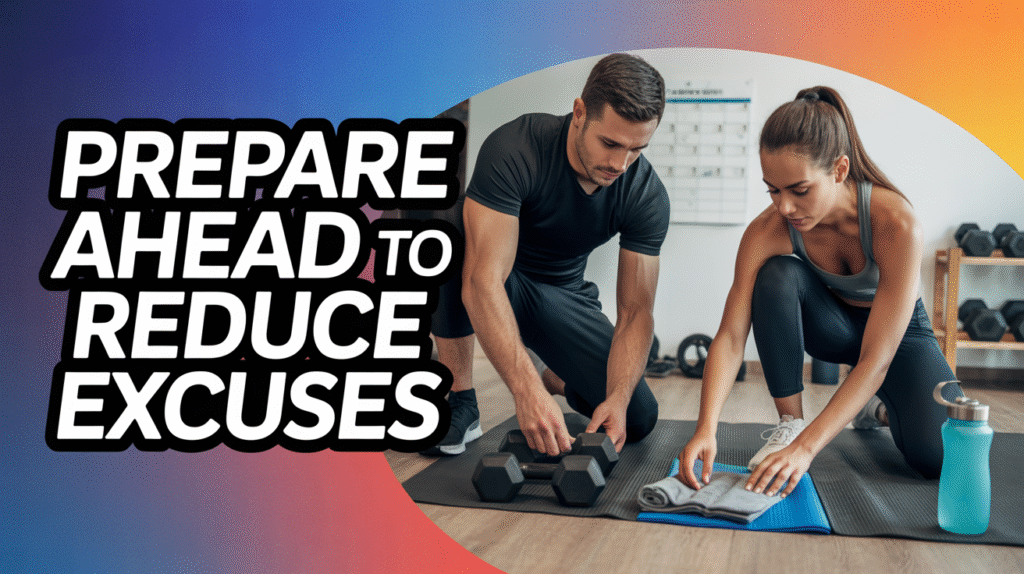
When everything becomes hectic, many individuals desire to work but get tired. Laying out gym attire the previous day, making eating arrangements, or packing a gym bag will help in the formation of workout habits.
This is a basic exercise planning technique that can help relieve stress, save time, and increase the probability of doing it even on a hectic morning.
Actionable Solution:
Pack gym clothes beforehand, or store a spare set in the car or at the office.
5. Find a Workout Buddy or Join Classes (Problem: No Accountability → Solution: Social Support)

Working out alone may lead to missed workouts, whereas being socially connected makes one more motivated to work out. Encouragement, routine, and responsibility can be seen in group fitness classes, workout buddy benefits, and coaching.
This will make people overcome missed workouts and come back even stronger rather than quit.
Actionable Solution:
Find a class or find a partner that shares the desire to live an active lifestyle. Accountability enhances consistency in pursuing fitness perfection.
6. Mix Up the Routine to Avoid Burnout (Problem: Boredom → Solution: Variety & Enjoyment)

Excessive duplication of exercises tires the psyche and increases the risk of burnout. The combination of home and gym training, outdoor activities, and the new training styles makes it fresh and enjoyable.
Diversity also promotes physical activity, enhancing energy, strength, and stress management.
Actionable Solution:
To stay motivated, try walking, biking, yoga, dance classes, or strength training.
7. Prioritize Rest and Flexibility (Problem: Overtraining → Solution: Healthy Balance)

When an individual is straining too hard, they may feel sore, fatigued, or injured. Flexibility and rest days will help individuals maintain regular workouts for extended periods. Listening to your body is very important when working with other individuals who need chronic illnesses exercise support, such as adults who are living with arthritis or diabetes.
The rest of it does not mean you are quitting, but rather that you will be able to maintain an active lifestyle over time.
Actionable Solution:
If you become too busy with life, switch your high-intensity workouts to lower-intensity activities, such as stretching or light walking.
Final Thoughts
The aim in a hectic lifestyle is not to achieve perfection. The aim is to maintain exercise, albeit minimally. Anyone can create a fitness routine for a busy person by focusing on sustainable fitness habits, intelligent scheduling, and realistic expectations.
With the appropriate attitude, a structured workout plan, and accountability systems, individuals can reap the health benefits of regular exercise, including better energy, mental clarity, stress relief, and improved mobility, among others.
Consistency wins every time.
FAQs
How can we exercise while we are busy?
We can keep fit despite being busy by doing short, fast workouts during breaks or incorporating short movement sessions into our everyday routine.
What does the 5×5 workout rule mean?
The 5×5 workout rule is to perform 5 sets of 5 reps of heavy compound exercises to increase strength.
Which muscle is the slowest to grow?
Calf muscles are considered the slowest to grow because they are constantly used and undergo gradual adaptation.
Which is the muscle that can be gained most easily?
The leg and buttock muscles are the ones that can be gained most easily, as they are large and very responsive to exercise.
How many days of rest are required to build muscle?
A rest period of 1-2 days a week is usually required for muscle building and proper body recovery for most people.