


Functional training is a type of exercise that enhances your strength, flexibility, and coordination for activities of daily living. Specifically, functional exercises involve movements that replicate the patterns of a functional task, such as bending, lifting, twisting, and reaching. Functional exercise improves your ability to do activities of daily living with greater efficiency and less risk of injury by focusing on strengthening the muscle groups you use most often.
Functional exercise can be used by nearly any type of fitness population and is highly adaptable to the type and level of fitness. Whether you are putting groceries away, training your kids, or performing household chores, the goal of functional exercise is to enhance your capacity to do it all with less effort by building muscle groups for the activity and improving the mechanics of your body. Traditional exercise focuses on isolating muscle target(s), while functional exercise emphasizes compound movements by using multiple muscle groups at one time naturally.
How Functional Exercise Improves Everyday Tasks
Functional training enhances your physical abilities in various ways, making daily tasks easier to accomplish. The focus is on movements you would do regularly, and it develops not only strength but also coordination and balance. Whether lifting groceries, climbing stairs, or getting up from a chair, it improves strength in the muscles used most often.
Another advantage of functional training is its focus on your own particular needs and abilities. For instance, if lifting something from the ground is a problem for you, you may want to do deadlifts to develop muscles in your back, hips, and legs. For balance and stability, lunges or squats can help improve balance and coordination, thereby mitigating the risk of falling.
These types of exercises also train your body to move efficiently, and they coordinate your muscles to support everyday activities. This leads to a lower chance of injury, in addition to improving your mobility.
Key Functional Training Movements for Daily Life
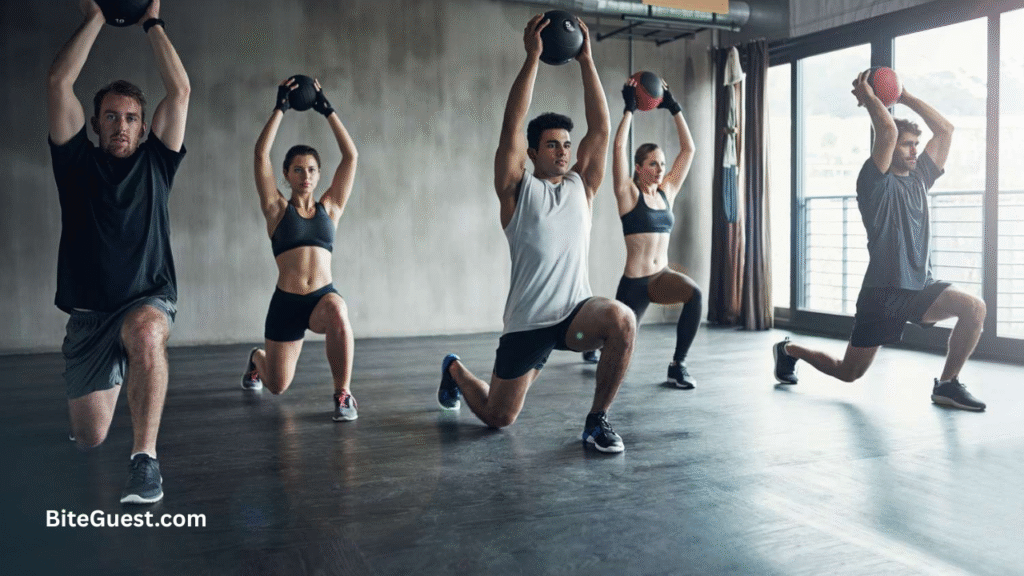
Some movements are essential for functional exercise because they are actions you perform in your daily life. These are some examples of functional exercises: squats, lunges, push-ups, and rotational movements. They each engage a different muscle group and address common functional tasks beneficial for everyday activities:
1. Squats:
Squats mimic the motion of sitting down and then standing up, which is something we all do several times a day. Squats work your quadriceps, hamstrings, and glutes, enabling you to get in and out of a car and stand up from a chair with ease.
2. Lunges:
Lunges focus on lower-body strength while also improving coordination. They are very valuable for walking, climbing stairs, or picking something up off the ground without straining your back.
3. Push-ups:
Push-ups help build your upper body strength. They work your chest, arms, and shoulders, making daily tasks easier. This strength helps you push doors, lift heavy things, or even shovel snow with less effort.
4. Rotational Movements:
Movements such as Russian twists develop core strength and mobility in the spine, which is a standard action we take when twisting to reach for something behind us, or turning while carrying a heavy object.
For more exercises and trends to improve your health, see Best Health and Fitness Trends 2026.
Why Functional Training Is Essential for Health
Functional training is essential for your health because it considers both the strength and the flexibility necessary to live your day-to-day life. If you improve these areas, you can improve both your quality of life and life expectancy. Training will also provide you with the following benefits:
- Improved Posture: Many functional movements, such as planks or squats, focus on strengthening the muscles responsible for maintaining good posture and can help alleviate back pain and stiffness.
- Injury Prevention: Training muscles to work together in functional, natural movement patterns helps reduce the progression of overuse injuries and can also aid in the recovery from sprains and strains.
- Increased Mobility: Functional exercises will enhance the range of motion, allowing you to bend, twist, and stretch more easily in your daily tasks.
- Increased Strength: Functional training enhances muscular endurance and strength, making tasks such as lifting, carrying, or moving furniture easier.
- Increased Balance and Stability: Functional exercises often include movements that challenge balance to prevent falls and may increase overall body stability.
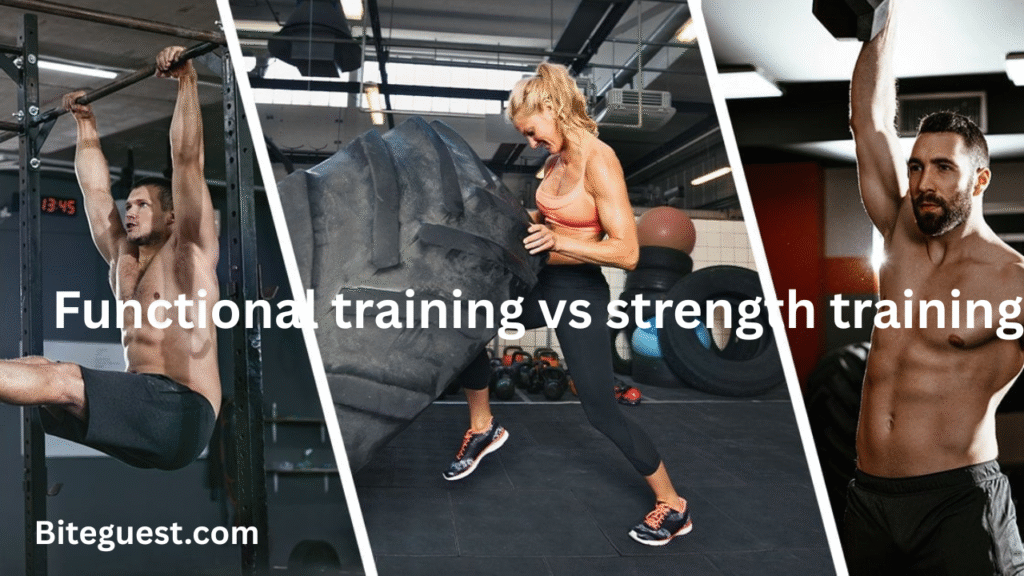
What is better, functional training or strength training?
| Feature | Functional Training | Strength Training |
| Main Focus | Exercises that copy daily movements | Exercises to make muscles bigger and stronger |
| Daily Life Benefits | Helps with tasks like lifting, bending, and reaching | May not improve daily life tasks as much |
| Muscle Use | Works many muscles together | Often targets one or two muscles at a time |
| Balance & Coordination | Improves balance and coordination | Less focus on balance and coordination |
| Risk of Injury | Reduces risk by training natural movements | Can increase risk if done incorrectly |
| Best For | Better performance in everyday life | Building muscle size and strength |
The Top Benefits of Working Out After 50
Working out after the age of 50 offers numerous physical and mental health benefits. Regular exercise helps improve cardiovascular health, increase bone density, and enhance flexibility, which is crucial as the body naturally loses muscle mass and bone strength with age.
It also promotes weight management, reducing the risk of obesity-related diseases like diabetes and heart disease. Moreover, strength training can boost metabolism, which naturally slows down as we age.
Beyond the physical benefits, working out after the age of 50 has a profoundly positive impact on mental well-being. Exercise helps reduce stress, anxiety, and symptoms of depression by releasing endorphins, which are natural mood lifters.
It also sharpens cognitive function, improving memory and focus. Staying active enhances independence and quality of life, allowing individuals to maintain an active lifestyle, engage in hobbies, and stay socially connected.
Getting Started with Functional Training at Home
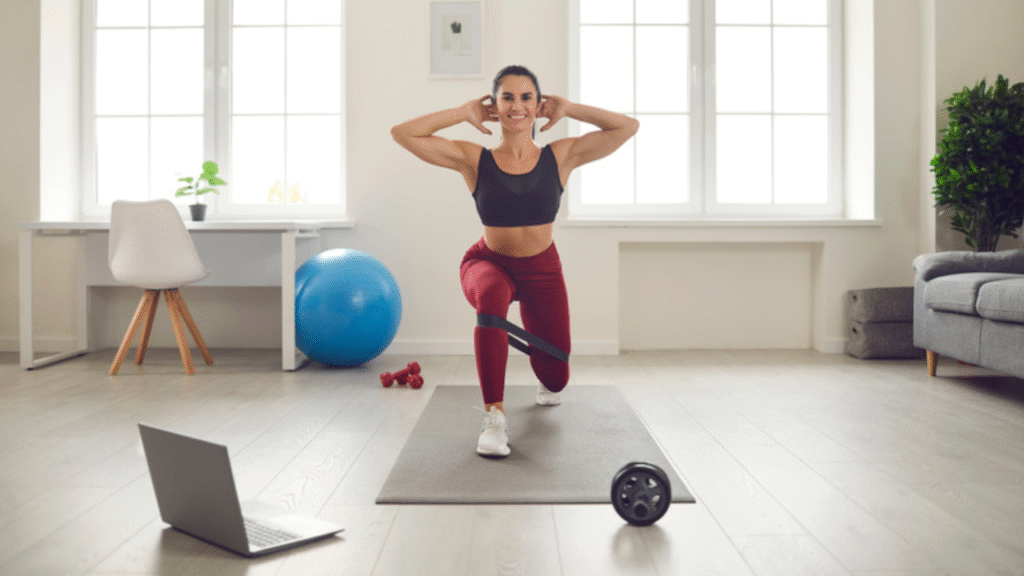
You don’t have to join a gym to get started on functional exercise. Many functional exercises can be easily done at home. Here’s how to start working on functional exercises:
1. Start with Bodyweight Exercises
Begin with easy exercises, such as squats, lunges, push-ups, and planks. Focus on doing them correctly. Your bodyweight is often all you need to build strength and coordination.
2. Add Resistance Gradually
Once you’re comfortable, you can add dumbbells, kettlebells, or resistance bands. These tools help you build more muscle and improve endurance.
3, Do Full-Body Movements
Exercises like kettlebell swings or medicine ball slams target multiple muscles at once. These are great for improving power and functional strength.
4, Set a Routine
Aim to train two to three times a week. As you get stronger, increase the intensity slowly. Listen to your body and rest when needed to avoid overtraining.
How Functional Training Enhances Flexibility and Mobility
Mobility and flexibility are essential for completing common tasks, such as bending down to tie your shoes or reaching for an item on a high shelf. In this training, the stretches and exercises provided are designed to enhance both flexibility and strength, promoting mobility.
For example, lunges and dynamic stretching can help improve your flexibility in your hips and legs, which in turn can aid tasks such as squatting down to pick something up. Exercise for your shoulders and back, such as overhead presses, will help increase mobility to reach overhead to grab or lift an item.
Including flexibility and mobility exercises in your routine will increase your functional capabilities, while also reducing stiffness, allowing you to feel less taxed when performing activities of daily living.
The Mental and Emotional Benefits
While functional exercise is frequently acknowledged for its benefits related to physical improvements, its effect on mental and emotional well-being also has positive benefits. As you gain strength and endurance through functional exercise, you may develop confidence in your physical abilities, leading to a sense of independence and empowerment. Moreover, it is well known that physical activity produces endorphin hormones and reduces stress, anxiety, and depression.
This type of training can also improve motivation and create strong habits. The mental satisfaction of becoming stronger and capable in activities of your daily living is also a contributor to improved well-being.
FAQs
1. What is functional training good for?
This training is an effective way to positively develop various fitness factors, including strength, power, balance, and mobility. Moreover, creating your fitness in these areas will enhance your efficiency with daily tasks and decrease your risk of injury while performing them.
2. How frequently should I engage in functional exercise?
Two to three days a week of functional training is recommended since this allows you to develop strength and endurance without overloading your muscles.
3. Can I do functional exercise at home?
Yes! This type of training can be easily done at home using bodyweight exercises/or dumbbells, resistance bands, or even items you have around your house.
4. Do I need to buy special equipment for a functional workout?
You don’t need to buy special equipment to start a functional workout. However, many effective exercises can work for this type of workout and lead to great success, and are easy to do with just your bodyweight, which many people can do, enjoying the ease of the workout in this way.
5. Is a functional workout attainable for beginners?
Yes, the functional workout can be successful for beginners! Exercises can be modified to match your fitness level and then progressed as you develop strength and coordination.
Conclusion
Exercises that emphasize function aim to enhance strength, coordination, and movement by replicating the natural movements we make in everyday life. This type of training makes it easier to perform everyday activities, such as lifting, bending, and reaching, while decreasing the risk of injury. Functional exercises can be performed at home or in the gym, targeting multiple muscle groups simultaneously and allowing your body to build strength and function in a balanced manner.
Adding functional exercises to your program can lead to improved posture, increased flexibility, and improved endurance. You will gain confidence in your everyday activities and experience empowerment as you strengthen the muscles necessary for daily function. Begin with simple exercises that use only your body weight, and gradually progress to exercises that incorporate load or resistance.