

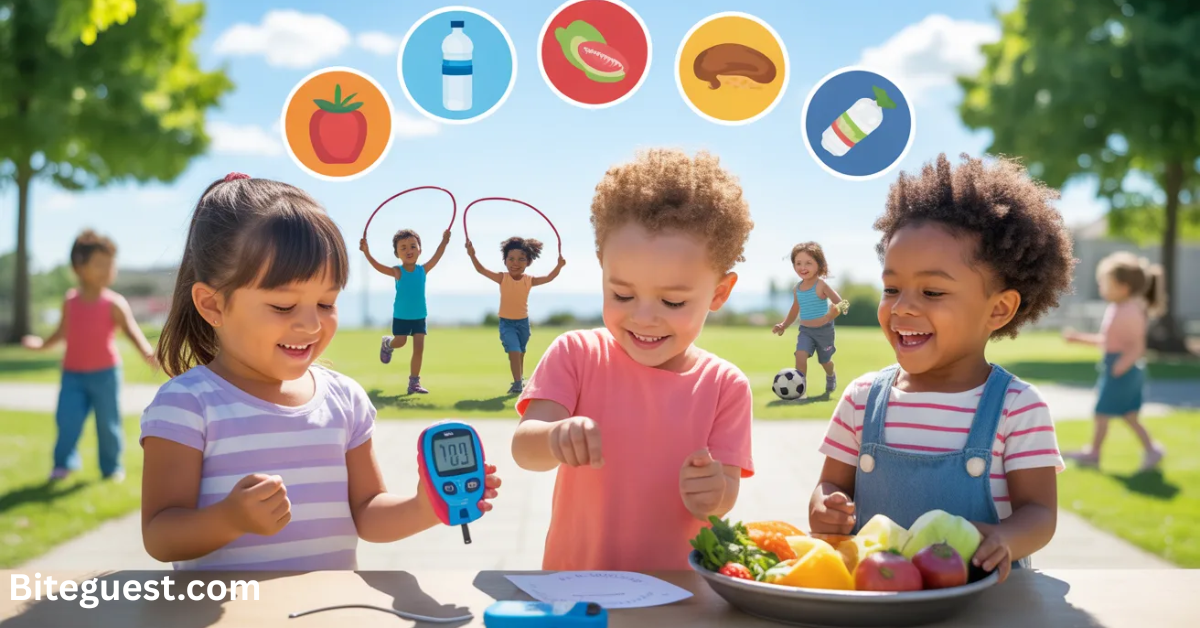
Watching your child navigate type 2 diabetes can feel overwhelming. Many parents worry about meals, school, and daily routines. The good news is that with today’s advancements and simple strategies, children can lead active, happy lives while managing their condition.
Type 2 diabetes was once considered an adult disease. Now, pediatric cases are rising, with the CDC reporting a 4.8% annual increase. Modern approaches have transformed care from strict restriction to empowerment. This guide offers easy, sustainable ways for children to manage type 2 diabetes while still enjoying their childhood.
What Is Type 2 Diabetes in Children?
Type 2 diabetes happens when the body does not use insulin properly. Insulin helps move sugar from the blood into cells for energy. When insulin does not work well, blood sugar levels rise.
In children, this condition often develops slowly. Many children may not show clear symptoms at first. Over time, high blood sugar can affect energy, mood, weight, and overall health. Early diagnosis and daily healthy habits make a big difference. With the right care, children can control blood sugar and avoid future complications.
The Good News: More Tools Than Ever Before
In 2026, diabetes care is more child-friendly than ever.
- Many children now use continuous glucose monitors (CGMs) instead of finger pricks.
- Smart devices and apps help parents easily track patterns.
- Telehealth allows families to connect with doctors from home.
Modern care focuses on teamwork. Parents, children, doctors, teachers, and caregivers all work together to support the child.
Section 1: Nutrition Made Simple (Not Restrictive)
Healthy Eating Without Fear
Food is often the biggest worry for parents. Many think children with diabetes must stop eating their favorite foods. This is not true. Healthy eating is about balance, not punishment. Children should learn how food affects their energy and blood sugar, not feel guilty about eating. A flexible approach works best.
A flexible approach works best. Parents looking for practical ideas can also refer to 15 Proven Ways to Control Blood Sugar for simple, family-friendly nutrition tips.
How the Healthy Plate Works
The Healthy Plate Method is easy for children to understand. It does not require counting calories or carbs.
Healthy Plate Guide:
- ½ plate: Colorful vegetables (spinach, carrots, broccoli, peppers)
- ¼ plate: Lean protein (chicken, eggs, fish, beans, lentils)
- ¼ plate: Whole grains (brown rice, whole wheat bread, oats)
- Side: Fruit or dairy (apple, yogurt, milk)
This method helps control portions naturally. It also keeps meals colorful and fun.
Pro Tip: Divided plates or silicone separators make this easier for young children.
Smart Food Swaps Children Enjoy
Small food changes can improve blood sugar without stress.
| Instead of | Try This | Why It Helps |
| White bread | Whole-grain bread with seeds | More fiber helps slow down the rise of sugar |
| Fruit juice | Whole fruit with water | Less sugar spike and more fiber |
| Sugary cereal | Oats with berries | Gives long-lasting energy and better blood sugar control |
| Chips | Baked veggie chips or nuts | Better nutrients and improved sugar control |
Getting Children Involved With Food
Children are more likely to eat healthily when they feel included.
Simple ideas:
- Play a game at the grocery store: “Find three green vegetables.”
- Let your child choose one healthy dinner each week
- Cook together on weekends
- Allow kids to help wash vegetables or mix ingredients
These small steps build lifelong habits.
Section 2: Physical Activity as Play (Not Exercise)

Physical activity helps children control blood sugar and stay strong. It does not need to feel like hard exercise or training. Simple play like running, dancing, or riding a bike works very well. When movement is fun, children are more active and happy every day.
The 60-Minute Rule Made Easy
Health experts recommend about 60 minutes of movement per day. This does not need to happen all at once.
Fun ways to reach 60 minutes:
- Dancing to music at home
- Playing football, cricket, or tag
- Family walks after dinner
- Bike rides or swimming
Short activity sessions throughout the day work just as well.
Using Technology to Encourage Movement
Many children love technology. Use it in a positive way.
Helpful tools include:
- Active video games like dance or sports games
- Step counters or smart watches
- Family fitness apps with challenges and rewards
Gamifying movement makes kids excited to stay active.
Reducing Screen Time Naturally
Reducing screen time works best when it feels natural, not forced. Encourage children to play outside, walk, or help at home before using TV or mobile devices. This helps create a healthy daily routine without arguments.
Short activity breaks during screen time also make a big difference. Simple movements like stretching, jumping, or walking for a few minutes keep the body active and help control blood sugar levels.
Section 3: Stress-Free Blood Sugar Monitoring

Modern Monitoring Options
Blood sugar monitoring has become easier and less stressful. CGMs are widely used in 2026. They provide:
- Pain-free: Most children report minimal discomfort
- Real-time data: Alerts before highs/lows occur
- Child-friendly apps: Colorful displays, achievement badges
- Shareable data: Parents can monitor remotely
Making Monitoring a Positive Habit
Children should not be scared to check their sugar.
Helpful tips:
- Pair checking with a positive activity
- Praise effort, not numbers
- Let the child help scan or check readings
Focus on routine, not perfection. Understanding patterns is more important than one-off numbers.
Section 4: Emotional Wellness and Mental Health

Why Emotional Support Matters
Type 2 diabetes affects more than just the body. It can also impact a child’s feelings, confidence, and self-esteem. Children need emotional support to feel safe and understood while managing their condition.
Many children may feel different from their friends. They can feel angry, sad, or even embarrassed at times. Giving love, patience, and encouragement is just as important as medicine or diet.
Age-Appropriate Diabetes Education
Children understand health differently at each age.
- Ages 5–8: Simple explanations about food and energy
- Ages 9–12: How habits affect blood sugar
- Teens: Independence, decision-making, and future health
Use simple language and encourage questions.
Family Support Makes a Big Difference
When the whole family eats healthy and stays active, children feel supported.
Helpful family habits:
- Eat the same meals together
- Go on family walks
- Talk openly without blame
Children learn best by example.
Section 5: School and Social Life
Creating a School Diabetes Plan
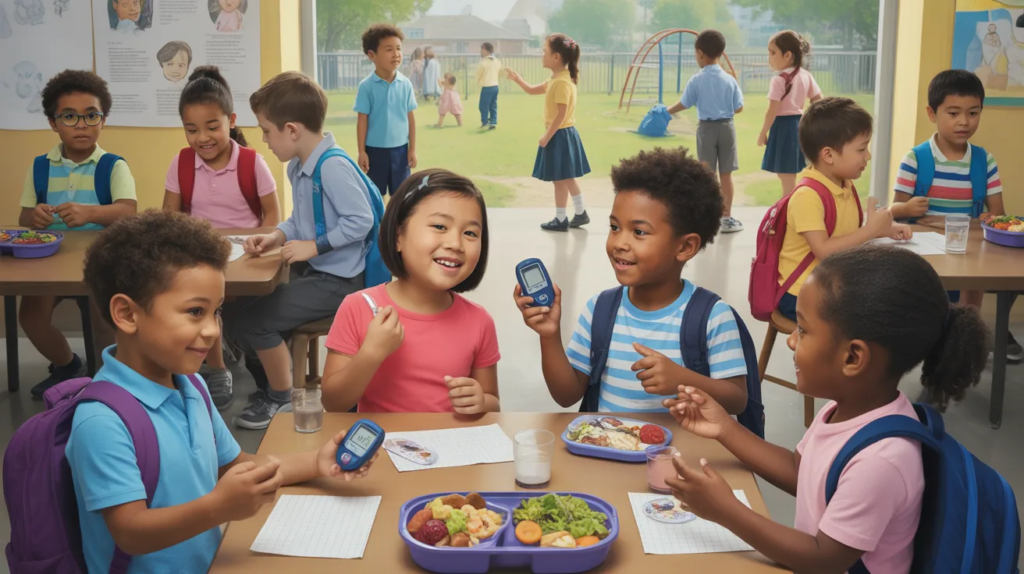
Work with teachers and school staff to create a clear plan.
1. Medical needs: When/how to check glucose, emergency contacts
2. Nutrition: Lunch options, snack policies
3. Activity: Support during PE or sports
This keeps your child safe and confident at school.
Managing Parties and Special Events
Children with type 2 diabetes should still enjoy parties and celebrations. Let them eat a healthy meal before going to reduce sugar spikes. Allow small portions of treats instead of saying no. Encourage games, dancing, and fun activities so the focus stays on enjoyment, not food.
Helping Children Talk to Friends
Teach simple explanations:
- “My body handles sugar differently.”
- “I need to check my levels sometimes”
Most children are curious and supportive when they understand
Real Success Story: Maya’s Journey
Maya was diagnosed with type 2 diabetes at age seven. At first, her family felt scared and confused.
They started with small changes:
- Family cooking nights
- Weekly adventure walks
- CGM monitoring with shared data
- Positive language and encouragement
After six months, Maya’s A1C improved. She had more energy and felt proud of her ability to manage her health.
Her story shows that simple steps work.
Conclusion
Managing type 2 diabetes in children is easier when families focus on small, healthy habits instead of strict rules. With balanced meals, fun physical activity, and emotional support, children can control blood sugar while enjoying daily life.
Every child’s journey is different, and progress may take time. With patience, love, and the right guidance, children can grow up confident, active, and healthy while successfully managing type 2 diabetes.
FAQS
How to Control Type 2 Diabetes in Kids
Type 2 diabetes in kids can be controlled with healthy food, daily physical activity, regular blood sugar checks, and emotional support. Family involvement and routine habits play a big role in long-term control.
What Are the 4 P’s of Diabetes?
The 4 P’s are Polyuria (frequent urination), Polydipsia (increased thirst), Polyphagia (increased hunger), and unexplained weight loss. These are common warning signs of diabetes in children.
What Are the 4 T’s of Diabetes in Children?
The 4 T’s include Toilet (frequent urination), Thirsty (excess thirst), Tired (low energy), and Thinner (weight loss). These signs often appear early and should not be ignored.
What Are the 5 M’s of Diabetes Management?
The 5 M’s are Meals, Movement, Monitoring, Medication, and Mental health. Together, they help children manage blood sugar and stay healthy every day.
What Are the 4 C’s of Diabetes?
The 4 C’s stand for Control, Consistency, Care, and Confidence. These focus on steady habits, proper support, and helping children feel confident while managing diabetes.