

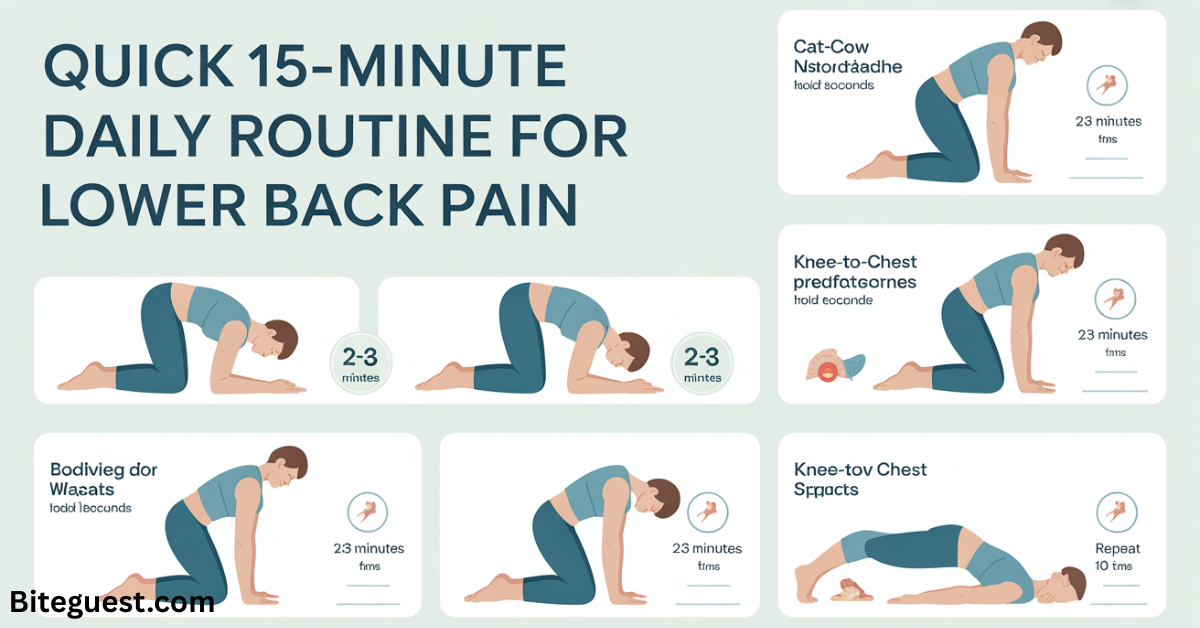
Lower back pain is one of the most common problems that many people face every day. Sitting for long hours, lifting heavy objects, poor posture, or prior injuries can cause lower back pain. Fortunately, a simple daily exercise routine can help reduce pain, strengthen your muscles, and improve flexibility. You don’t need hours at the gym—just 15 minutes a day can make a difference.
This article will guide you through a 15-minute routine for lower back pain that is safe, effective, and easy to do at home. Whether you are dealing with occasional discomfort or chronic stiffness, these exercises can help improve your overall health and fitness.
Why Lower Back Pain Is So Common Today
Lower back pain has become more common because of modern lifestyles. Many people spend most of their day sitting, looking down at screens, or not moving enough.
Some common reasons people experience lower back pain include:
- Sitting for long hours without breaks
- Poor posture while working or using a phone
- Weak core and back muscles
- Sudden movements or lifting heavy objects
- Stress and muscle tension
When the muscles that support your spine become weak or stiff, your lower back has to work harder. Over time, this leads to pain and discomfort.
Benefits of Back Pain 15-Minute Daily Exercise
Many people say they do not have time. But 15 minutes is enough if exercises are done correctly.
Here are three key benefits of daily home exercises:
- Pain relief: Gentle movements relax tight muscles and reduce pain
- Better mobility: Exercises improve movement and flexibility
- Long-term protection: Strong muscles protect the spine from future injury
Consistency is more important than intensity.
Before You Start: Safety Tips
Before beginning, follow these simple safety rules: wear comfortable clothing, use a yoga mat or soft floor, breathe normally, move slowly, and stop if you feel sharp pain. If you have a medical condition or have recently had surgery, consult your doctor first.
For additional advice on preventing or relieving pain, see How to Treat Lower Left Side Back Pain.
Main Home Exercises for Lower Back Pain (10 Minutes)
These exercises focus on stretching tight muscles and strengthening weak ones. Take your time and breathe normally.
Exercise 1: Knee-to-Chest Stretch
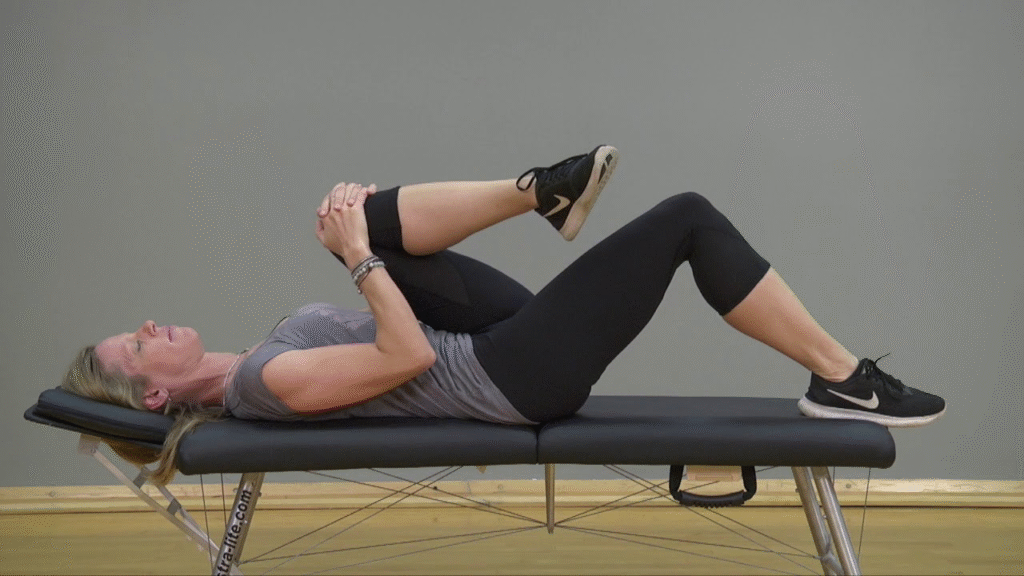
- Lie on your back with knees bent and feet flat on the floor.
- Pull one knee toward your chest using your hands. Tighten your belly muscles and press your spine gently into the floor.
- Hold for 5 seconds, switch legs, and repeat.
- Repeat with both legs at the same time.
Benefits:
- Relieves tension in the lower back.
- Stretches spinal muscles for better mobility.
Extra Tips: Perform 2–3 repetitions on each side. Move slowly and gently.
Exercise 2: Lower Back Rotational Stretch
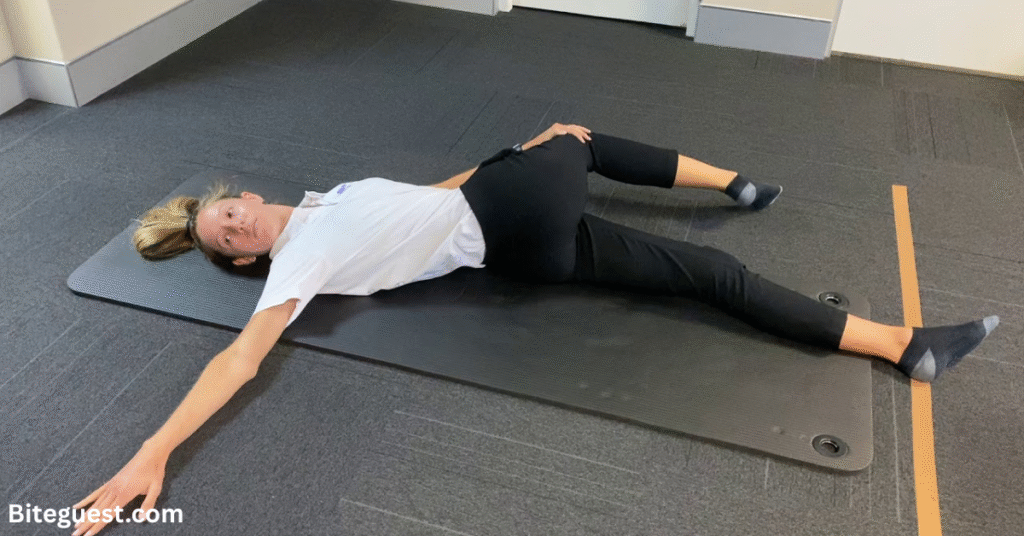
- Lie on your back, knees bent, feet flat on the floor.
- Slowly roll your knees to one side, keeping your shoulders on the floor.
- Hold 5–10 seconds, return to center, then roll to the other side.
Benefits:
- Improves spinal rotation and flexibility.
- Reduces stiffness in the lower back.
Extra Tips: Repeat 2–3 times per side, and breathe deeply.
Exercise 3: Lower Back Flexibility Exercise
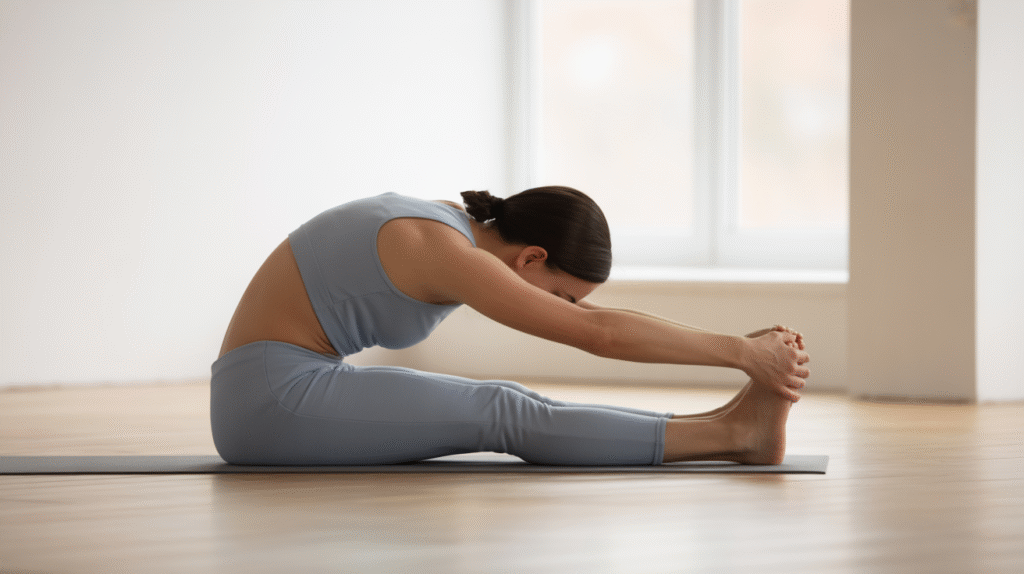
- Lie on your back with knees bent and feet flat.
- Tighten your belly to lift your lower back slightly off the floor. Hold for 5 seconds.
- Flatten your back by pulling your bellybutton toward the floor. Hold 5 seconds.
- Repeat 5–10 times, increasing gradually over time.
Benefits:
- Strengthens lower back muscles.
- Increases spinal flexibility and range of motion.
Extra Tips: Focus on slow, controlled movements. Avoid straining your neck or shoulders.
Exercise 4: Bridge Exercise
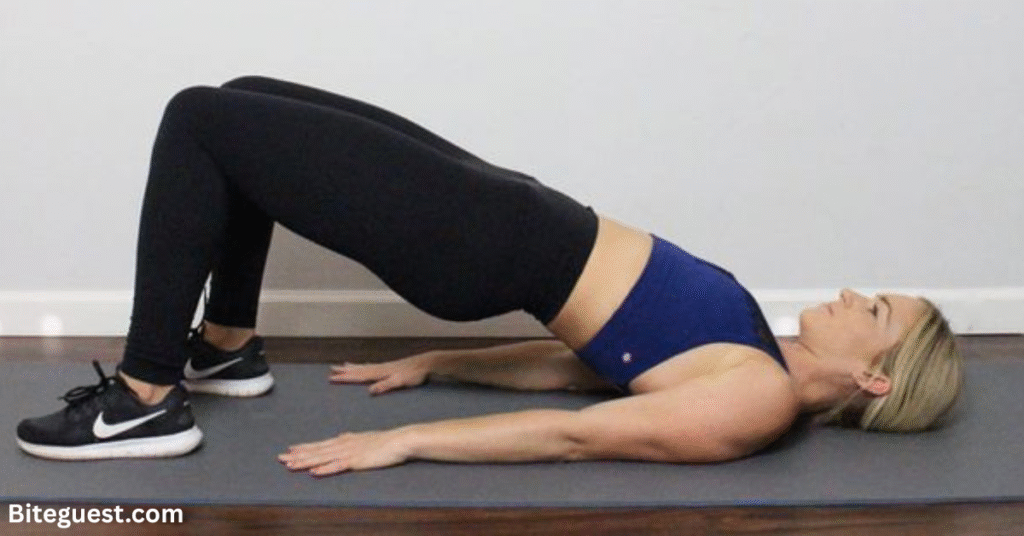
The bridge exercise is excellent for strengthening the glutes, core, and lower back muscles. Lie on your back with knees bent and feet flat on the floor. Keep your shoulders and head relaxed. Tighten your abdominal and glute muscles, then lift your hips to form a straight line from your shoulders to your knees. Hold for three deep breaths, then lower back down.
This exercise helps stabilize the spine and supports proper posture. Strong glutes reduce strain on the lower back, which is essential if you suffer from Lower Left Side Back Pain or general stiffness. Practicing the bridge regularly enhances core strength and protects against future injuries.
Exercise 5: Cat-Cow Stretch
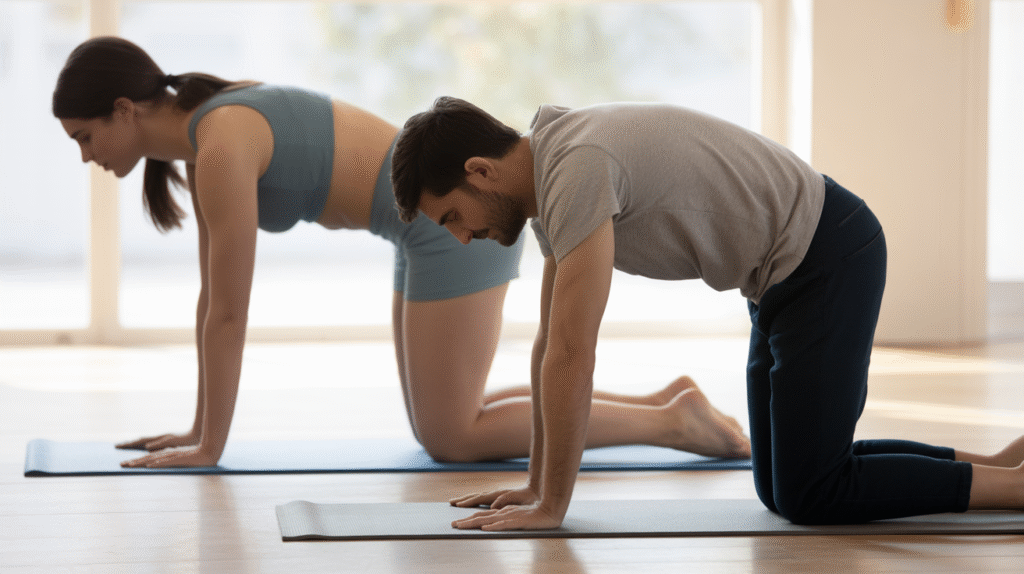
Start on your hands and knees. Round your back while tucking your head down, then let your back sag while lifting your head and chest. Repeat 3–5 times.
This stretch improves spinal flexibility and relieves tension in lower back muscles. For women experiencing lower left back pain, this movement provides noticeable relief.
Exercise 6: Seated Lower Back Rotational Stretch
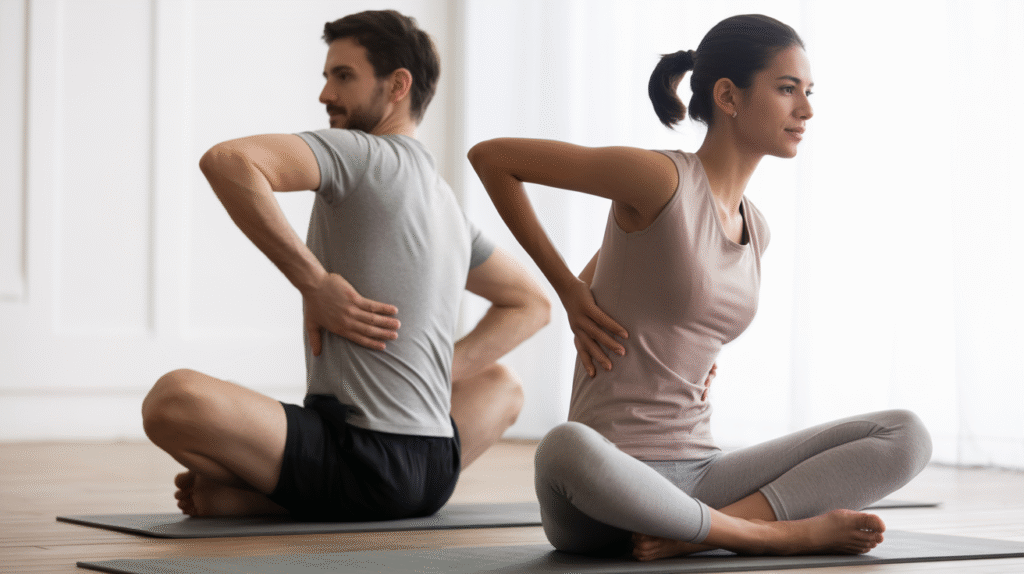
- Sit on a chair or stool.
- Cross your right leg over the left and twist your torso to the side using your elbow for support.
- Hold 10 seconds, then switch sides.
- Repeat 3–5 times per side.
Benefits:
- Stretches oblique muscles.
- Reduces lower left side back pain and improves rotation.
Extra Tips: Keep your shoulders relaxed. Maintain a straight back throughout the twist.
Exercise 7: Shoulder Blade Squeeze

- Sit upright on a chair, back straight.
- Pull your shoulder blades together and hold for 5 seconds.
- Relax and repeat 5–10 times.
Benefits:
- Strengthens upper back muscles.
- Improves posture, reducing strain on the lower back.
Extra Tips: Keep your neck relaxed to avoid tension. Do this exercise twice a day for the best results.
Tips for Maximum Effect
- Perform the routine daily for 15 minutes.
- Combine exercises with gentle walking throughout the day.
- Maintain good posture while sitting, standing, and lifting.
- Use a firm mattress for proper spinal support.
- Avoid heavy lifting or twisting movements that strain the back.
Additional Lifestyle Tips:
- Maintain a healthy weight to reduce pressure on the spine.
- Wear shoes with proper support to prevent back pain.
- Strengthen your core muscles with simple exercises.
- Take short breaks from sitting or standing too long.
Cool-Down and Relaxation (2 Minutes)
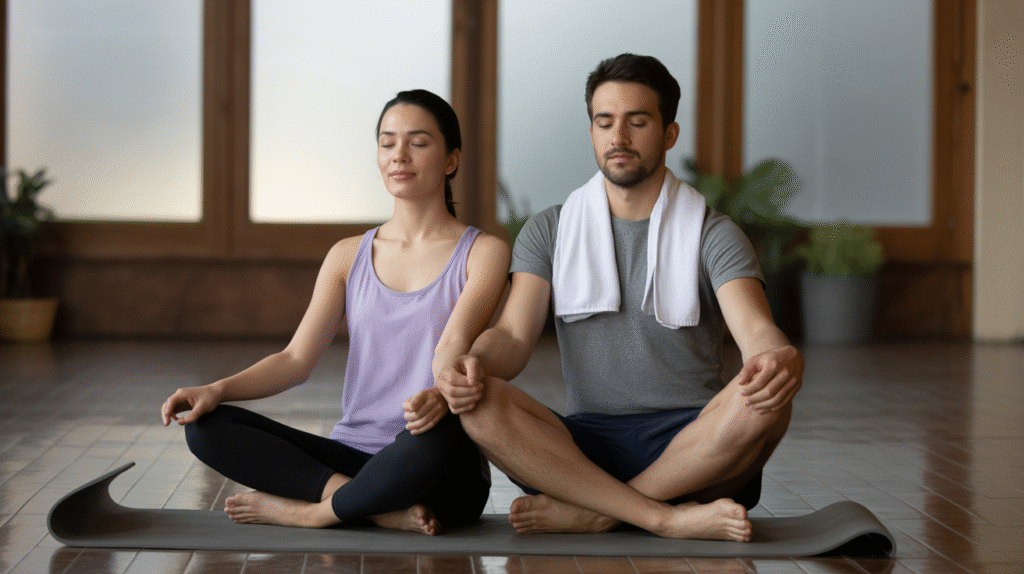
After exercising, it is essential to let your body relax.
Lie on your back, close your eyes, and take slow, deep breaths. Let your muscles soften and release any remaining tension.
How Often Should You Do This Routine?
For best results, try to do this routine:
- Once every day
- At the same time each day
- Without skipping too many days
Most people start to feel improvement within two to four weeks. The more consistent you are, the better the results.
Daily Habits That Support a Healthy Lower Back
Exercise works best when combined with healthy daily habits.
Here are three essential habits to support your lower back:
- Good posture: Sit and stand with your back straight and shoulders relaxed
- Regular movement: Avoid sitting for long periods without breaks
- Proper sleep position: Sleep on your back or side with good support
Small changes in daily life can make a big difference over time.
Common Mistakes to Avoid
Even simple exercises can cause problems if done incorrectly. Avoid rushing through movements. Do not hold your breath. Never push through sharp pain. Always focus on slow, controlled movement.
Who Can Benefit From This Routine?
This quick daily routine is suitable for:
- Office workers
- Students
- Seniors
- Beginners
- People with mild to moderate lower back pain
It is designed to be gentle and safe for most people.
When You Should Seek Medical Advice
Exercise is helpful, but it is not always enough on its own.
You should consult a healthcare professional if:
- Pain lasts longer than six weeks
- Pain becomes severe or constant.
- Pain spreads to your legs.
- You feel numbness or weakness.s
Getting advice early can help prevent serious issues.
Long-Term Benefits of a Daily Back Routine
A consistent daily routine provides more than just immediate pain relief. Over time, you may notice better posture, improved flexibility, stronger core muscles, better sleep, less stiffness, and more confidence in movement. These small daily efforts add up to long-term spine health and reduced risk of recurring back pain.
Final Thoughts
Lower back pain does not have to control your life. A quick 15-minute daily routine for lower back pain can help you move more comfortably, strengthen your muscles, and protect your spine. With consistency and patience, these exercises, combined with good posture and healthy habits, will improve your quality of life.
Start today, move gently, and stay consistent. Your lower back will thank you. Remember, addressing pain early, especially in women with Lower Left Back Pain Causes in Females, or anyone experiencing Lower Left Side Back Pain, is key to maintaining long-term health and mobility. Incorporate this routine into your daily life and enjoy a stronger, healthier back.
FAQS
What is the best exercise for lower back pain at home?
Gentle stretches like the knee-to-chest, cat-cow, and bridge exercises are the most effective for relieving lower back pain at home.
What are the big 3 exercises for lower back pain?
The three main exercises are pelvic tilts, bridge exercises, and knee-to-chest stretches, as they strengthen core muscles and improve spinal flexibility.
What are the top 3 exercises for back pain?
The knee-to-chest stretch, cat-cow stretch, and bridge exercise are among the most recommended exercises for reducing back pain and improving mobility.
How to tell if lower back pain is muscle or disc?
Muscle pain usually feels dull and improves with rest, while disc-related pain may radiate down the leg, cause numbness, or worsen with bending or lifting.
What causes lower back pain just above the buttocks?
Muscle strain, poor posture, sacroiliac joint issues, or spinal problems such as a herniated disc often cause pain in this area.