

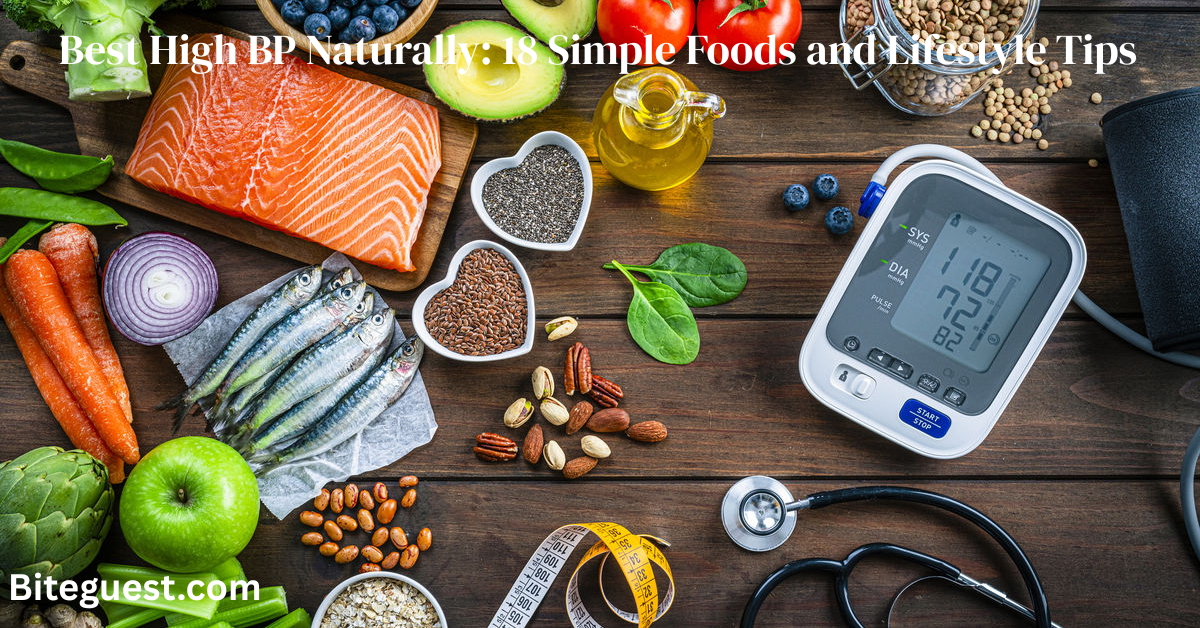
High blood pressure is a silent killer that harms many people around the world. If not controlled, it can cause heart disease, stroke, and kidney problems. The good news is that you can lower your blood pressure naturally without medication. By making small changes in your food and daily habits, you can keep your blood pressure healthy. This guide shares the best foods, easy natural remedies, and simple lifestyle tips to help control high blood pressure.
Here you will learn 18 easy ways to manage blood pressure and keep your heart strong and healthy:
1. Incorporate Citrus Fruits into Your Foods
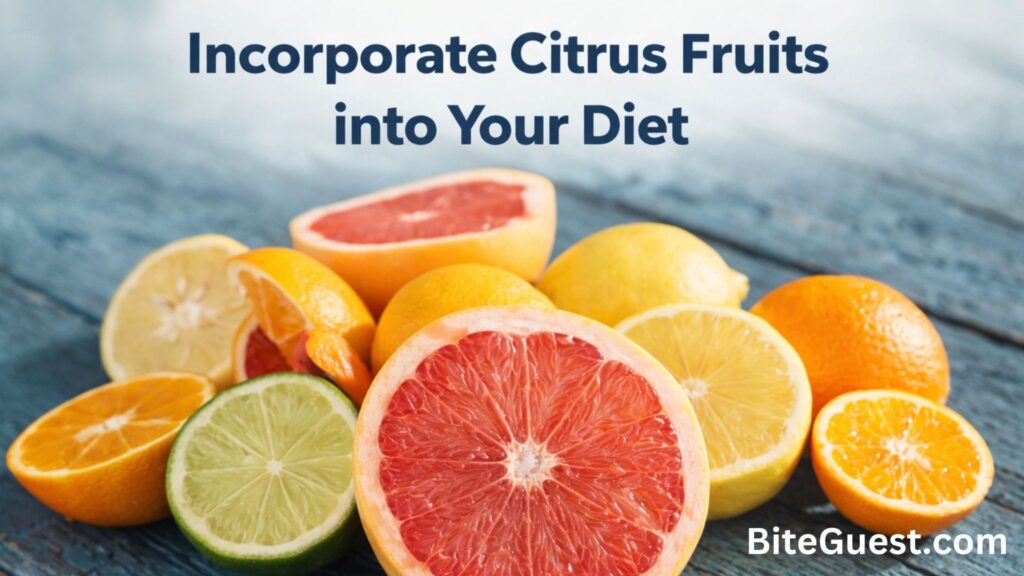
Citrus fruits such as oranges, lemons, grapefruits, and limes are excellent for people with high blood pressure. They are rich in vitamin C, antioxidants, and natural plant compounds that support healthy blood vessels. These nutrients help relax blood vessels and improve blood flow, which lowers blood pressure naturally.
Drinking fresh lemon water in the morning or eating an orange as a snack can be a simple habit with big benefits. Studies show that regular intake of citrus fruits may help reduce both systolic and diastolic blood pressure over time.
2. Consume Fatty Fish Like Salmon Foods
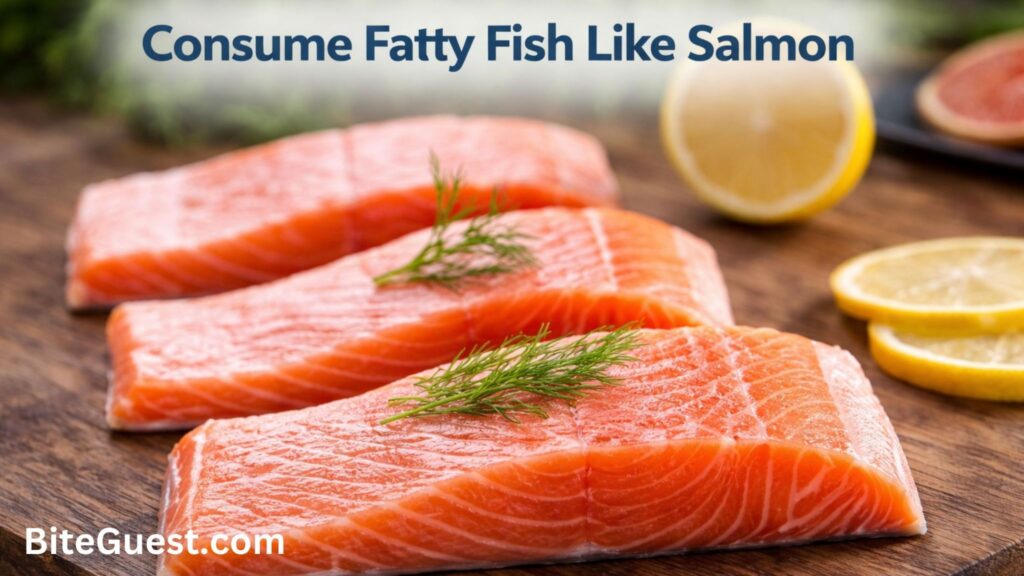
Fatty fish such as salmon, sardines, mackerel, and tuna are among the best foods for heart health. They contain omega-3 fatty acids, which help reduce inflammation and relax blood vessels. This leads to lower blood pressure and improved circulation.
Eating fatty fish two times a week can reduce systolic blood pressure and lower the risk of heart disease. Grilled, baked, or steamed fish is healthier than fried options and helps retain nutrients.
3. Eat Leafy Greens Rich in Potassium Foods
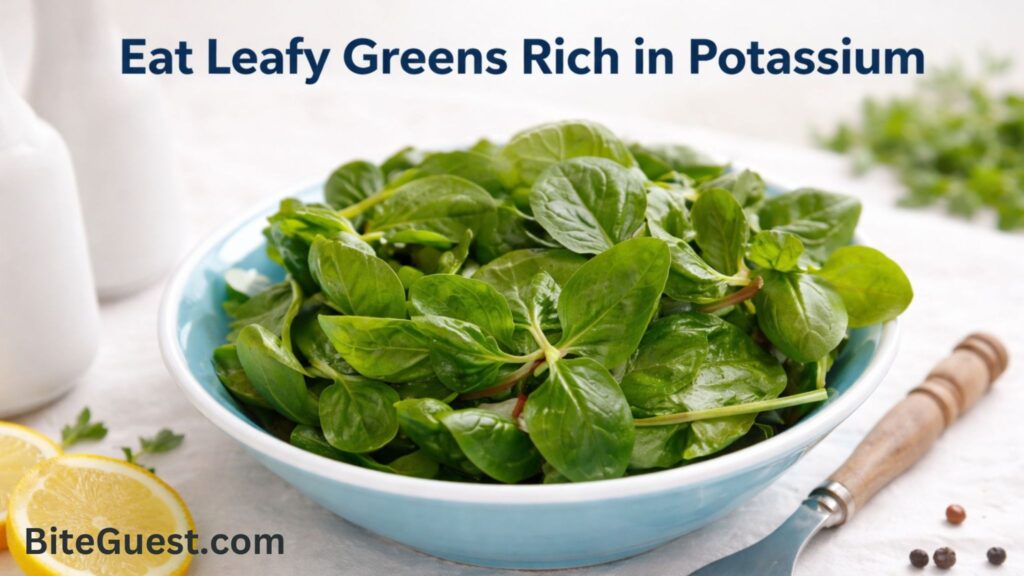
Leafy green vegetables like spinach, kale, Swiss chard, and lettuce are high in potassium. Potassium helps the body remove excess sodium through urine, which reduces pressure on blood vessels. Since high sodium intake is a major cause of high BP, potassium-rich foods are essential.
Adding greens to soups, curries, smoothies, or salads is an easy way to support blood pressure control. Regular consumption of leafy greens is linked to a lower risk of hypertension.
4. Snack on Nuts and Seeds Foods
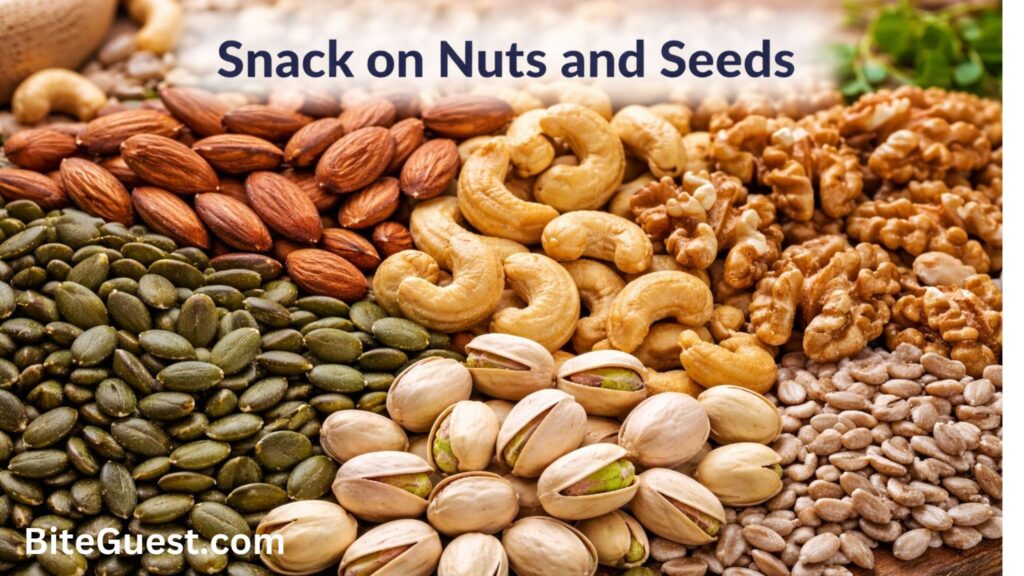
Nuts and seeds such as almonds, walnuts, flaxseeds, chia seeds, and sunflower seeds provide healthy fats, fiber, magnesium, and arginine. These nutrients help relax blood vessels and improve heart function.
A small handful of unsalted nuts daily can help lower blood pressure over time. Seeds can be added to yogurt, smoothies, or meals for an extra heart-healthy boost.
5. Add Berries to Your Diet
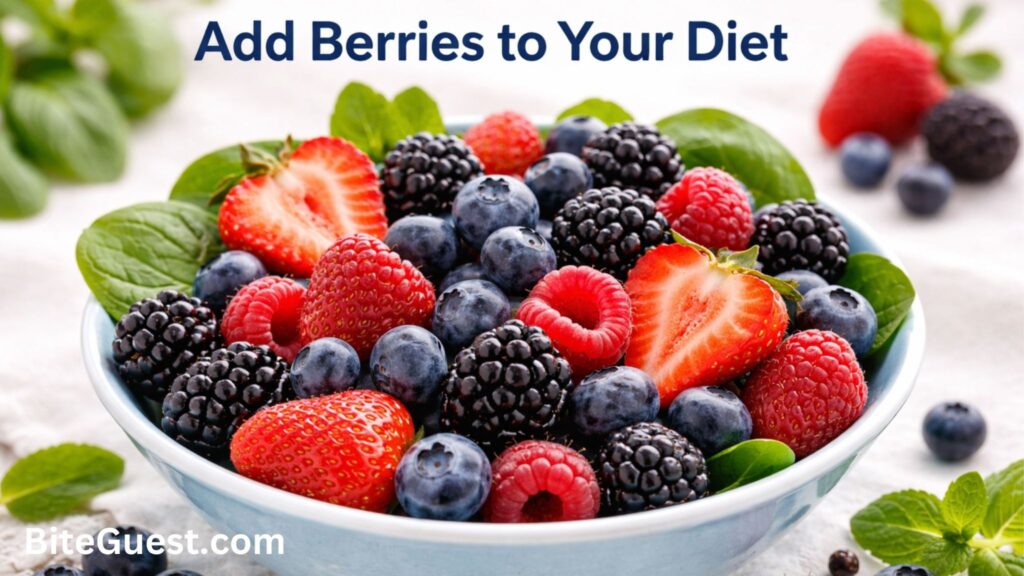
Berries like blueberries, strawberries, raspberries, and blackberries are rich in antioxidants called anthocyanins. These compounds improve blood vessel flexibility and reduce inflammation, which helps lower blood pressure.
Eating berries regularly has been linked to improved blood flow and reduced systolic BP. They can be enjoyed fresh, frozen, or blended into smoothies and oatmeal.
6. Choose Whole Grains Like Amaranth
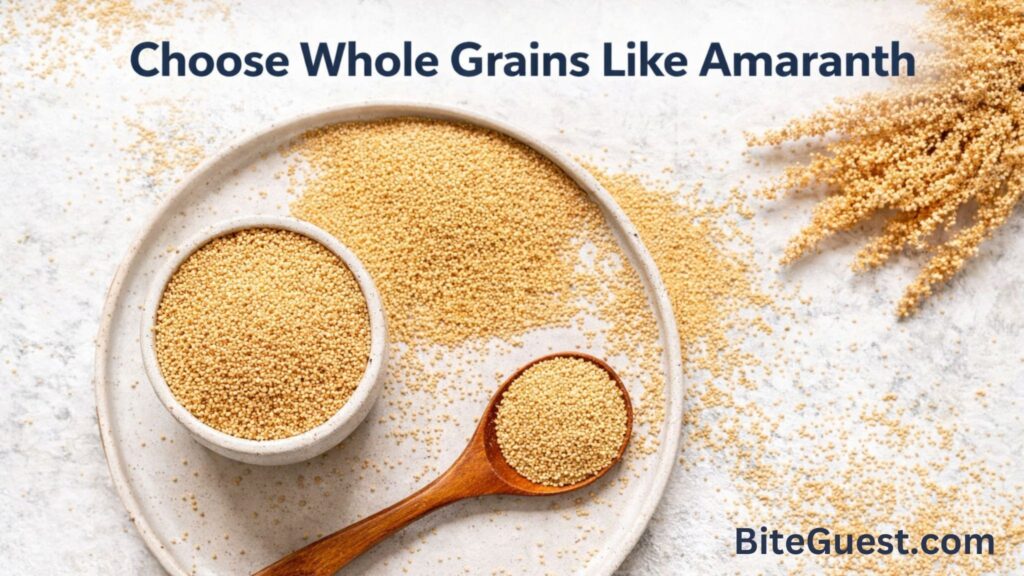
Whole grains such as oats, brown rice, quinoa, barley, and amaranth are rich in fiber and magnesium. Fiber helps reduce cholesterol and supports heart health, while magnesium helps regulate blood pressure.
Replacing refined grains with whole grains can significantly reduce the risk of hypertension. Eating whole grains daily also helps with weight management, which is important for controlling high BP.
7. Cook with Olive Oil
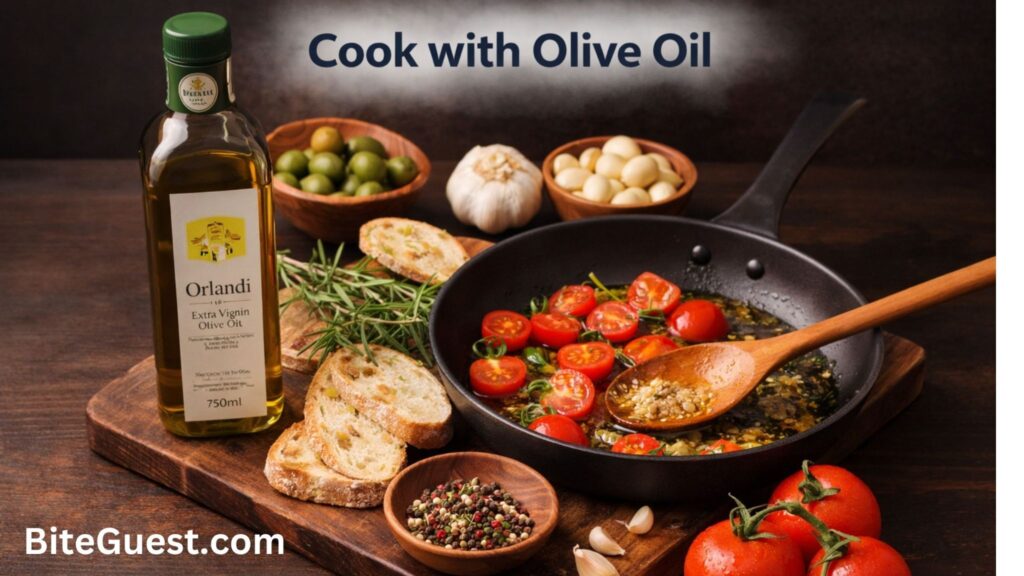
Olive oil is a healthy fat that supports heart health. It contains polyphenols and monounsaturated fats that help reduce inflammation and lower blood pressure. Using olive oil instead of butter or refined oils can improve cardiovascular health.
Olive oil is a key part of the Mediterranean diet, which is known for reducing the risk of heart disease and high blood pressure. Use it for cooking, drizzling on vegetables, or making salad dressings.
8. Munch on Carrots
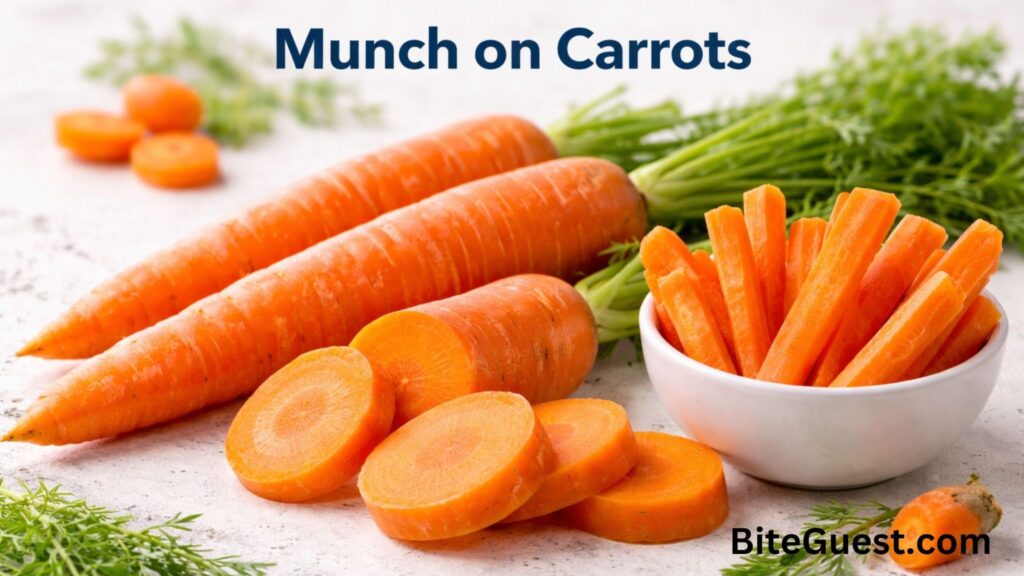
Carrots are rich in potassium and antioxidants that support healthy blood vessels. Research suggests that regular carrot consumption may significantly reduce systolic blood pressure.
Carrots are low in calories and easy to include in meals. They can be eaten raw, cooked, roasted, or blended into juices while still providing heart-healthy benefits.
9. Include Eggs in Your Diet
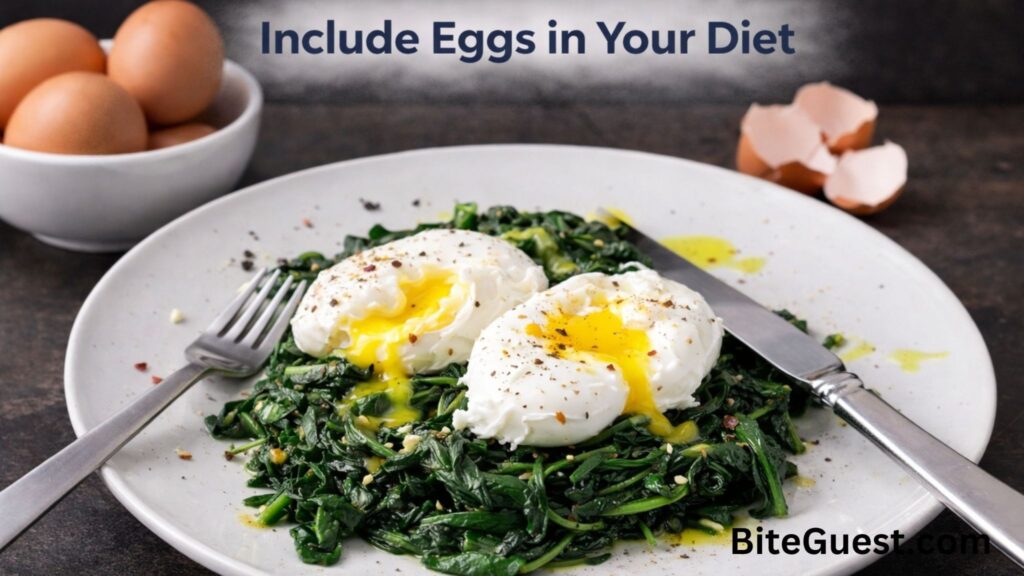
Eggs are a good source of high-quality protein and important nutrients. Recent studies suggest that moderate egg consumption does not increase blood pressure and may even help reduce it.
Eating eggs a few times a week can support muscle health and keep you full for longer, helping with weight control. Boiled or lightly cooked eggs are healthier choices than fried eggs.
10. Add Tomatoes to Your Meals
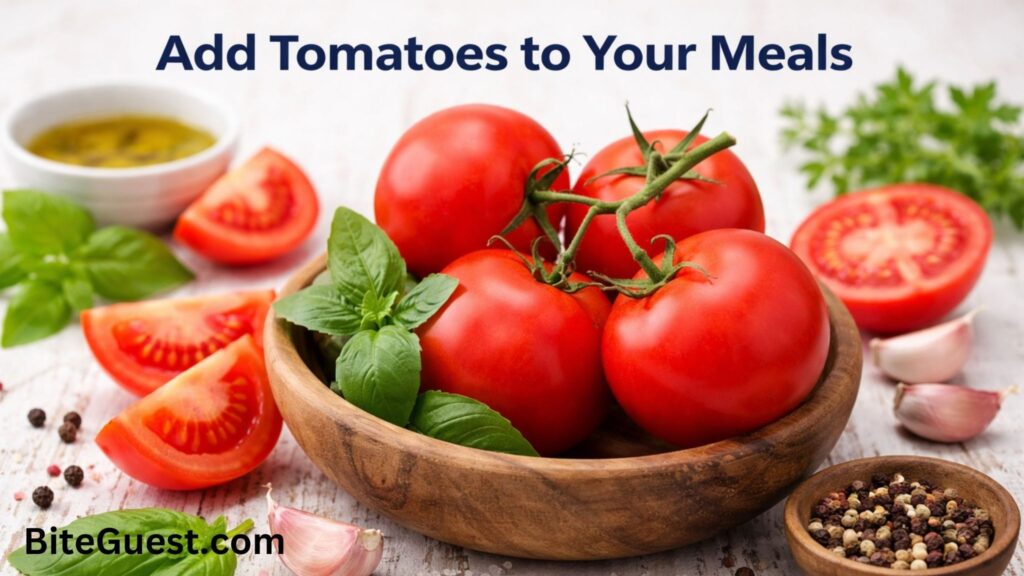
Tomatoes are rich in potassium and lycopene, a powerful antioxidant known to reduce blood pressure and protect the heart. Regular consumption of tomatoes is linked to improved blood vessel health.
Tomatoes can be eaten raw, cooked, or used in soups, sauces, and salads. Cooking tomatoes actually increases lycopene absorption, making them even more beneficial.
11. Reduce Salt Intake
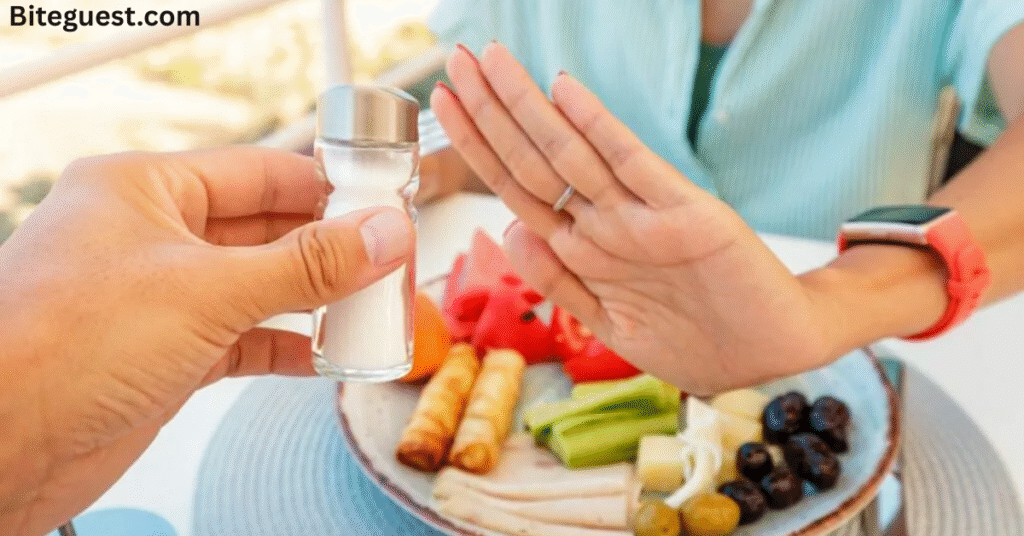
Excessive salt intake is one of the main causes of high blood pressure. Processed foods, packaged snacks, and fast foods contain large amounts of hidden sodium.
Reducing salt intake can quickly lower blood pressure. Using herbs, spices, garlic, and lemon juice instead of salt can add flavour without harming your heart.
12. Drink More Water
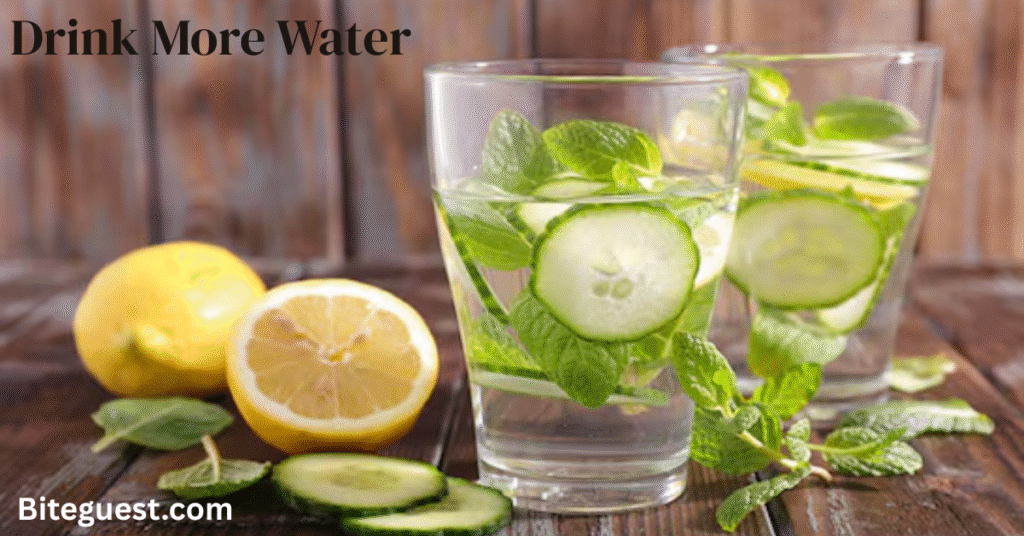
Staying hydrated helps maintain healthy blood circulation and supports kidney function, which plays a role in blood pressure regulation. Dehydration can cause blood vessels to tighten, raising BP.
Drinking enough water throughout the day supports overall health and helps the body remove excess sodium.
13. Maintain a Healthy Weight
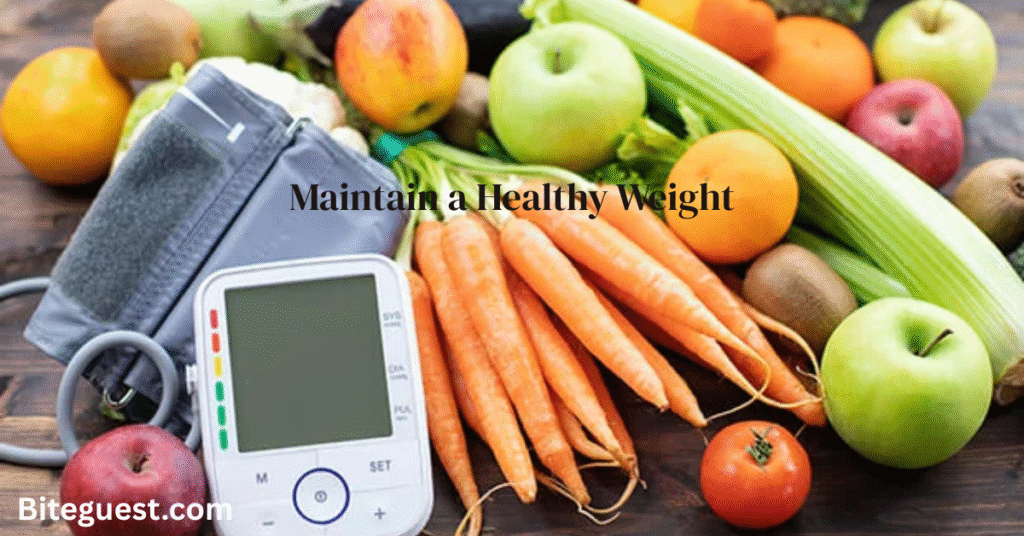
Being overweight increases pressure on the heart and blood vessels. Even a small weight loss can lead to noticeable reductions in blood pressure.
A balanced diet combined with regular physical activity helps maintain a healthy weight and reduces the risk of hypertension.
14. Exercise Regularly

Physical activity strengthens the heart and improves blood circulation, which helps lower blood pressure naturally. Activities such as walking, cycling, swimming, or yoga are simple and effective ways to stay active. When exercise is combined with a balanced eating approach, such as Personalized Diet Plans 2026: Achieve Better Health Easily, it becomes easier to manage blood pressure and overall health.
Just 30 minutes of moderate exercise on most days of the week can greatly improve heart health and reduce BP levels. Staying active also helps with weight control, stress reduction, and better energy, making it an important part of a healthy lifestyle.
15. Manage Stress Effectively

Long-term stress can raise your blood pressure. When your body stays stressed, it releases hormones that put extra pressure on your heart and blood vessels. Learning to relax is very important to keep your heart healthy and your blood pressure normal.
Simple ways to relax can really help. Try deep breathing, meditation, prayer, listening to soft music, or spending time outside in nature. These small habits can lower stress and help keep your blood pressure under control.
16. Improve Sleep Quality

Good sleep is very important for maintaining normal blood pressure and a healthy heart. When you do not sleep well, your body feels tired and stressed, which can raise blood pressure. Adults should aim to sleep 7 to 8 hours each night so the body and heart can rest and recover properly.
You can improve sleep by following a simple daily routine. Go to bed at the same time each night and keep your room quiet and dark. Avoid using mobile phones or watching TV before bed, and avoid tea or coffee at night. Slow breathing or light stretching can help you fall asleep faster and sleep better.
17. Eat Dark Chocolate in Moderation
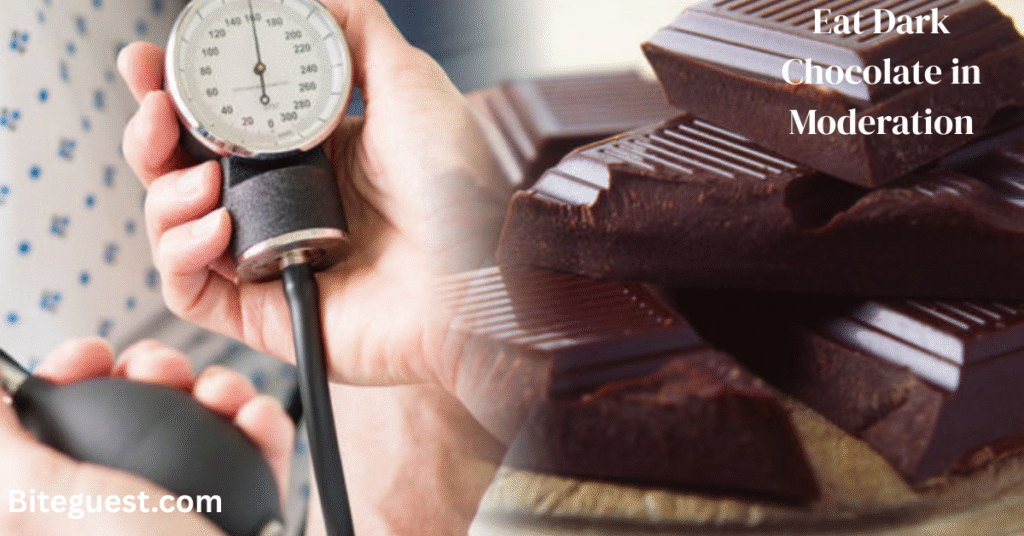
Dark chocolate can be good for heart health when eaten in small amounts. It contains natural compounds that help blood vessels relax and improve blood flow. This can support healthy blood pressure and reduce stress on the heart. Choose dark chocolate with a high cocoa content for the best benefits.
It is important not to eat too much chocolate. Large amounts can add extra sugar and calories, which may harm health. A small piece a few times a week is enough. Enjoy dark chocolate as a treat, not as a daily habit, to keep blood pressure under control.
18. Stay Consistent With Healthy Habits

Healthy habits work best when you follow them every day. Eating good food, staying active, sleeping well, and managing stress all help keep blood pressure normal. Doing these things regularly makes the heart stronger and supports overall health. Small daily actions can bring big results over time.
It is normal to see slow progress, so be patient with yourself. Do not stop healthy habits if results take time to show. Stay focused and make simple choices each day, like walking more or eating fresh food. Consistency helps your body stay balanced and healthy in the long run.
Final Thoughts
High blood pressure does not have to control your life. By choosing the right foods and making simple lifestyle changes, you can manage your blood pressure naturally and safely. Focus on whole foods, stay active, reduce stress, and listen to your body.
These natural strategies not only help lower blood pressure but also improve overall well-being. Start with small steps today, and your heart will thank you in the long run.
FAQS
Which food is best when BP is high?
Leafy greens, berries, fatty fish, nuts, and whole grains are best for naturally lowering high blood pressure. These foods help relax blood vessels and improve heart health.
How to reduce high BP naturally at home?
Eat heart-healthy foods, reduce salt, exercise regularly, manage stress, and get enough sleep. Small daily changes can naturally lower blood pressure over time.
What is a BP meal plan?
A BP meal plan is a daily eating guide that focuses on foods that lower blood pressure. It usually includes fruits, vegetables, whole grains, lean proteins, and healthy fats.
Which fruits reduce BP?
Citrus fruits, berries, bananas, and tomatoes help reduce high blood pressure. They are rich in potassium, antioxidants, and vitamins that support heart health.
Which drink is good for high blood pressure?
Water, green tea, hibiscus tea, and fresh vegetable juices are good for high blood pressure. They help keep the body hydrated and support healthy blood flow.