


Glycaemic control is a larger issue that is growing in the minds of most individuals, particularly those who have to cope with diabetes or other metabolic disorders. Uncontrolled high blood sugar, or hyperglycemia, can gradually affect energy levels, mood, weight, and overall health. Although medical treatment is also significant, most individuals prefer simple, natural methods to reduce blood sugar levels and maintain them at a consistent level daily. This manual provides simple and effective lifestyle changes, such as nutrition, physical activity, stress management, sleep, and daily routine, to prevent sugar spikes and maintain a healthy lifestyle in the long run.
What Are Sugar Levels and Why Do They Matter?
Insulin is normally the hormone that regulates blood glucose levels. Insulin facilitates the uptake of glucose into cells, where it is used for energy. When this is impaired, glucose is not absorbed by the body, leading to high blood sugar.
Impaired glucose metabolism may affect endocrine and metabolic health, as well as pancreatic insulin production. In the long run, uncontrolled regulation of sugar levels leads to increased HbA1c, elevated fasting blood sugar levels, type 2 diabetes, and hyperglycemia.
How to Control Blood Sugar Levels Naturally
Natural control of sugar levels does not mean quick fixes. It means building healthy habits that work long term.
1. Exercise Regularly to Balance Blood Sugar Levels

Regular physical activity is one of the most effective natural methods for controlling blood sugar. Exercise enhances muscle glucose uptake, allowing muscles to use sugar efficiently during and after movement. Both aerobic exercise, such as brisk walking, and resistance training, including weightlifting, support exercise and insulin sensitivity. Movement throughout the day also reduces sedentary lifestyle risks, which are linked to insulin resistance and poor glucose tolerance. Short “exercise snacks” spread throughout the day can significantly reduce post-meal sugar levels and help stabilize them over time.
2. Manage Carbohydrates to Prevent Blood Sugar

Carbohydrate digestion directly influences blood glucose control. Managing carb intake does not mean eliminating carbohydrates; it means choosing quality sources and controlling portions. Low-glycemic-index foods rank lower on the glycemic index scale and release glucose more gradually. Whole grains, legumes and beans, and non-starchy vegetables support blood sugar regulation while promoting satiety and metabolic condition management.
3. Eat Fiber-Rich Foods for Stable Blood Sugar
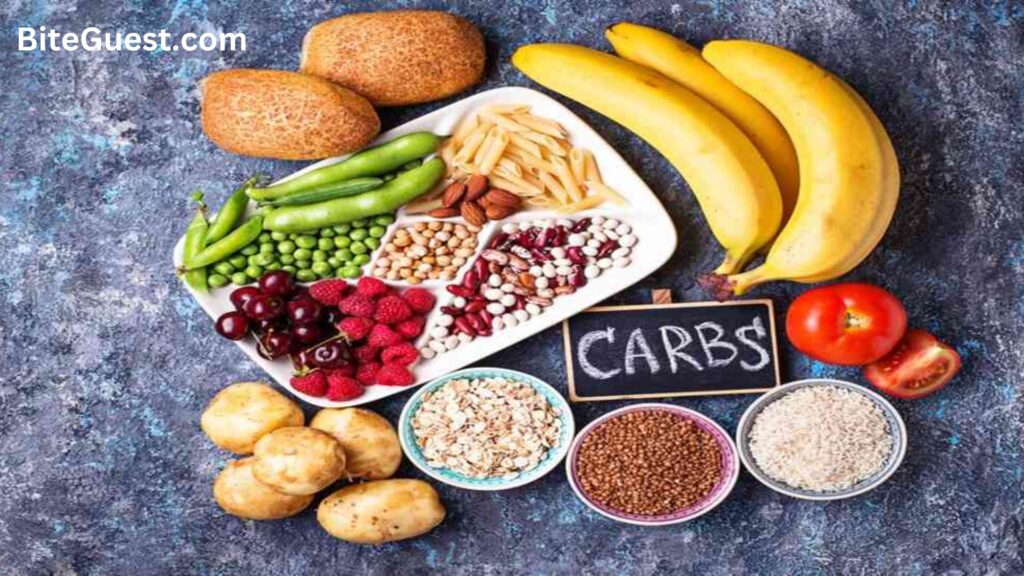
Fiber-rich foods slow glucose absorption and support healthy blood sugar levels. Soluble fiber forms a gel-like substance that moderates glucose release, while insoluble fiber supports digestive health. Including vegetables, whole grains, and legumes improves glucose metabolism and supports long-term sugar control without extreme dietary restriction.
4. Stay Hydrated for Better Blood Sugar Balance

Blood sugar and hydration are closely related, and adequate water intake helps the kidneys remove excess glucose from the body. This helps stabilize fasting blood glucose levels and reduces the risk of high blood sugar. Replacing sweetened beverages with water also helps reduce unwanted calories and avoid sudden spikes in sugar levels. Maintaining good hydration may enhance overall metabolism and support better sugar regulation throughout the day.
5. Practice Portion Management

Portion management is important for blood sugar management, as larger portions increase calorie intake and can overload insulin. Excessive food intake at once can cause sudden spikes in blood sugar, making it harder to maintain a healthy range. Small, balanced meals help maintain normal blood sugar levels and support weight management. This also simplifies maintaining a healthy body weight. In portions, individuals can mitigate the risk of high sugar levels and improve their long-term metabolic health.
6. Choose Low-Glycemic-Index Foods Consistently

Low-glycemic index foods help prevent blood sugar spikes and reduce post-meal sugar swings by slowing the absorption of glucose into the bloodstream. Low glycemic foods should also be selected, preferably whole grains, beans, and vegetables, since they provide a consistent energy supply and enhance blood glucose management. Adding carbohydrates to proteins or good fats, such as nuts, yogurt, or lean meat, will also help control sugar and reduce postprandial spikes. This method improves long-term sugar management and promotes overall health and fitness.
7. Reduce Stress to Control Cortisol Levels

Stress hormones, such as cortisol, raise blood sugar by signaling the liver to release stored glucose. Chronic stress disrupts cortisol and glucose levels, making diabetes lifestyle management more challenging. Stress management techniques such as mindfulness and blood sugar awareness, meditation for diabetes, journaling, and gentle movement support insulin sensitivity and endocrine balance.
8. Improve Sleep Hygiene

Insomnia impairs glucose tolerance and increases insulin resistance, making the body unable to regulate blood sugar levels. Sleep deprivation also elevates cortisol levels, increases hunger, and thus leads to overeating, causing weight gain. Good sleep hygiene and a regular circadian rhythm can help control blood sugar levels and support a healthy metabolism. These involve maintaining a regular sleeping schedule, avoiding late-night screen time, and establishing a relaxing bedtime.
9. Maintain a Healthy Weight

Exercising for weight management largely enhances insulin sensitivity, enabling the body to utilize glucose efficiently. Even a small weight loss can improve glucose metabolism and help prevent the onset of diabetes in the long term. A diabetic’s healthy lifestyle must not be based on quick fixes or changing habits; it should be based on sustainable practices, such as healthy eating, exercise, and sleep. This method helps manage blood sugar levels and promotes a healthy lifestyle in the long run.
10. Include Chromium and Magnesium in the Diet

Chromium supports insulin action in blood sugar regulation. Inadequate Magnesium levels are prevalent in patients with Metabolic Conditions, which can increase their insulin resistance. Increased consumption of both Magnesium and Chromium-rich foods helps support Mineral Balance and Glucose Tolerance.
11. Use Medicinal and Functional Foods Carefully

The responsible use of specific medicinal foods may improve blood sugar control in individuals with diabetes. These foods may include apple cider vinegar, cinnamon, berberine, and fenugreek seeds as supplements to an improved lifestyle. Although natural foods have been shown to provide some benefit in controlling diabetes through lifestyle, they should never substitute for medical care.
12. Support Gut Health with Probiotic Foods

The gut microbiota has been implicated in the development of insulin resistance and in various aspects of gastrointestinal health. Dietary sources of probiotics, such as yogurt with live cultures, kefir, kimchi, and sauerkraut, appear to benefit glucose metabolism. Studies show that when people who suffer from diabetes consume products containing probiotics, it may result in a lower level of fasting blood sugar and an increase in insulin sensitivity.
13. Eat Healthy Snacks Between Meals

Healthy snacks are important for maintaining a steady energy level and avoiding sudden spikes in blood sugar, particularly in people with diabetes. Meals spaced far apart may cause a rapid drop in blood sugar, leading to fatigue and a strong urge to eat. Consuming balanced snacks such as nuts, yogurt, fruit, or whole-grain crackers can help slow the absorption of sugar. This lowers high glucose levels and helps improve blood sugar regulation. Insulin sensitivity and fitness can also be enhanced by regular, healthy snacking over time.
14. Track Blood Sugar Levels Regularly
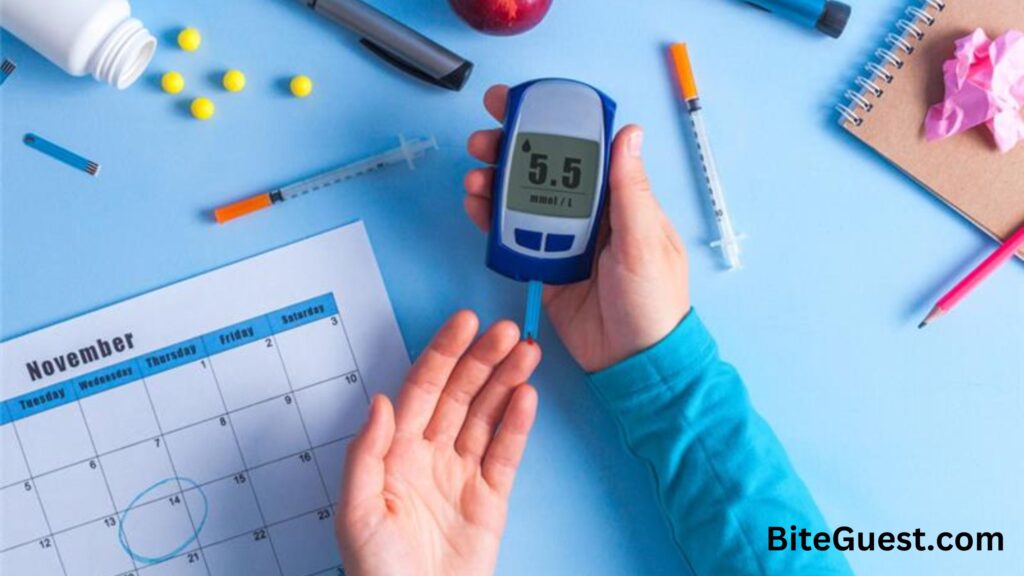
Progress tracking helps you make adjustments to improve your health by changing your lifestyle. Blood glucose testing tools allow people to check their glucose levels before and after eating. The method of tracking HbA1c also allows others to see how effective a person has been in controlling their glucose levels on a sustained basis through their fasting blood sugar test results.
15. Commit to Long-Term Lifestyle Changes

Sustainable management of metabolic conditions comes from evidence-based lifestyle changes, and lowering blood sugar naturally takes consistency over perfection. It takes time, not quick fixes, to see real results. A balanced combination of nutrition, movement, sleep, stress management, and hydration forms the foundation for diabetes prevention and long-term control of blood sugar levels, especially for those who also struggle with high blood pressure.
The Bottom Line
There are proven methods to maintain control of your blood glucose levels without medication. For many people, lifestyle changes related to diabetes will also offer significant benefits, helping stabilise their levels and promoting overall metabolic wellness. Developing a healthy diet and physical activity programme, along with techniques to manage stress, develop good sleep habits, and maintain an appropriate gut, greatly improves the chances of attaining and maintaining stable blood glucose levels.
Frequently Asked Questions
What are the signs of high blood sugar?
Common symptoms of hyperglycemia include excessive thirst, frequent urination, fatigue, blurred vision, and slow wound healing.
What causes high blood sugar?
Causes of high blood sugar include insulin resistance, a poor diet, inactivity, chronic stress, and inadequate sleep.
What are the 3 P’s of diabetes?
The 3 P’s of diabetes are polydipsia, polyuria, and polyphagia, meaning excessive thirst, urination, and hunger.
How to control sugar levels in children?
Sugar levels in children can be controlled with healthy foods, less sugary snacks, regular physical activity, good sleep, and routine blood sugar checks.
Which exercise is best to reduce sugar levels?
Simple exercises like brisk walking, cycling, playing outdoor games, and swimming are very effective for reducing sugar levels. These activities help the body use sugar as energy and improve insulin sensitivity.