

Are your workouts leaving you exhausted instead of energised? Or do you feel slower, weaker, or mentally drained despite training harder? If yes, your body may be showing early signs of overtraining. Overtraining happens when exercise intensity or volume exceeds your body’s ability to recover. While dedication is important, pushing too far for too long can lead to fatigue, injuries, poor performance, and burnout—especially for runners and fitness enthusiasts.
This guide explains 10 clear signs of overtraining and practical, safe recovery strategies to help you return stronger without risking your health.
1. Constant Fatigue and Low Energy Levels: Recover Safely
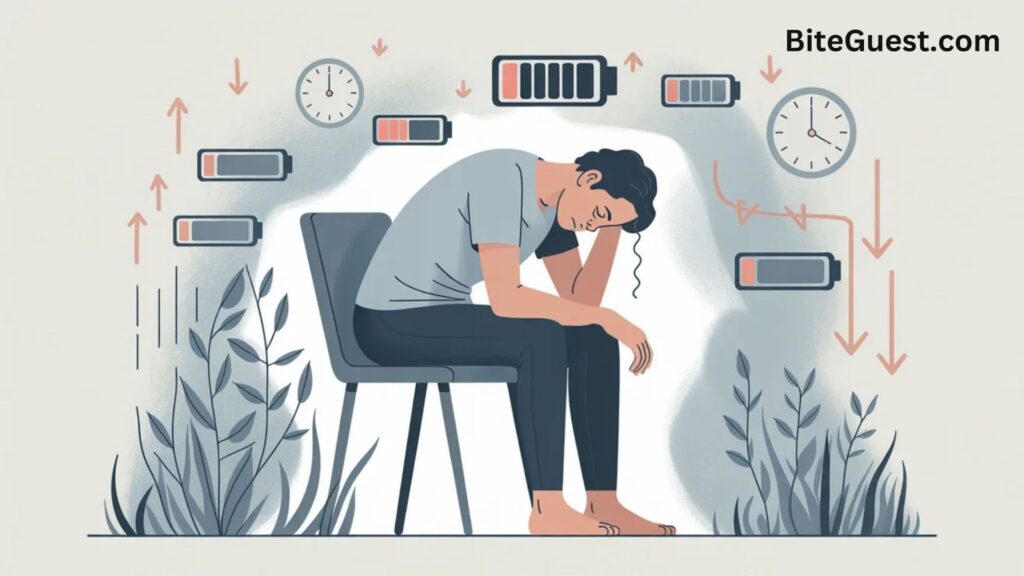
The first to come is the deep exhaustion with no improvement, even through sleep or rest, when a runner gets into an overtraining state. This exhaustion is not like ordinary exhaustion after vigorous exercise. It is characterized by chronic low energy, fatigue in the morning, muscle heaviness, and inability to finish regular runs. Excessive training increases stress hormones, such as cortisol, which can interfere with sleep, immunity, and overall recovery. Runners might experience reduced performance, decreased endurance, slower speed, and reduced stamina, even during light workouts. That is the way this body indicates that the training load exceeds its recovery capacity.
Solution:
The rebalancing of the body can be achieved by minimizing the number of miles, adding more days of rest, improving sleep quality, and introducing light mobility exercises. Providing hydration and good nutrition also supports the nervous system and muscle repair.
2. Performance Decline Despite Harder Training: How to Improve Safely
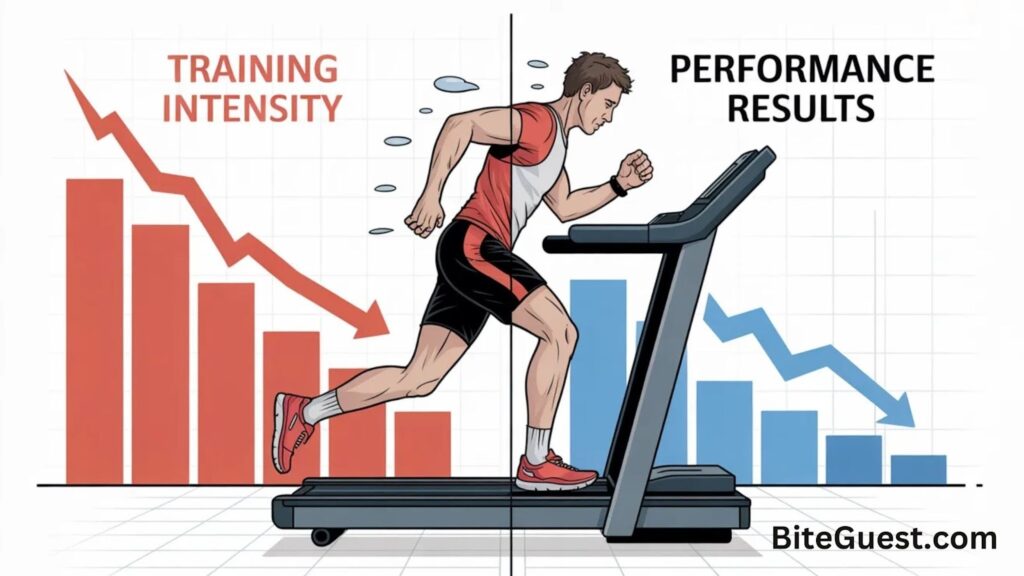
Most runners have been surprised when they perform poorly, yet they are training more. Overtraining affects speed, strength, and endurance because the body cannot regenerate muscle fibers rapidly. Runners can feel slow, their race results are poor, their pace falters, and even their warm-ups can be painful. Other frequent occurrences are mental burnout, lack of motivation, and poor concentration. Excessive training can lead to a reduced capacity to store glycogen, inflammation, and decreased power generation. Consequently, athletes tend to misinterpret such changes and strive even harder, perpetuating the spiral.
Solution
The most effective method is to avoid vigorous exercise for a few days, emphasize active recovery (stretching, low-impact cross-training), and resume training only after energy and performance levels are normalized. Performance plateaus are avoided through a periodized training plan.
3. Frequent Injuries, Pain, and Muscle Soreness: Manage Safely

Injuries from overuse, such as shin splints, stress fractures, tendonitis, plantar fasciitis, muscle strains, and joint pain, occur when the body fails to keep up with the repetitive load. Other signs of overtraining include delayed recovery, soreness lasting more than 72 hours, and persistent muscle stiffness. Runners might experience inflammation, reduced range of motion, and painful movement during typical movements. These traumas occur because, at times, when the intensity of training is increased too rapidly with insufficient rest, the muscles, ligaments, and bones become weaker.
Solution:
Cessation of high-impact exercises, icing inflammatory treatment, strength training, and gradual recovery of miles are protective measures for the body. In case of persistent pain, a professional physiotherapy/sports medicine assessment can be required.
4. Mood Changes, Stress, and Mental Burnout: Restore Balance Safely

Mental exhaustion is one of the major indications of overtraining. Runners can be irritable, unmotivated, nervous, or tired. The nervous system is affected by overtraining syndrome, which makes it more difficult to concentrate, stay consistent, or even enjoy running. Another symptom of an overstressed body is disrupted sleep, loss of appetite, and elevated stress levels. The sportsman might experience a loss of interest in running, a loss of motivation, or pressure, and feel overwhelmed.
Solution:
The runner is to have a few days of mental rest, minimize life stressors where feasible, and focus on pleasant, light activities. Emotional stability is restored through mindfulness, good sleep hygiene, and balanced nutrition. A conversation with a coach or sports psychologist may also help build long-term mental strength.
5. Weakened Immune System and Frequent Illness

The most overlooked symptom of overtraining is a weakened immune system, which is often manifested as colds, sore throats, or slow healing. Continuous workouts increase stress levels, which prevent the body from effectively combating infections when a runner is overtraining. It results in continuous illness, stomach problems, headache, and post-rest run-down. Minor cuts or injuries can take longer to heal, indicating that the body is also struggling to recover. Monitoring these signs helps runners when their immune system needs rest, proper nutrition, and a reduced training load.
Solution:
Taking complete rest for a few days, eating a lot of vitamin-enriched foods, staying hydrated, and relieving stress are some ways to enhance immunity. It is recommended that a runner resume training once their symptoms have improved.
For more details on how a weak immune system shows up in active individuals and natural ways to improve it, check out our guide:10 Symptoms of a Weak Immune System…and How to Improve It.
6. Sleep Disturbances: Improve Recovery Safely

Overtraining can disrupt your sleep, making it hard to fall asleep or stay asleep. Poor sleep reduces recovery, leaving you tired and less focused during runs. It can also worsen fatigue and increase stress levels, creating a cycle that affects both physical and mental performance. Sleep issues are often one of the first signs your body needs a break.
Solution:
To improve sleep, maintain a consistent bedtime routine, and avoid late-night high-intensity workouts. Light stretching or relaxation exercises before bed can calm the nervous system. Creating a cool, dark, and quiet sleep environment also promotes restorative sleep. Prioritizing sleep allows your body to recover fully and reduces the risk of overtraining
7. Increased Resting Heart Rate: Monitor Safely

Overtraining can raise your resting heart rate above normal levels, even when you are not exercising. This happens because your body is under constant stress and struggles to recover properly. An elevated resting heart rate can indicate fatigue, hormonal imbalance, or cardiovascular strain. Monitoring heart rate trends can help detect overtraining before it leads to injury or illness.
Solution:
Track your resting heart rate daily, ideally in the morning before getting out of bed. If it remains higher than usual, reduce training intensity and focus on active recovery such as walking, yoga, or stretching. Gradually return to full workouts once your heart rate normalizes, ensuring your cardiovascular system and body are fully recovered.
8. oss of Motivation: Regain Focus Safely

Overtraining often leads to a loss of motivation, where running or workouts feel like a chore rather than a source of enjoyment. You may find it hard to stick to your training plan, and activities that used to be fun may seem exhausting. Mental fatigue can accompany physical exhaustion, making it harder to stay consistent. Recognizing this sign early helps prevent burnout and long-term performance issues.
Solution:
Take a short break from structured training and focus on activities you enjoy, like light jogging, walking, or cross-training. Setting small, achievable goals and incorporating fun exercises can help reignite motivation. Gradually return to regular workouts once you feel mentally refreshed, keeping training enjoyable and sustainable.
9. oss of Motivation: Regain Focus Safely

Overtraining can affect your digestive system, leading to stomach discomfort, nausea, or loss of appetite. Stress hormones released during excessive training interfere with digestion and nutrient absorption. Poor digestion can slow recovery and reduce energy levels, making workouts feel even harder. Monitoring digestive changes can help identify when your body needs a break.
Solution:
Focus on easily digestible, nutrient-rich meals and stay hydrated to support your digestive system. Incorporate rest days and reduce training intensity until your digestion returns to normal. Small, frequent meals and gentle stretching can also improve digestion while allowing your body to recover.
10. Hormonal Imbalance
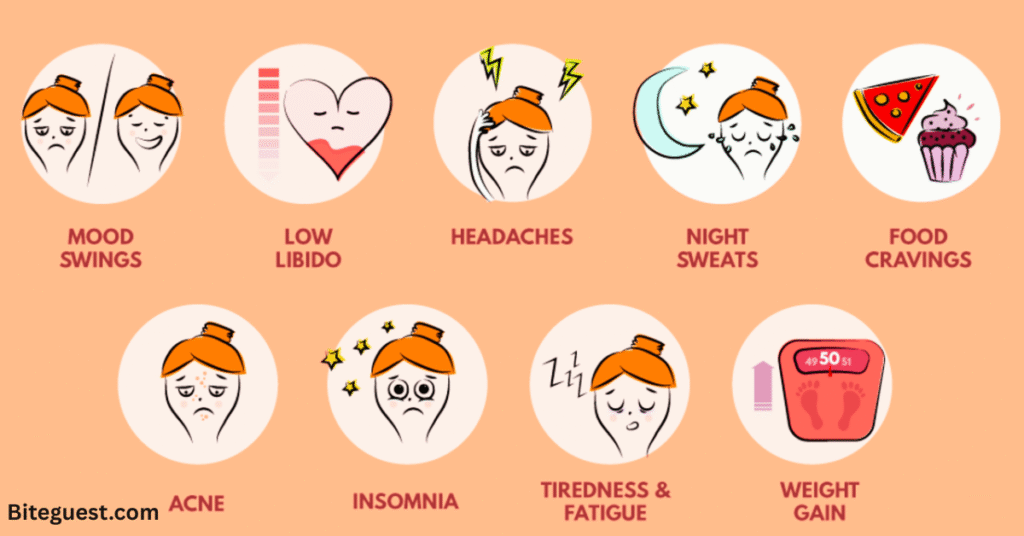
Overtraining can disrupt hormone levels, affecting cortisol, testosterone, and other key hormones. This imbalance may cause fatigue, mood swings, weight changes, or irregular cycles in women. Hormonal disruptions can also reduce recovery, weaken the immune system, and lower overall performance. Recognizing these signs early is essential to preventing long-term health issues.
Solution:
Prioritize rest, balanced nutrition, and stress management to help restore hormone balance. Ensure sufficient sleep and gradually reduce training intensity until energy levels return to normal. Consulting a health care professional may also help monitor and support healthy hormone levels during recovery.
How to Recover Safely from Overtraining
Recovering from overtraining requires patience and care:
- Rest: Allow muscles and energy stores to regenerate.
- Active Recovery: Engage in light exercises such as walking, yoga, or stretching.
- Nutrition & Hydration: Eat balanced meals and drink plenty of water to support muscle repair.
- Gradual Return: Slowly reintroduce running, starting with easy, short sessions.
- Listen to Your Body: Stop when pain occurs and avoid pushing through exhaustion.
By following these steps, runners can recover fully and return stronger, healthier, and more motivated.
Conclusion
Any runner can overtrain due to overwork and insufficient rest, and such signs must never be underestimated. When performance and motivation fade, and the body is always fatigued, then the training load is excessive. Fatigue, mood swings, and frequent injuries are some of the issues that runners should pay attention to to notice the issue at hand. The most important step to recovery is listening to these signals and ensuring safe and healthy recovery.
The process of overtraining takes time to return to normal with patience, balanced training, and self-care. Rest days, better sleep, a nutritious body, and gradual recovery of mileage are all in the interest of better long-term performance. Runners naturally regain energy, speed, and confidence when they get a chance to relax. Through the appropriate recovery plan, all the runners will be able to come back smarter, healthier, and more resilient than ever.
FAQs
Can overtraining cause fever?
Indeed, overtraining may suppress the immune system and occasionally cause mild fever or flu-like symptoms.
How can I determine if I am overtraining?
If you are always tired, your performance is declining, you are experiencing mood changes, or you are suffering from injuries that often arise, you might be overtraining.
How to recognize overtraining?
Energy levels, sleep quality, heart rate, mood, and workout performance can be monitored to help recognize overtraining.
What is the beginning of overtraining syndrome?
The first stage of overtraining syndrome is characterized by a rundown body, longer recovery times, and a lack of will to do exercises.
How long is the recovery time for overtraining?
Runners in general require from several days to a few weeks of lighter training and complete rest, but this depends on the severity of the problem.
[…] Overtraining without proper rest can also weaken immunity — see our guide on 10 Signs You’re Overtraining – and How to Recover Safely. […]