

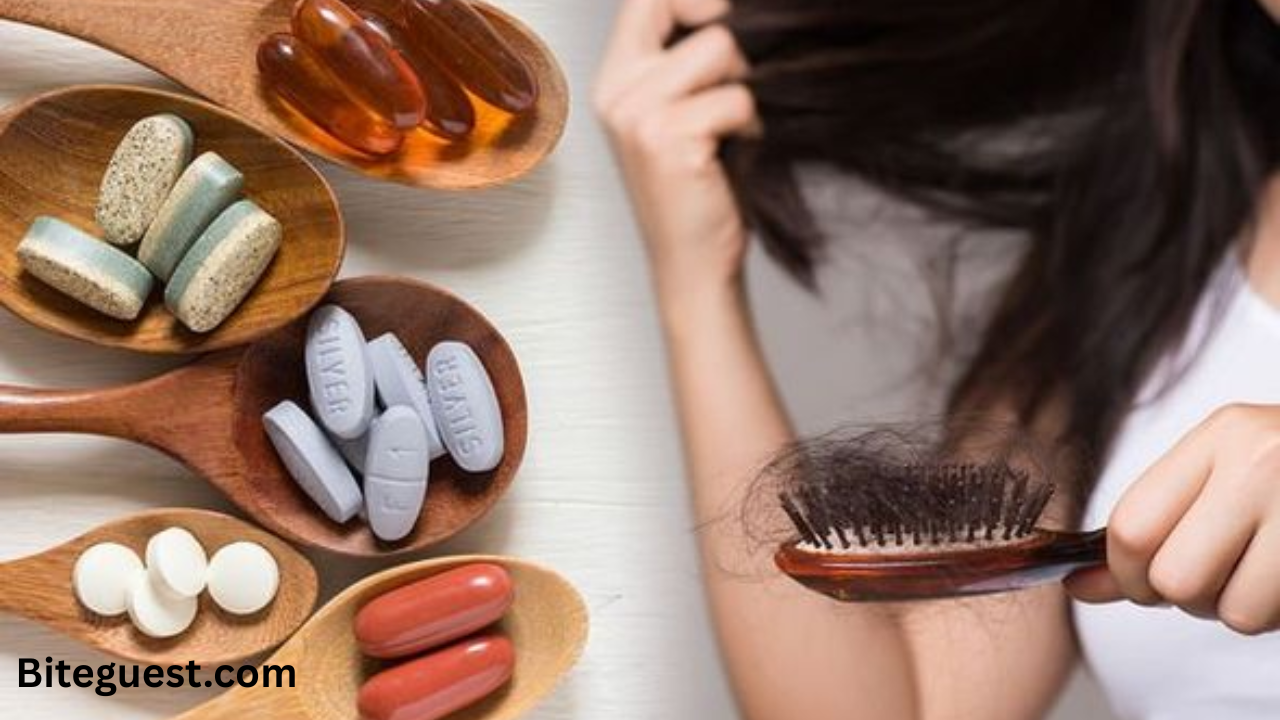
Hair begins within the body, and the nutrients it requires are essential for strong, healthy growth. Most people have hair that is not growing, thin, or lifeless, and in most cases, the problem begins with a deficiency of essential nutrients. This is why it is necessary to know the best vitamins for hair growth, as they are significant in ensuring a healthy scalp, improved circulation, and every strand of hair is fortified with strength.
What Are Hair-Growth Supplements?
Hair growth supplements are health foods formulated with vitamins, minerals, and supportive nutrients aimed at improving hair health. These supplements help fill nutritional gaps that affect hair follicles, scalp condition, and strand strength. While supplements help correct deficiencies, they work best when combined with a balanced diet and natural care methods, such as those outlined in Essential Oils for Growth – Benefits and Facts.
Best Vitamins for Hair Growth
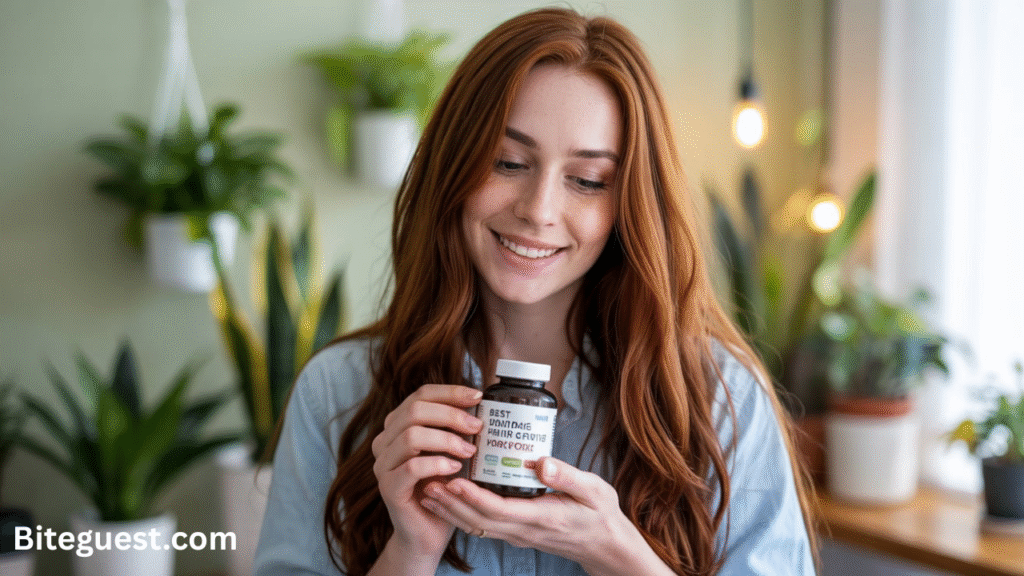
Hair Nutrition Vitamins Give the hair the necessary structural nutrients and proteins to make it stronger, longer, healthier, and with fewer breakages. Its components are purely natural, in tablet form, easy to swallow, and highly manageable. It contains Niacin, Vitamin B-12, Vitamin B-6, Biotin, Vitamin E, Vitamin D, Iron, Keratin, Folic Acid, and Zinc, which are necessary for faster hair growth.
Hair growth supplements come in different types, but some may be more appealing because they specifically address particular problems.
Vitamin B12 for Hair Growth
Vitamin B12 supports metabolism and red blood cell production, which helps deliver oxygen to the scalp. Proper oxygen supply is essential for healthy hair growth and follicle strength.
Natural Sources for Hair Growth
- Avocadosados.
- Whole grains
- Meat and fish
- Eggs
- Nuts
Biotin (Vitamin B7) for Hair Growth
Biotin helps strengthen the hair shaft. It allows the body produce keratin, the most common protein in hair. Biotin deficiency is rare. It results in hair loss because the hair is not given a chance to form strong protein bonds.
Natural Sources
Biotin occurs naturally in foods such as eggs, dairy products, rice, almonds, salmon, sweet potatoes, bananas, and whole grains. Such foods are enough to meet the necessary biotin for most people.
Recommended Daily Intake
The daily requirement for most adults is approximately 30 micrograms. This is satisfied by a regular diet.
Excess Intake Risks
Even though serious toxicity is rare, very high doses can interfere with important medical lab tests, including hormone and thyroid tests. It is better to avoid large doses unless advised by a doctor.
Vitamin D and Hair Growth
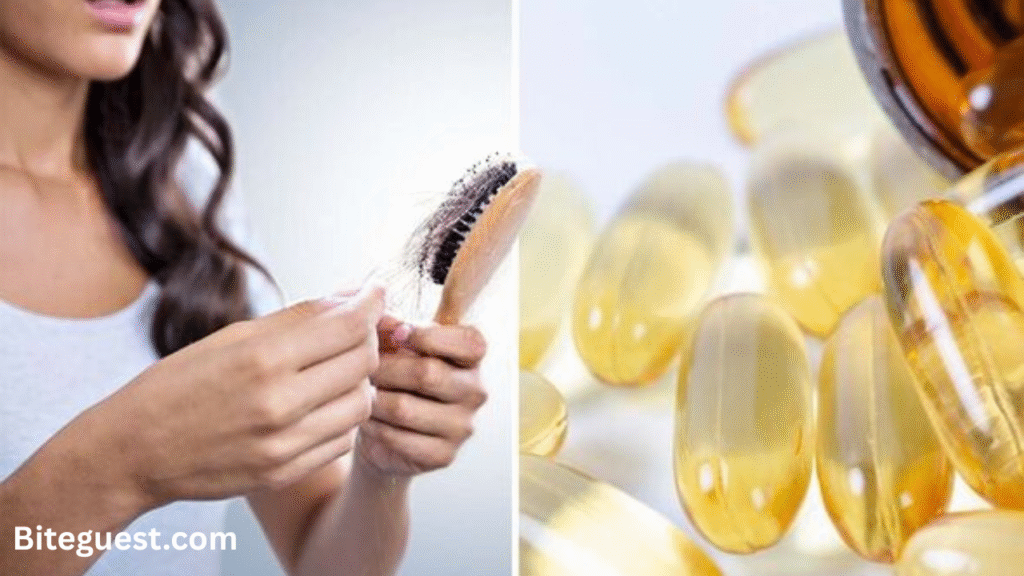
Vitamin D plays a part in hair follicle function. Low levels may affect follicle cycling, leading to slower growth or increased shedding. Many adults have low vitamin D levels, especially those living in cloudy climates or who spend little time in the sun.
Natural Sources for Hair Growth
Sunlight is the strongest natural source of vitamin D. Dietary sources include fortified milk, yoghurt, cheese, mushrooms, egg yolks, tuna, sardines, and salmon.
Recommended Daily Intake
Most adults require 2,000 to 5,000 IU per day, but the ideal dose depends on blood test results.
Excess Intake Risks
Very high levels can raise calcium in the blood, causing nausea, weakness, dehydration, bone pain, and kidney issues. This usually happens only after prolonged overdosing.
Vitamin A for Hair Growth
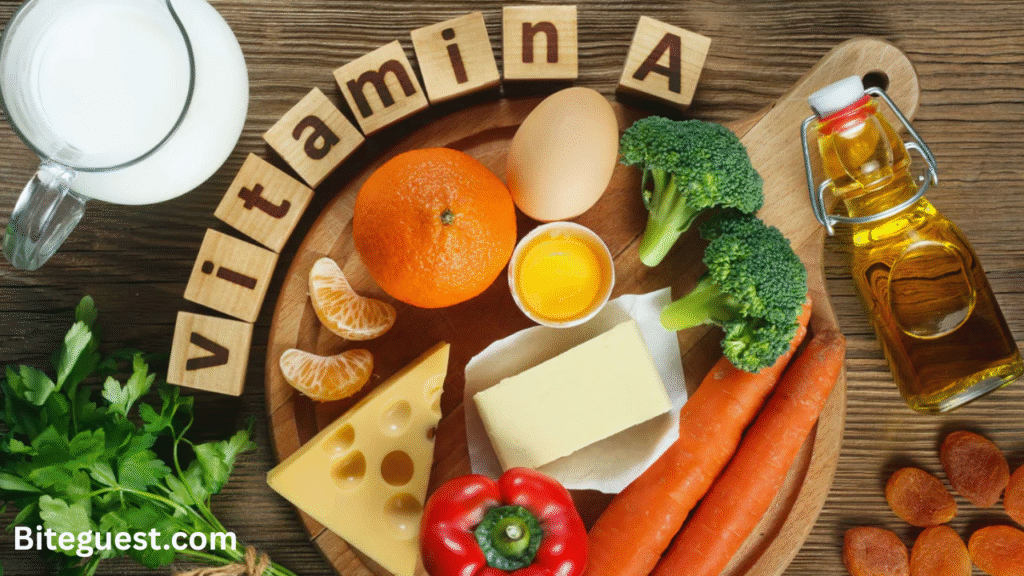
Vitamin A supports healthy cell growth, immune function, and proper vision. For hair, it supports the production of oils that keep the scalp moisturized. Too little vitamin A can result in dry, thick skin around follicles.
Natural Sources
Vitamin A is found in carrots, sweet potatoes, apricots, kale, liver, spinach, squash, egg yolks, and dairy products.
Recommended Daily Intake
Men need about 900 mcg per day, while women need around 700 mcg per day.
Excess Intake Risks
Too much vitamin A can cause headaches, dizziness, blurred vision, nausea, and even liver problems. In pregnancy, very high levels can be harmful, so intake must stay within safe limits.
Vitamin C for Hair Growth
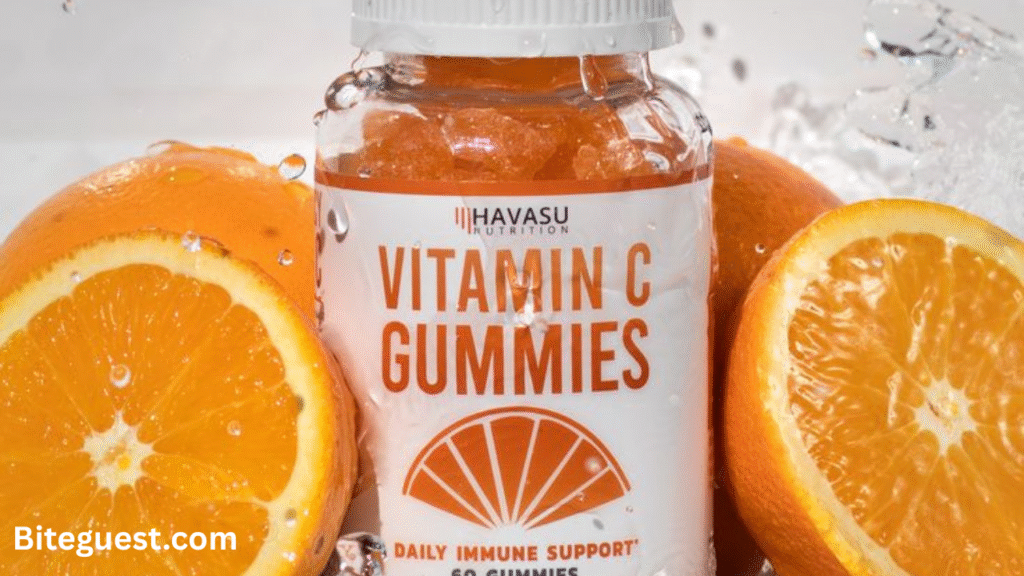
Vitamin C helps the body create collagen, an important protein for the hair shaft. It also improves iron absorption, a mineral that influences hair strength and growth. Low levels may contribute to weak strands or slow repair.
Natural Sources
Oranges, strawberries, bell peppers, broccoli, tomatoes, and leafy greens provide excellent amounts of vitamin C.
Recommended Daily Intake
Men need about 90 mg daily, and women need about 75 mg, with slightly higher requirements during pregnancy or breastfeeding.
Excess Intake Risks
Too much vitamin C may cause stomach discomfort, headaches, or, in rare cases, kidney stones.
Vitamin E and Hair Growth
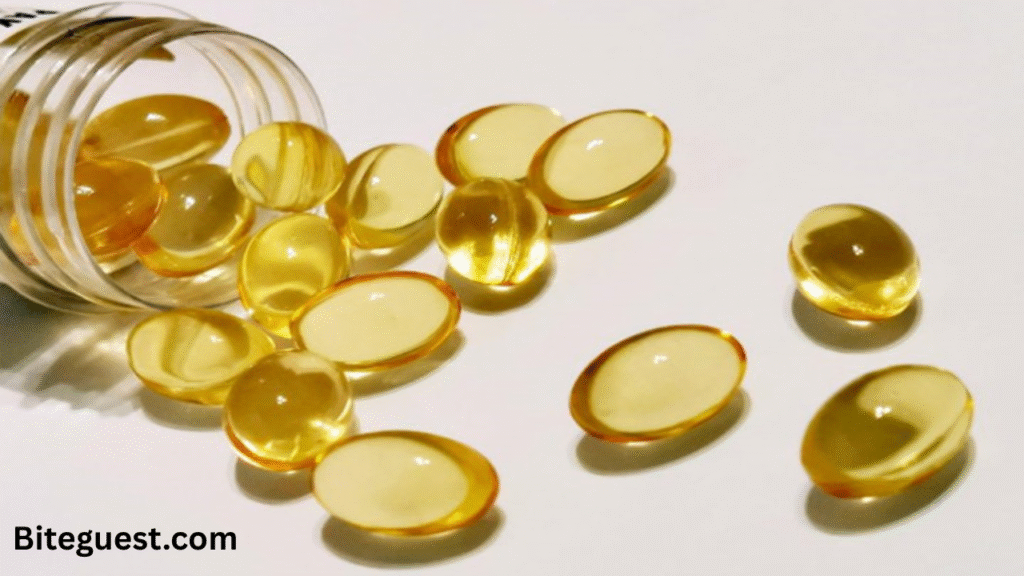
Vitamin E acts as an antioxidant, protecting hair follicles from oxidative stress. This kind of stress can damage cells and slow growth. Balanced vitamin E levels help maintain the scalp environment and support healthy development.
Natural Sources
Wheat germ oil, nuts, seeds, avocados, spinach, and fish provide valuable amounts of vitamin E.
Recommended Daily Intake
Most adults need around 15 mg per day.
Excess Intake Risks
Large amounts may cause nausea, diarrhea, headaches, blurred vision, or fatigue.
Folic Acid for Hair Growth
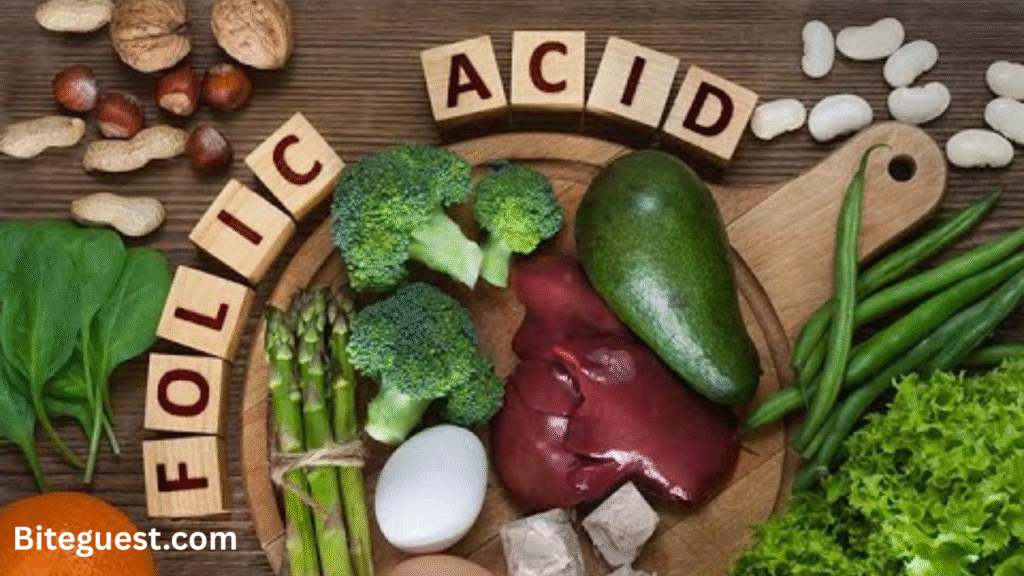
Folic acid helps create red blood cells, supports cell division, and assists in producing keratin. Low folate levels may lead to thinning strands or weak hair shafts.
Natural Sources
Leafy greens, beans, peas, asparagus, liver, citrus fruits, eggs, and fortified grains supply folic acid.
Recommended Daily Intake
Adults need about 400 mcg daily.
Excess Intake Risks
Too much folic acid can hide signs of vitamin B12 deficiency. It may also cause stomach discomfort or, in rare cases, skin reactions.
Key Minerals for Hair Growth
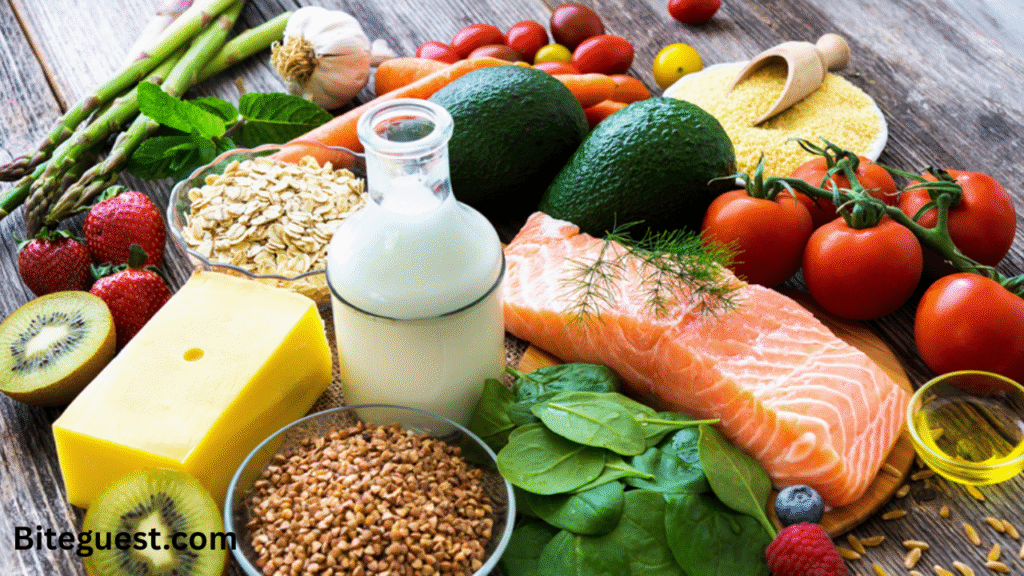
Iron
Iron helps in the development of red cells, which enhances the transportation of oxygen to the hair follicles. Insufficiencies in iron, particularly in females, may contribute to hair loss, possibly by reducing hair growth. Often, iron deficiency improvement helps with hair conditions.
Natural Sources
Sources of iron are red meats, poultry, fish, lentils, beans, spinach, nuts, seeds, and iron-fortified cereal.
Recommended Daily Intake
Women before menopause require a daily amount of 18 mg, whereas men and post-menopausal women require about 8 mg.
Excess Intake Risks
High doses can cause organ damage, particularly the liver or heart. High doses are considered to be a potential toxicity.
Magnesium
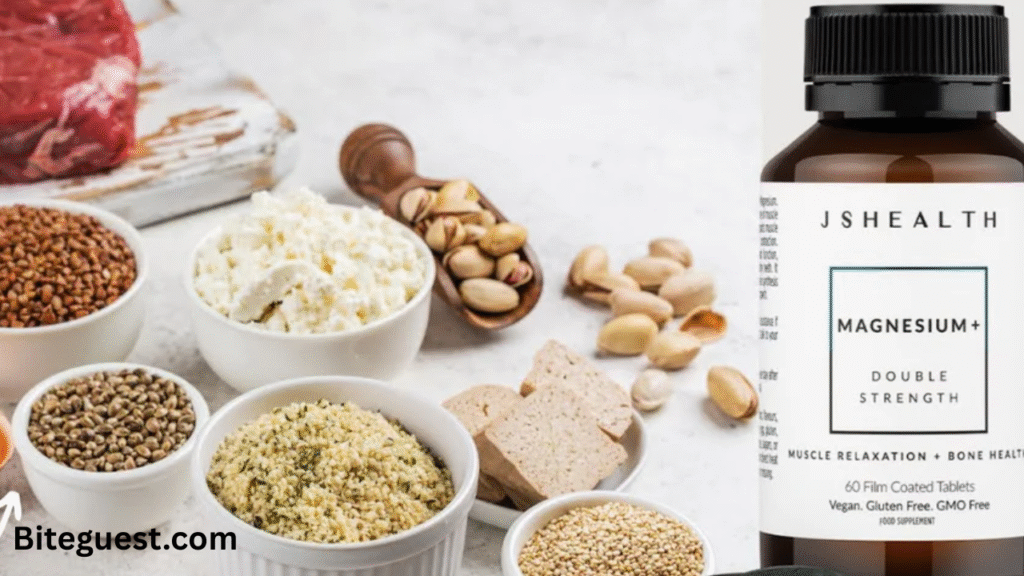
Magnesium has a role involving DNA, protein synthesis, and cell growth. This supports the synthesis of the new strand and follicle activity.
Natural Sources
Magnesium is present in bananas, nuts, whole grains, beans, fish, avocados, leafy vegetables, and dairy products.
Recommended Daily Intake
Men need around 400–420 mg daily, while women need 310–320 mg.
Excess Intake Risks
Extremely high intake may cause low blood pressure, weakness, confusion, or irregular heartbeat.
Zinc
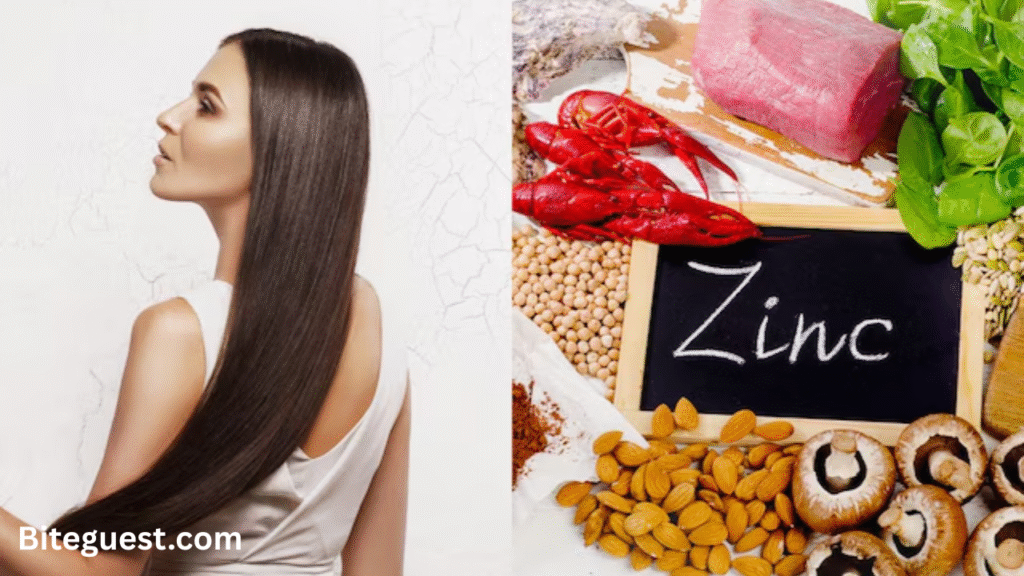
Zinc supports tissue repair, scalp oil balance, and regular follicle activity. Deficiency can lead to hair thinning or increased shedding.
Natural Sources
Meat, eggs, fish, nuts, seeds, and dark chocolate contain zinc.
Recommended Daily Intake
Men need about 11 mg daily, while women need around 8 mg.
Excess Intake Risks
Too much zinc may cause nausea, vomiting, headaches, or poor copper absorption.
Natural-Growth Hair Serum
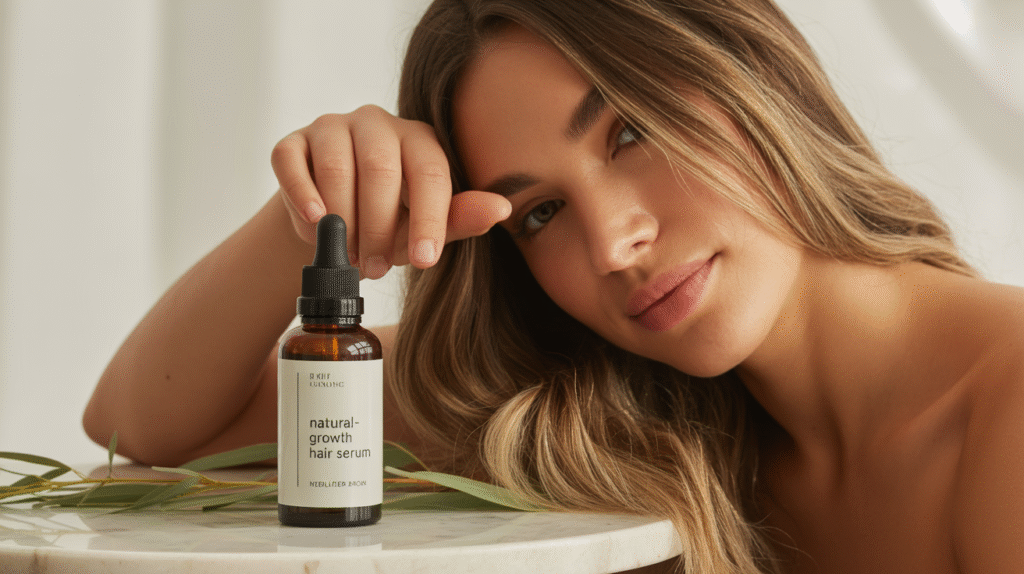
This natural growth hair serum is designed to condition the scalp and support healthy hair growth with plant extracts. It helps increase blood flow to hair follicles, reducing dryness and breakage. The hair becomes firmer, smoother, and easier to manage with this product, which helps give it a thicker appearance over time while maintaining a healthy, chemical-free scalp.
Biotin Hair Growth Serum

The EarthShine BIOTIN Hair Growth Serum Revitalizing Serum is scientifically proven to enhance hair growth by rejuvenating hair follicles, delivering outstanding results quickly! Biotin hair oil is suitable for both men and women.
Treat yourself to the ultimate solution that helps increase thicker, firmer, longer, softer, and healthier hair. Thinning can be stopped effectively.
Our hair growth serum, suitable for both women and men, contains biotin to support hair follicles and a unique blend of root activators, making it capable of giving you the hair you have always wanted!
Hair Growth Oil Revitalising Serum caters to all hair types, whether curly, straight, light, dark, long, or short. This revitalising serum is tailored for you.
Other Essential Nutrients for Hair Health
- Proteins and collagen: necessary for hair and skin growth. A proper diet promotes natural protein production.
- Omega-3 fatty acids: necessary for hair growth and for skin growth, a proper diet promotes natural protein production
- Selenium: a trace mineral linked to hair loss in poor nutrition; may help reverse grey hair and chemotherapy-related hair issues; found in meat, vegetables, and nuts.
- Pantothenic acid (Vitamin B5): supports cell metabolism; deficiency is not typically linked to hair loss.
Choosing the Right Supplements
- Assess your diet to identify any nutrient gaps before taking supplements.
- Choose reputable brands with clear labelling and quality assurance.
- Prefer supplement forms that are easily absorbed by the body (e.g., fish oil for omega‑3).
- Avoid high or mega doses unless recommended by a healthcare professional.
- Consult a doctor, especially if you have medical conditions or take medications.
- Follow the recommended daily intake to prevent side effects.
- Be patient, as benefits for hair health may take several months to appear.
- Look for third-party tested supplements for safety and purity.
Expected Results and Timeline
3–6 months: Reduced shedding and stronger hair
4–6 months: Visible new growth may appear
6–12 months: Maximum results with consistent use
Results vary based on genetics, diet, and overall health.
Conclusion
For healthy hair growth, a solid nutrient base is required. If the body is fed adequate doses of vitamins, minerals, and proteins, hair growth can occur efficiently. Some parents use vitamins when they notice their kids lack specific nutrients, but a healthy diet is the most reliable way to maintain a healthy head of hair. Emphasising meeting real needs rather than resorting to quick fixes leads to better outcomes with fewer side effects. The use of vitamins for hair growth is important when considering the real practices of healthy living.
FAQS
What is the best vitamin supplement to take for hair growth?
Generally, a supplement composed of biotin, Vitamin D, Vitamin C, Vitamin E, and Folic Acid is always the best supplement for hair growth.
Which vitamin is main for hair growth?
Biotin is recognised as the foremost vitamin in hair growth because it promotes the formation of keratin, a vital hair protein.
Is biotin or B12 better for hair?
Biotin supports hair structure, and B12 helps carry oxygen in red blood cells. Both are vital, but biotin is more specifically geared toward hair.
Is Surbex Z good for hair growth?
Surbex Z contains zinc and vitamins beneficial for hair, though results vary. Eating healthy provides similar benefits.
What is the No. 1 hair growth medicine?
The most potent hair growth medications are FDA-approved, such as minoxidil and finasteride. Vitamins are secondary but helpful.