

SEO is way more advanced in 2026 than it has ever been. The focus of search engines shifts toward user intent, AI-driven results, and content relevance. Mastering search engine optimization best practices helps you achieve higher rankings and attract organic traffic to your blog, e-commerce store, or local business website. With the right approach, even small websites can stand out from larger brands. Read this guide on Search engine best practices for improving your rankings, from on-page and off-page optimization to technical SEO, content quality, backlinks, and user experience. Apply these tips to grow your visibility, traffic, and credibility effectively.
What is SEO and How Does it Work?
SEO stands for Search Engine Optimization, which is a method to enhance your website so that it appears at a higher rank in search engines. Search engines such as Google, Bing, and Yahoo crawl, index, and rank web pages using bots. Crawling discovers new content, indexing stores it, and ranking orders the pages by relevance, quality, and authority.
Search engine optimization (SEO) optimizes your website through various means: crafting high-quality content, enhancing the user experience, speeding page load times, building backlinks, and structuring your website for better navigation. Employing LSI and NLP keywords, such as organic traffic, search intent, content optimization, and ranking signals, helps search engines understand the context of your content.
Top 10 Best Practices to Improve SEO Ranking
1. Add Your Main Keyword Early On In Your Content
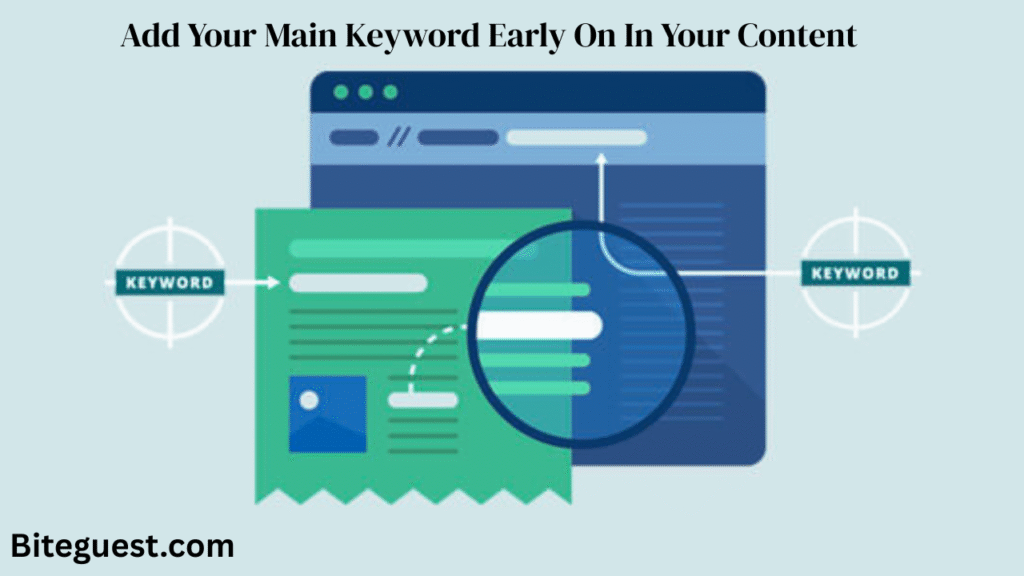
Including your main keyword at the start of your content signals relevance to search engines and improves rankings. In 2026, AI-powered search engines will also take into account related entities and semantic phrases. Use your pri
For example, if your target keyword naturally occurs in the first paragraph of your content, or is “Best Practices,” you can write:
Understanding Search best practices is key to ranking high, driving organic traffic, and satisfying user intent in 2026.
Organic search traffic, keyword optimization, search intent, and search engine strategy are all related terms you can use naturally throughout your content.
2. Write Unique Titles, Descriptions, and Content
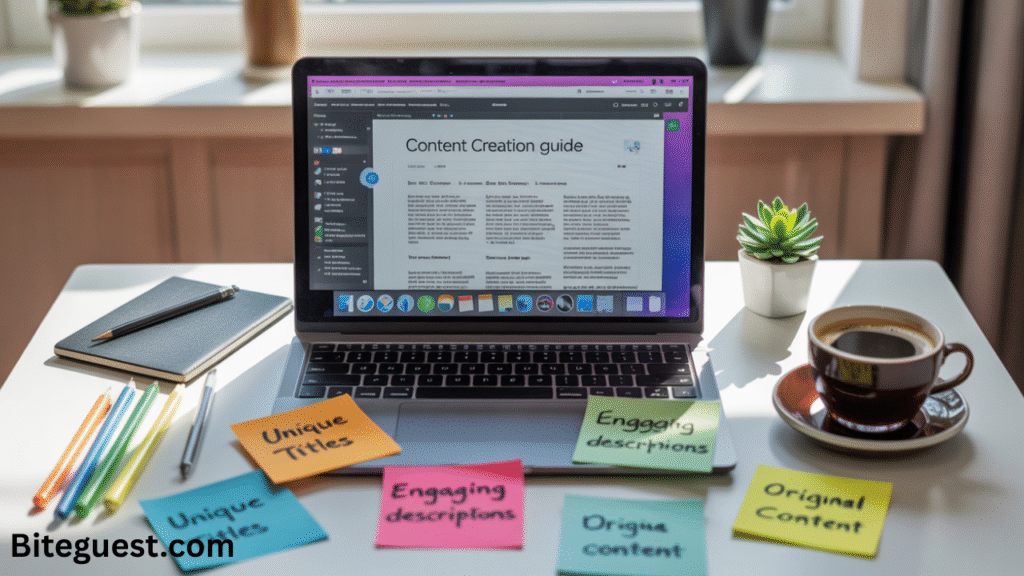
Unique content is more important than ever for Search rankings. Search engines prioritize original pages that provide real value to readers. Titles, meta descriptions, and the content itself should be crafted to match user intent and avoid duplication. Tips for creating unique content include:
- Provide fresh insights and examples instead of copying competitors.
- Update your content regularly to keep it relevant.
- Include statistics, case studies, or practical tips.
Websites with unique content rank significantly better and encourage users to engage and return.
3. Optimize Your Title Tag for SEO
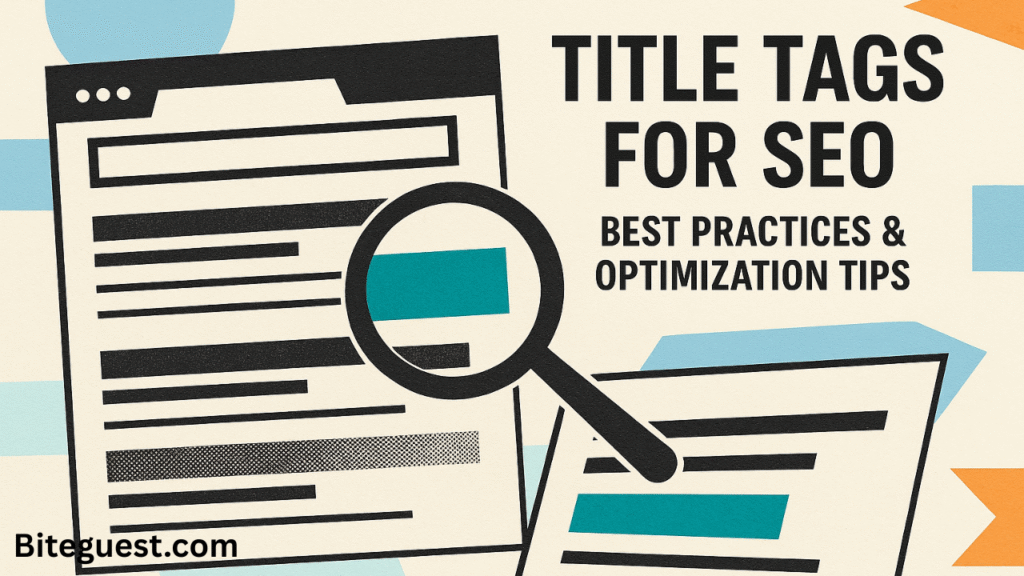
The title tags are among the most vital on-page SEO elements today. A well-written title tag explains the topic of your page to both search engines and users. Titles should involve your main keyword, be concise, and entice users to click. For example, a strong title can be
“10 Best Practices to Boost Your Website Rankings in 2026”
Optimize the title to display properly in search results, boosting click-through rates and further enhancing your ranking.
4. Improve Your Site’s User Experience

The critical factor of SEO performance is the user experience. A website that is easy to navigate, mobile-friendly, and visually appealing will keep a visitor on the site longer and thus encourage him or her to view more pages. A clear menu, responsive design, readable fonts, and minimal pop-ups all add to a better user experience. Google and other search engines reward websites that prioritize UX by giving them higher rankings, so investing in a smooth, enjoyable browsing experience is necessary for success.
5. Optimize Your Site’s Loading Speed
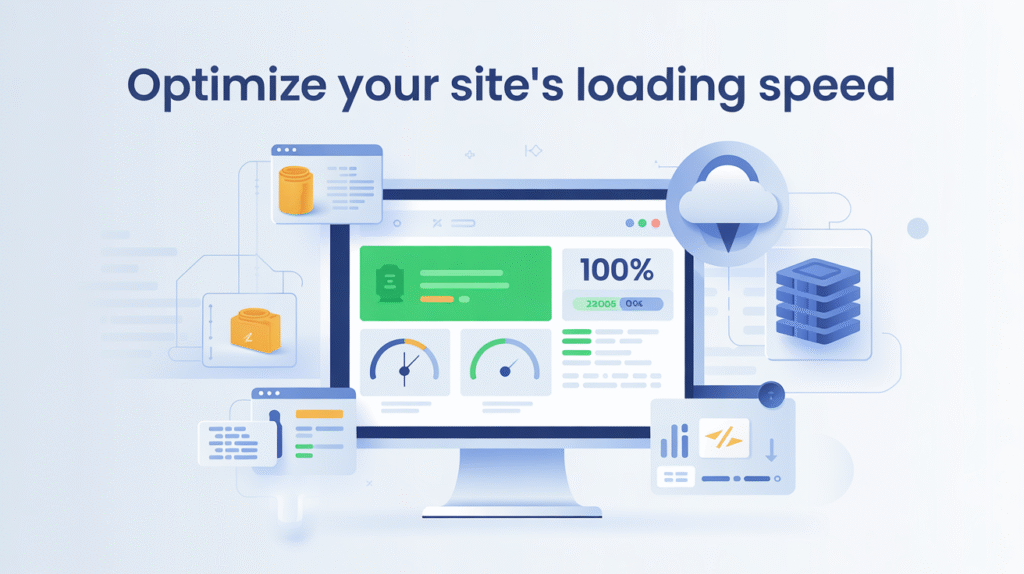
Website speed directly affects both search engine rankings and user engagement. Slow-loading pages lead to higher bounce rates and lower search visibility. Tools like Google PageSpeed Insights or GTmetrix can help identify performance issues.
Ways to improve site speed include:
- Compressing images without losing quality.
- Minimizing unnecessary CSS, JavaScript, and HTML code.
- Using fast and reliable hosting.
- Enabling browser caching and content delivery networks (CDNs).
Faster websites keep visitors longer and signal reliability to search engines.
6. Track Your Results With Google Search Console
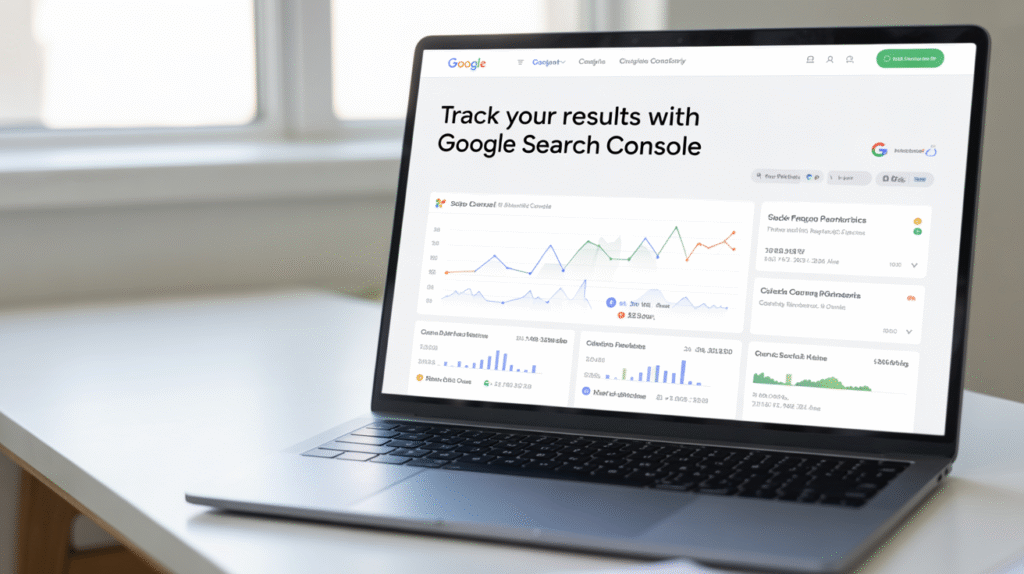
Google Search Console: Observe your website’s SEO performance with this tool. It lets you check indexing, identify crawl errors, and analyze which keywords drive traffic to your site. You’ll be able to identify problems, refine your strategy, and optimize your content for better rankings by consistently analyzing this data. In addition, using Search Console will keep you informed about technical issues affecting your SEO and help you maintain your site’s health in the long run.
7. Optimize Images for SEO
Images can help improve content engagement and drive traffic via search results. Image optimizations include descriptive file names, alt text with keywords, and file compression to reduce load times.
Key points for image optimization:
- Use descriptive and keyword-rich file names.
- Add alt text for accessibility and SEO.
- Compress images for faster loading.
- Include images in XML sitemaps when possible.
8. Use Internal Linking
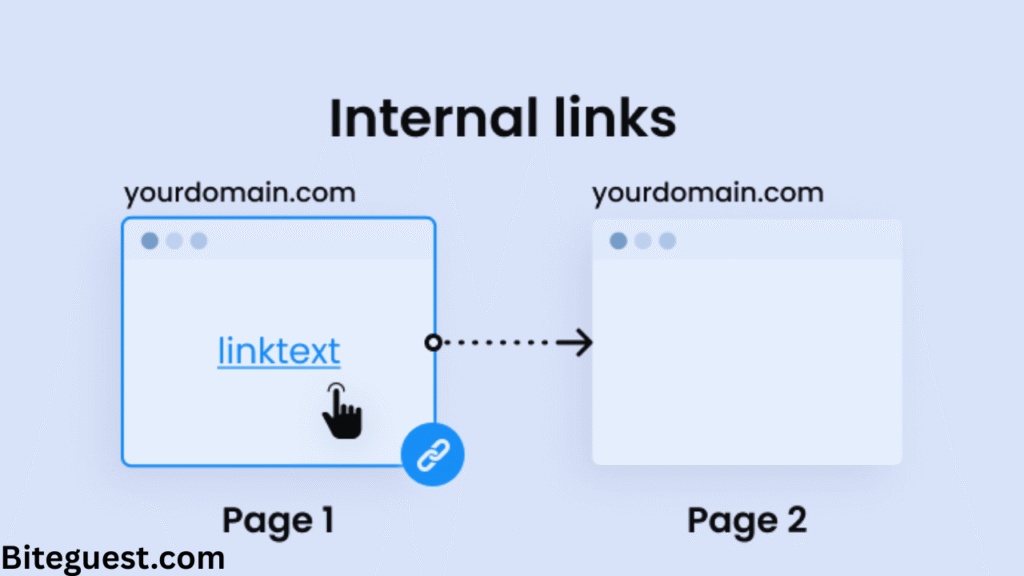
Internal linking bridges related pages within your website. It helps search engines to crawl your website efficiently and enhances the user navigation experience. Linking to related content would keep your visitors engaged and spread page authority across your site.
Tips for effective internal linking include:
- Use descriptive anchor text that matches the page topic.
- Link to relevant pages naturally within your content.
- Avoid over-linking, which may appear spammy.
9. Publish Amazing Content

Quality of content remains at the core of SEO. Publishing helpful, insightful, and engaging content satisfies user intent and generates backlinks from authoritative sources. In 2026, content should be presented with clear headings, short paragraphs, and multimedia such as images, videos, and infographics. Update your content regularly to keep it fresher and more competitive, and signal to search engines that your website is active and relevant. Great content boosts rankings, builds trust, and lifts engagement.
10. Build Backlinks to Your Website
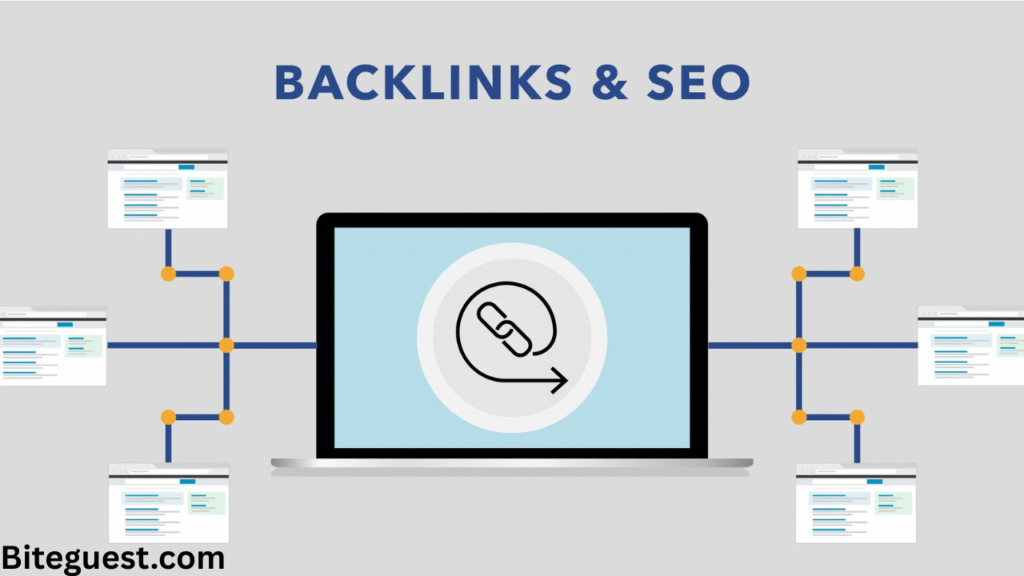
Inbound links from authoritative sites tell search engines that your site is trusted and credible. Even in 2026, earning inbound links remains a major ranking factor in improving SEO.
Strategies to build backlinks include:
- Creating high-quality, shareable content.
- Collaborating with influencers in your niche.
- Guest posting on relevant, authoritative websites.
- Reaching out for media coverage or brand mentions.
Maintaining quality over quantity is crucial for sustainable SEO growth.
How SEO Works
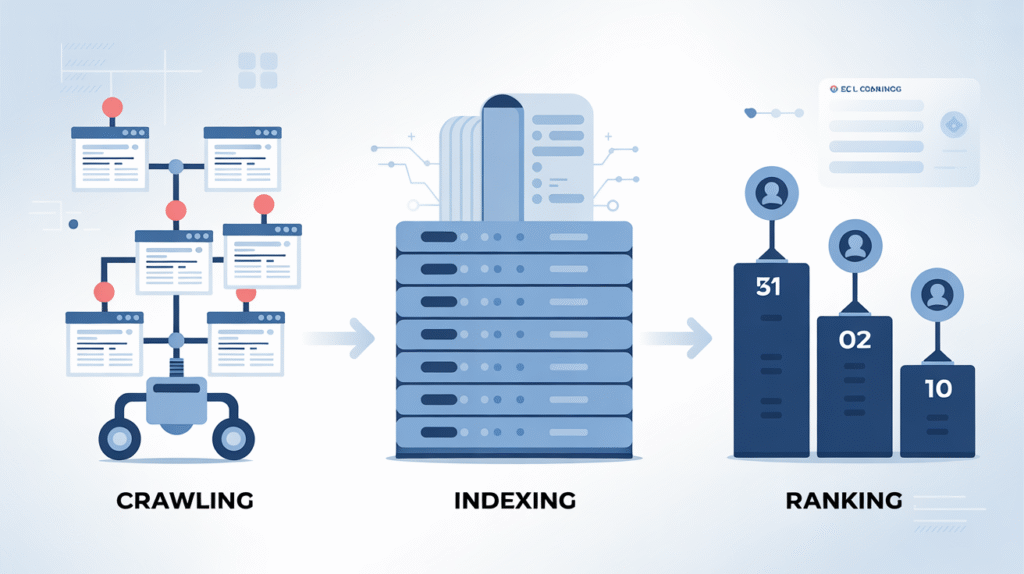
It helps the search engines understand your website. Further, SEO determines which of your pages are listed in search results and how many. Significant steps include crawling, indexing, and ranking; optimizing all three makes your site easier to find and increases traffic.
1: Crawling
Crawling is the first step. The search engine spider, commonly called a bot, is exploring your website. It follows links from page to page. A clear structure and fresh content help the bots find all your pages.
2: Indexing
After crawling, the engines index the pages. The indexed pages may appear in search results. Use clear headings, meta tags, and alt text for images. Avoid duplicate content and broken links.
3: Ranking
Ranking determines where pages appear in search results. Google considers relevance, quality, and user experience. Pages with useful content and good backlinks rank higher. Optimizing improves your position.
Why SEO is Important
SEO helps websites:
- Increase organic traffic and visibility.
- Rank for featured snippets, PAA, image packs, and AI summaries.
- Deliver a better user experience with fast, mobile-friendly pages.
Organic search traffic, NLP and LSI keywords, user experience metrics, search intent, SERP features, and content relevance.
Types of SEO
There are three major types of SEO: On-Page SEO, Off-Page SEO, and Technical SEO. Each type has a different focus on your website. Together, all three work for ranking and user experience.
On-Page SEO
On-page SEO refers to what’s on your website. It includes things like content, headings, titles, and meta descriptions. Using keywords in context will help the search engines understand your pages. Internal links and optimized images also improve results over time.
Off-Page SEO
Off-page SEO is something done outside of your website. Backlinks from reputable websites build trust. So does social sharing and brand mentions. The more authoritative your website appears, the higher it ranks.
Technical SEO
Technical SEO gives search engines easy access to crawl and index your site. It includes site speed, mobile-friendliness, structured data, and HTTPS security. A well-designed technical site leads to better rankings and a better user experience.
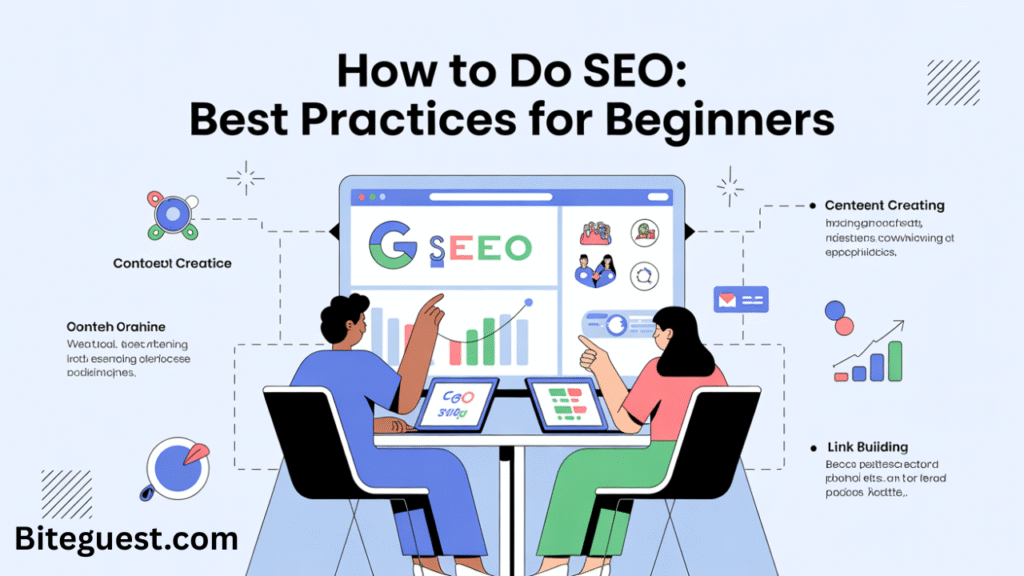
How to Do SEO: Best Practices for Beginners
1. Find Relevant Topics with Keyword Research
Identify what your audience is searching for. Utilize long-tail keywords, search intent analysis, and competitor insights for producing relevant content.
2. Create Helpful Content
Answering user questions, offering solutions, and incorporating multimedia such as images, videos, and infographics. Semantic terms involved are content optimization, meeting user intent, and informational pages.
3. Optimize On-Page SEO
Include keywords in the following: titles, headings, meta tags, URLs, and images. Enhance readability, structure the content, and interlink to really boost on-page relevance.
4. Build Links from Relevant Websites
Earn high-quality backlinks through guest posts, PR campaigns, and collaborations. Keep domain authority, referring domains, and link profile optimization in mind.
All three work together to deliver strong SEO, and they align with the major changes discussed in 2026 Marketing Trends That Will Drive Massive Business Growth.
Conclusion
Ranking higher in SEO in 2026 is all about striking a balance between technical SEO, on-page optimization, quality of content, and authority building. Those as mentioned above 10 best practices, when implemented consistently, will optimize for semantic keywords, monitor results, and build backlinks that your website deserves to improve its organic traffic and visibility, thereby gaining credibility. Create user-oriented content, improve site performance, and stay up to date on the evolution of search algorithms. SEO is a long-term game, so consistent implementation of the mentioned best practices is what will make your site rank successfully in 2026.
FAQS
What is the best strategy for SEO?
The best strategy marries high-quality content, proper keywords, technical optimization, and authoritative backlinks.
What are the SEO trends for 2026?
Some of the important SEO trends involve AI-driven search, voice search optimization, Core Web Vitals, and generative content features.
How to improve the SEO ranking?
Improve ranking by optimizing content, improving site speed, building backlinks, and enhancing user experience.
Which factor is most important for SEO ranking?
Content relevance and user intent are the most important factors for SEO ranking in 2026.
What are the three types of ranking?
In addition, the three types are organic ranking, paid ranking, and local or map pack ranking in search results.