


In 2026, personalised diet plans are transforming how people in the USA eat. These plans differ from standard diets. They focus on your unique needs, lifestyle, and health goals. A tailored diet helps you eat well, manage your weight, aid digestion, and boost energy. Experts recommend nutritionist-designed diets that provide balanced nutrition and are easy to follow. These diets also enhance mental clarity and physical health. Personalised nutrition is now essential for long-term health improvement.
What are Personalized Diet Plans?
A personalised diet plan is a nutrition programme tailored to your needs. Unlike generic diets, it considers:
- Age and gender
- Weight and body composition
- Activity level and lifestyle
- Health conditions (like diabetes or heart disease)
- Food preferences and allergies
- Nutrient deficiencies
Nutritionists or AI tools use this information to make a diet that improves your health and is simple to follow.
1. Optimised Nutritional Intake with a Diet Plans

Personalised diets ensure you get the nutrients you need. They focus on nutrient-rich foods. This helps prevent deficiencies and gives energy for daily activities. Nutritionists design meal plans that take into account your age, activity level, and health conditions. This way, you receive all essential vitamins, minerals, and macronutrients.
This approach goes beyond counting calories. It shows how nutrition helps with digestion, boosts immunity, and improves overall wellness. A personalised diet helps your body work better and lowers the risk of chronic diseases over time.
2. Maintaining Ideal Weight with a Diet Plans

A personalised diet for weight loss or maintenance focuses on your metabolism and activity level. A balanced nutrition plan helps you regulate your calorie intake while keeping you satisfied. People on these diets often see better results than those on generic ones.
Custom diets target weight management by balancing carbs, fats, and protein. This helps reduce stubborn fat, build muscle, and improve long-term diet success.
3. Good Digestive Health with a Diet Plans

Many personalised diet plans include foods that support digestive health. These plans can help ease bloating and discomfort. They do this by checking how well you tolerate different foods. For example, a food intolerance diet may eliminate triggers such as lactose or gluten.
Eating anti-inflammatory meals and fibre-rich foods also supports long-term health. A healthy gut enhances nutrient absorption, boosts energy, and improves mental clarity. This demonstrates how personalised nutrition connects to digestive health.
4. Effective Management of Chronic Conditions with a Diet Plan

Personalised diets can greatly help those with chronic diseases like diabetes, high blood pressure, and heart problems. Nutritionists create tailored wellness plans. These plans aim for meals that balance blood sugar, lower cholesterol, and cut inflammation.
Diets like diabetes-friendly and heart-healthy plans help people manage their health. Research shows that a tailored diet is more effective than general advice. It helps prevent health problems and supports long-term success.
5. Improved Energy Levels with a Diet Plan

Eating the right foods boosts your energy. Personalised diets focus on energy-boosting foods, such as lean proteins, complex carbs, and healthy fats. These meals help stabilise blood sugar and prevent energy slumps.
By addressing nutritional deficiencies, these diets improve stamina, focus, and productivity. People on personalised nutrition often feel more alert and perform better in daily activities.
6. Better Mental Clarity and Concentration with a Diet Plan

Specific nutrients support brain health. Personalised plans focus on nutrients that boost mental clarity. These include omega-3 fatty acids, B vitamins, and antioxidants. These foods improve focus, memory, and learning.
By integrating a mind-and-body approach, these diets support cognitive function. People on a nutritionist-designed diet often experience improved concentration and well-being.
7. Long-Term Sustainable Outcomes with a Diet Plan

Unlike fad diets, personalised diet plans promote long-term improvements in health. They are flexible and fit your lifestyle. These diets make meal plans for you. They also teach healthy eating habits so that you can keep your results for life.
A sustainable diet plan focuses on habits rather than restrictions, reducing food-related stress. This improves adherence and motivation, ensuring long-term diet success.
8. Prevention of Malnutrition with a Diet Plan
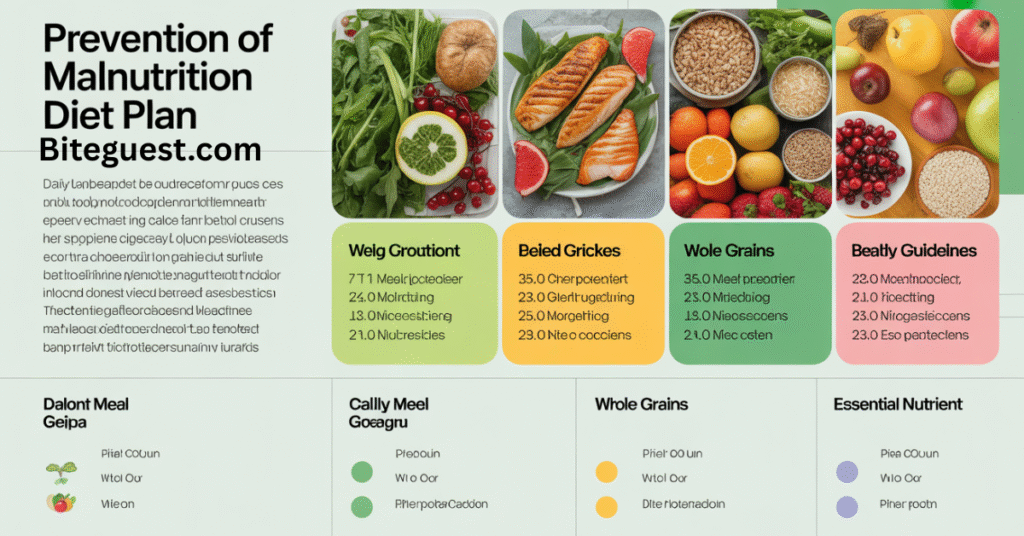
Malnutrition can occur even in well-fed populations with unbalanced nutrient intake. Personalised nutrition considers your daily calorie needs. It looks at how active you are. This way, you get the essential nutrients you need.
Nutrition tracking and accountability help prevent deficiencies in vitamins, minerals, or protein. Custom diets provide holistic nutrition guidance, ensuring your body receives everything it needs.
9. Lower Risk for Food Allergies and Intolerance with a Diet Plan

Personalised diets can be designed as allergy-friendly meal plans or food intolerance diets. Nutritionists identify foods that may trigger reactions, helping prevent allergic responses and gastrointestinal issues.
By creating customised wellness plans, people can safely enjoy meals without discomfort. Personalised diets also allow gradual testing of foods, improving gut tolerance and overall digestive health, and food intake.
10. Increased Motivation with a Sense of Responsibility with a Diet Plan

A tailored diet encourages commitment. Personalised nutrition fosters a sense of responsibility for your health. Tracking progress and seeing results boost motivation to stick with the plan.
A nutritionist-designed diet helps you stay accountable. This makes it easier to adopt healthy eating habits and stick to a long-term plan. This strengthens your connection to your goals and leads to consistent lifestyle improvements.
When can a personalised diet plan be beneficial?
A personalised diet plan is practical when standard diets do not meet your needs. It helps when you want to achieve specific health or lifestyle goals. Here are some examples:
- Weight management: To lose, gain, or maintain weight, a personalised plan looks at your metabolism and nutrition. This helps you get better results.
- Boosting energy and mental clarity: Personalised nutrition helps you balance nutrients. This prevents fatigue and sharpens focus.
- Digestive Health Support: If you have bloating or gas, a specific plan can help identify triggers and add foods that support your gut.
- Preventing nutrient deficiencies: A personalised diet helps you get essential vitamins and minerals. This lowers the risk of malnutrition.
A personalised diet is helpful when you need a plan suited to your body, lifestyle, and health goals. It often leads to better long-term results than a generic diet.
Which types of Personalised Diet Plans can I get?
Several types of personalised diet plans cater to your health goals and lifestyle. In 2026, popular options include:
- Mediterranean Diet: Focuses on fruits, vegetables, whole grains, lean proteins, and healthy fats. It supports heart health and promotes long-term wellness.
- Flexitarian Diet: A diet focused on plants, with occasional meat added in. It is flexible and supports weight management.
- DASH Diet (Dietary Approaches to Stop Hypertension): This diet helps reduce blood pressure. It focuses on fruits, vegetables, and whole grains, while cutting down on salt and sugar.
- Plant-Based or Vegetarian Diets: Focus on foods like vegetables, fruits, legumes, and nuts. You can adjust these to fit your protein needs and support your weight and heart health.
You can change each diet to fit your activity level, health needs, allergies, and likes. This makes them practical and sustainable for long-term wellness.
Why Personalized Diet Plans are The Future of Nutrition
In 2026, more people are adopting personalized nutrition because it is adaptable, practical, and evidence-based. These plans:
- Account for genetics, allergies, and lifestyle.
- Support mind-and-body wellness.
- Promote long-term health and sustainable habits.
With technology and nutrition tracking, it’s easier than ever to follow a diet that fits your unique needs. Personalized diets are no longer a luxury—they are becoming the standard for optimal health.
Final Thoughts: Which Diet Should You Follow?
Personalised diet plans in 2026 help maintain a healthy weight. They also boost mental function, support gut health, and assist with chronic diseases. Finding the best nutrition, diet, and lifestyle plan helps Americans stay healthy in the long run. Seeing a nutritionist or dietitian can ensure that meals are practical and enjoyable, helping you stay on track to meet your goals. You can choose from various diets like Mediterranean, Flexitarian, Noom, DASH, and MIND. Pick one that fits your wellness and energy goals.
FAQS
1. When can a personalized diet plan be beneficial?
A personalised diet plan helps you maintain a healthy weight, boost energy, improve digestion, manage long-term health problems, and ensure you get all the nutrients you need.
2. Which types of personalized diet plans can I follow?
Some common plans include Mediterranean, Flexitarian, DASH, MIND, and whole-food diets, which can be customized to your health objectives and everyday routine.
3. How does a personalized diet improve mental clarity?
Personalized diets provide the mentioned nutrients and support the brain for doing its functions, being focused, and even recollecting.
4. Can personalized diets help manage chronic diseases?
Yes, they are designed to balance blood sugar, lower cholesterol, reduce inflammation, and support overall health for conditions like diabetes or hypertension.
5. Are personalized diets better than generic diets?
Personalised diets offer tailored nutrition, higher adherence, improved results, and long-term sustainable health benefits compared to generic diets.
Meta description
In 2026, personalized diet plans are the future. Improve digestion, manage weight, boost energy, and reach your health goals with tailored nutrition.
[…] detailed meal planning, parents can also refer to Personalised Diet Plans 2026: Achieve Better Health Easily to tailor meals to nutrient […]