

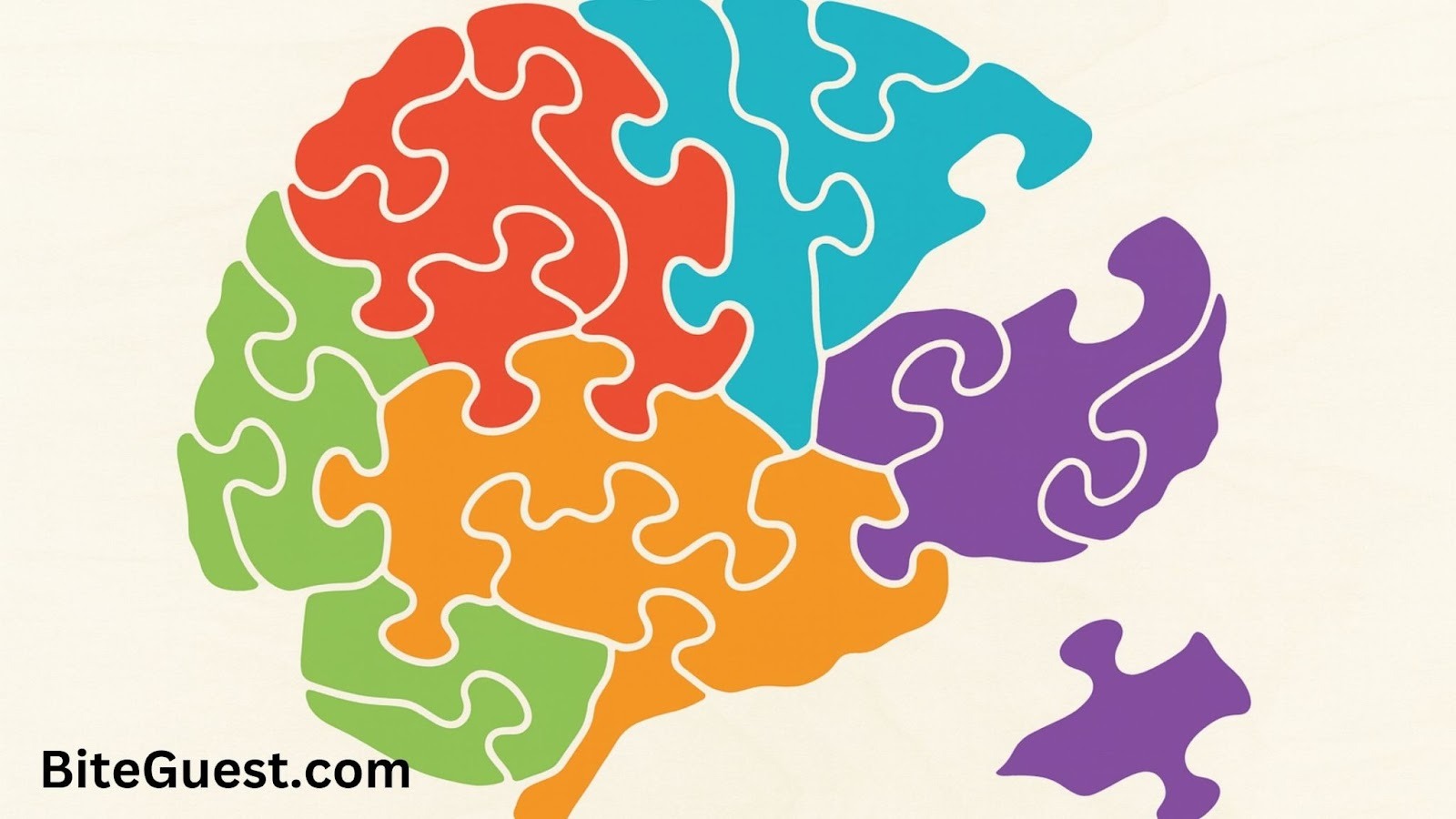
It is equally important to keep the brain as active as the body, and puzzle games are one way adults can do so. The best brain-training games improve memory, concentration, and mental sharpness and keep the mind working. Sudoku, crosswords, and strategy games are among the games that many people enjoy because they are challenging yet entertaining.
Such games are brain exercises that help sharpen problem-solving, logical reasoning, attention, and flexibility. Puzzles may also help maintain long-term brain health and simplify tasks that need to be done each day. During a break or a long session, users may want these games to offer a quick, easy, enjoyable way to sharpen the mind and improve overall mental capacity.
Why Puzzle Games Are Important for Brain Training
Puzzle games are no longer just a source of instant amusement. They are considered brain exercise games that give mental flexibility a little boost and help one gradually activate one’s critical thinking skills. By using brain workout games for adults in their daily lives, they can access very important cognitive processes that support memory, concentration, and problem-solving.
Not many disagree with the idea that mental fitness activities enhance cognitive function and, in doing so, create new neural connections. Just consider them small but very powerful activities that can stimulate the brain and, in turn, enhance its ability to adapt, learn faster, and remain sharp in the long run. Moreover, they offer the super advantages of real life, such as clearer thinking, faster reactions, and overall improvements in daily performance.
Benefits of Puzzle-Based Brain Training

1. Improved Games Memory:
Regular playing of puzzle games can be very beneficial for adults in sharpening their memory. The brain is being trained to recall information quickly through games such as crosswords, Sudoku, and trivia. This mechanism continues and eventually enhances both short-term and long-term memories.
Better memory, therefore, makes it easier to do daily activities such as recalling names, dates, or significant points. Gradually, these workouts not only help to keep the mind sharp but also make one more awake.
2. Enhanced Focus Game and Attention:
Puzzle games are considered an excellent choice for adults to improve their focus and attention. Activities such as matching games, logical puzzles, and brain-training applications demand attention and careful thought.
Constantly engaging in these activities reduces distractions and improves the ability to concentrate. More concentration in problem-solving and decision-making in daily life results from practicing mind training with focus. Eventually, these exercises teach the brain to remain more active and alert for a more extended period.
3. Better Problem-Solving and Logic:
Puzzle games are a way to improve adults’ problem-solving and logical thinking skills, beyond being mere sources of entertainment. Among the games that fall under this category are Sudoku, logic grids, and strategy-based apps, all of which require the brain to step by step find the right solution.
These activities, if done regularly, will eventually build the three basic and fundamental skills of reasoning, planning, and decision-making. These skills can then be gradually transferred to real-life situations, helping one cope with daily challenges more easily. Thus, puzzle games gradually train the mind to think more clearly and efficiently.
4. Stronger Cognitive Flexibility:
Puzzles have the power to play an integral role in adults’ cognitive development, especially cognitive flexibility, which means the ability to easily adapt to new situations and to think of new possible points of view. Games that require switching strategies, like those based on pattern recognition or even on strategy itself, are making the brain more capable of adjusting.
Working on this skill can enhance one’s problem-solving and creative thinking. Regular practice might just be the thing that allows one’s mind to get adjusted to the new quickly but already encountered scenarios and hurdles. Finally, cognitive flexibility will develop over time, making one’s thinking less and less dependent on the old way and thus more and more efficient.
Top Best Puzzle Games for Brain Training
Below are puzzle games highly recommended for adults who want to sharpen their minds while enjoying meaningful mental challenges.
1. Sudoku – The Classic Choice for Brain Structure
Improving memory, logic, and problem-solving skills has long been associated with solving the classic Sudoku puzzle. In Sudoku, the player fills a 9×9 grid with numbers so that each row, column, and square contains exactly one of the nine digits. By requiring the brain to think ahead and plan each move with precision, this has developed into a popular tool for stimulating the mind. Because of its popularity, Sudoku can now be found in many places, including newspapers, books, and even smartphone apps, making it very convenient to play daily. As such, continuous play will ultimately improve mental agility and sharpen the mind.
2. Crossword Puzzles – Boost Recall and Vocabulary
Crossword Puzzles, whether paper or electronic, provide an opportunity to enhance memory, enhance vocabulary, and develop reasoning abilities. Solving a crossword puzzle stimulates long-term memory, helping people remember words and other information related to them. Regularly playing crossword puzzles will help improve verbal learning and problem-solving skills. Crossword puzzles are easy to do during daily activities, such as on the commute or during a break. As players continue to do crossword puzzles, their cognitive abilities will strengthen, keeping their minds active and vigilant.
3. Lumosity – Personalized Cognitive Workouts
Exercises developed by scientists are part of the Lumosity brain-twisting workout. These items are made to enhance an individual’s memory, concentration, processing times, and analytical reasoning skills through cognitive exercise. Of all available cognitive training applications, Lumosity is one of the more successful options. Users can access and improve cognitive skills as they work through challenges in the app, which automatically adjusts the difficulty level to reflect each user’s strengths and weaknesses. Regular practice of cognitive exercises leads to ongoing cognitive development and sustained mental agility.
4. Peak – Short but Powerful Brain Workouts
Exercises developed by scientists are part of the Lumosity brain-twisting workout. These items are made to enhance an individual’s memory, concentration, processing times, and analytical reasoning skills through cognitive exercise. Of all available cognitive training applications, Lumosity is one of the more successful options. Users can access and improve cognitive skills as they work through challenges in the app, which automatically adjusts the difficulty level to reflect each user’s strengths and weaknesses. Regular practice of cognitive exercises leads to ongoing cognitive development and sustained mental agility.
5. Chess – Strategy Training for Deep Thinking
A common misconception about chess is that it’s a game that develops deep thinking and planning skills against an opponent. In actuality, chess develops the ability to reason about one’s own moves and about the opponent’s potential moves. Therefore, chess strengthens memory, attention, problem-solving, and critical-thinking skills.
Lastly, chess can be played with other people either face-to-face or online. Chess can be played casually, socially, or competitively. Furthermore, through frequent chess play, players’ mental acuity increases and their overall cognitive functioning improves.
6. Scrabble – Vocabulary and Cognitive Recall
Scrabble is a well-known board game that can help adults improve their vocabulary and cognitive recall. Players must create words using the letters on the board, which requires both memory skills and strategic thinking. By using this game, players develop their language skills and improve their problem-solving capabilities. Scrabble can be enjoyed with friends or family in person or online; it offers entertainment value and can be enjoyed as a social activity. A player who plays often will maintain a sharp memory and overall mental agility.
How to Use Puzzle Games Effectively
Most surveyed adults have the same question: How can I benefit from puzzle game training to improve my brain’s cognitive skills?
The answer? Consistency
Puzzle games can enhance cognitive skills when played regularly. I prefer shorter, daily sessions because they are more effective for developing new brain pathways over time. Even 10–15 minutes of short-term mental activity is effective for maintaining brain health and building new skills in the long term.
If you would like to maximize the effectiveness of Puzzle Games for Cognitive Skill Development, do the following:
- Establish a consistent daily schedule.
- Combine several different types of puzzles.
- Slowly increase the level of difficulty with each puzzle.
- Keep a log of your progress.
- Have patience, as brain development is gradual.
Once you develop the habit of playing puzzle games, they become a reliable and effective tool for enhancing memory, focus, and mental sharpness.
Conclusion
Adult puzzle games are an enjoyable and effective way to keep minds active. The person can choose between Sudoku, crosswords, chess, or a brain-training app like Lumosity or Peak, and each puzzle offers unique benefits for cognitive development. Regular practice strengthens memory, increases attention span, and improves problem-solving abilities — these qualities make adults mentally agile in daily activities.
Puzzle games are not only fun and easy to play but also very powerful. They are not merely a form of entertainment; they are the means to enhance one’s cognitive capabilities, facilitate the maintenance of brain health in the long run, and consequently raise one’s performance to the best level.