

In 2026, digital marketing can run like a freight train thanks to more advanced AI, emerging search habits, and increasing consumer demands. The brands can no longer afford to think in terms of old ways, and they need to adopt technology that delivers real-time, personal experiences. The future is in the hands of those who can change quickly and see what actually matters when making decisions for the audience.
With the emergence of new platforms and changing user habits, it is necessary to keep up with these trends to achieve long-term success. Companies that adopt these changes can establish better relationships, gain exposure, and increase conversions with minimal effort. This guide discusses the most significant changes that will influence your strategy in 2026 and how they will shape the future.
1. AI-Powered Marketing Becomes the New Standard
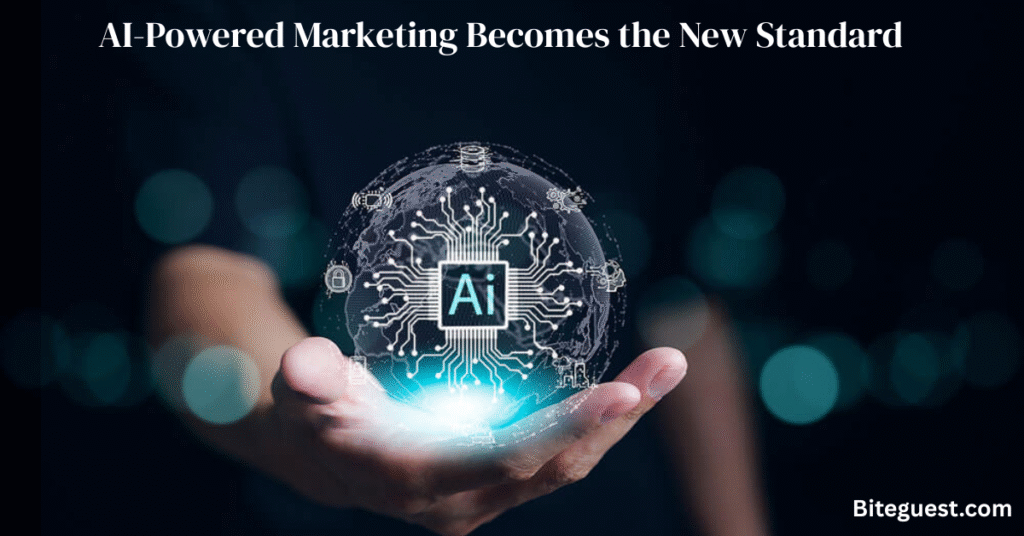
The concept of artificial intelligence has become a central aspect of digital strategies in 2026. AI tools now process tasks such as analyzing human behavior, generating content, testing, and optimizing the customer journey much faster than humans. Brands employ artificial intelligence (AI) technologies to reduce the time spent creating content, the cost of content production, and the time spent delivering content that seems to be written for each user.
How AI is transforming the marketing landscape
- Insights that enable real-time customer segmentation and predictive behavior.
- AI that takes over content creation for blogs, emails, and product descriptions.
- Chatbots powered by AI are acting as support representatives and responding instantly to customers.
- Personalization of websites based on the user’s intent in a seamless manner.
For example, an AI algorithm can suggest personalized clothing combinations for a customer based on their online search history at a fashion retailer. Real-time personalization, which caters to customers’ tastes, has replaced static webpages for shoppers.
Why this trend matters
AI lessens the field of guesswork and enhances accuracy. It also speeds up activities that would have required hours. Above all, AI improves the customer experience by helping brands build trust by providing relevant content.
2. Automated Content Creation and Personalization
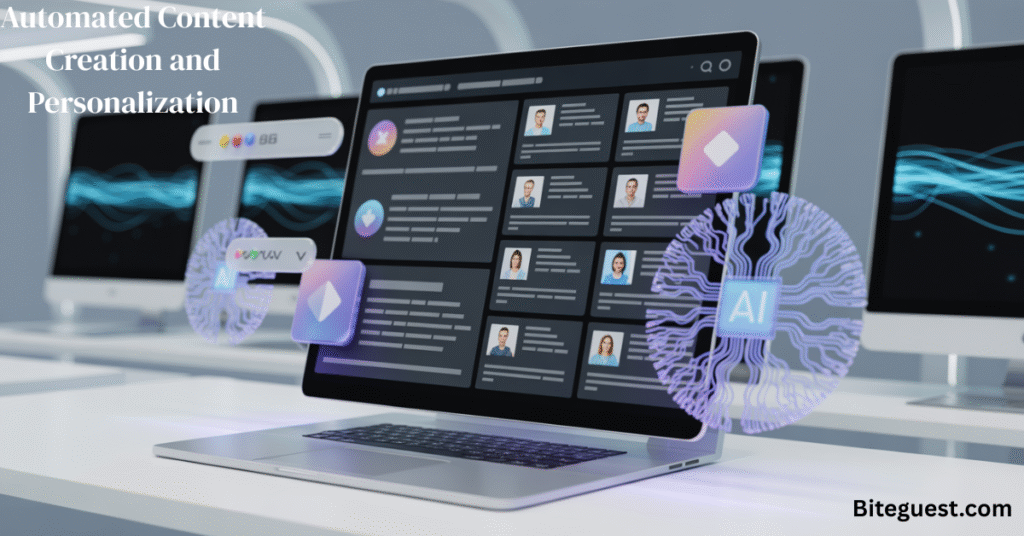
Content creation is smarter and more adaptive thanks to the new AI development that keeps improving day in, day out. Social captions, advertisement creatives, emails, and scripts are generated automatically in a matter of seconds and do not conflict with a brand’s identity. Such tools do not substitute human creativity; they just enhance it.
How personalization works in 2026:
- Newsletters via email are altered depending on their user’s interest.
- The headlines on a website change based on search history.
- Video advertisements recreate themselves to target audiences.
- The product suggestions are specific to each customer.
For a fitness brand, one can reply to specific workout emails that are tailored to prior session records or buying history. Such customization raises engagement and customer loyalty.
3. Rise of Multimodal Search (Voice, Image, Text, and Visual AI)
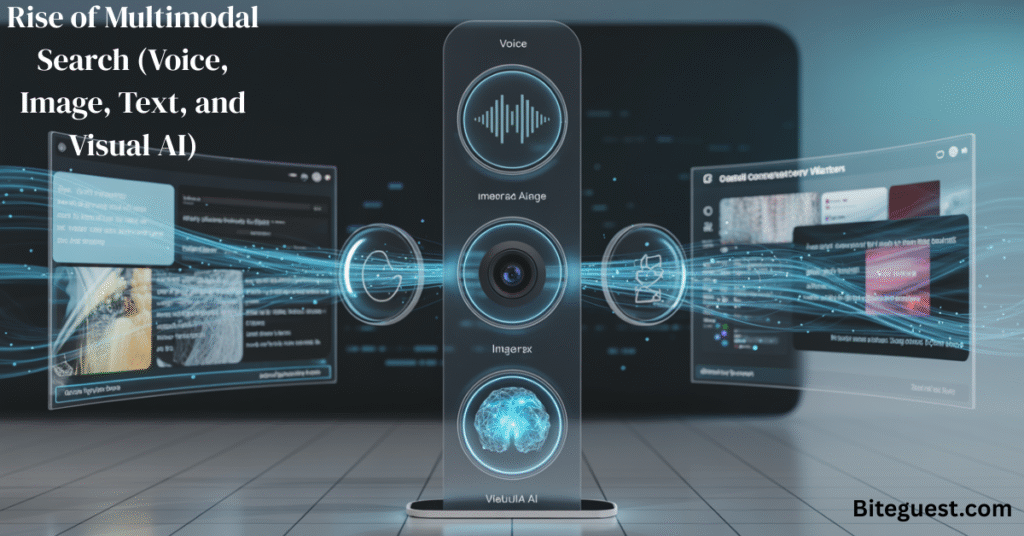
Search is no longer the act of typing keywords. Multi-modal search becomes a default feature across key platforms in 2026. Individuals are now searching using a photo, a voice command, an audio clip, or a combination of any of the above.
Examples of multimodal usage
- Take a photo of a chair → discover other similar products immediately.
- Google it, say what a good laptop under 1,000?
- Post a screenshot – acquire product links.
- Complex questions should be supported with keywords, pictures, and voice.
To be ranked under multimodal search, brands have to optimize:
- Alt-text for images
- Schema markup
- Conversational keywords
- Clear product visuals
- Semantic-rich descriptions
This trend incentivizes brands that produce high-quality, visually descriptive content.
4. Predictive Analytics and Behavior Forecasting
Predictive analytics uses historical data and machine learning to predict the next action of a user. This trend is changing digital campaigns in 2026.
Marketers can now predict:
- At the point of readiness to purchase by a customer.
- Who is at risk of leaving
- What will be the next trending products in one month?
- What the user prefers has to offer.
- Most effective times for email and push notifications.
For example, a retailer can identify a frequent viewer of a product but never a buyer. The AI will then make a personalized offer at the right time to stimulate a purchase.
Such detail enhances sales and helps brands minimize ad expenditures.
5. AEO (Answer Engine Optimization) Takes Over Traditional SEO
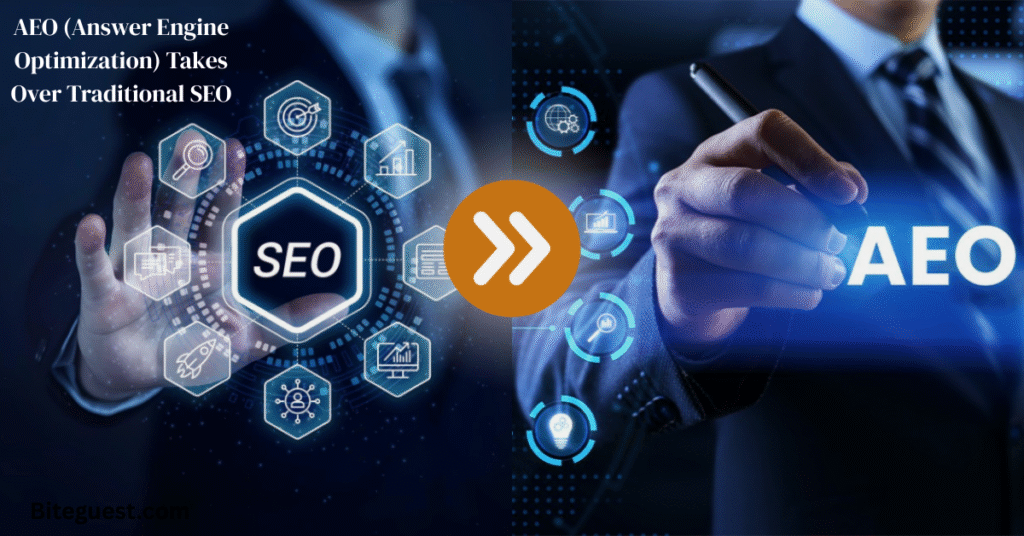
Search engines are becoming answer engines, particularly through AI-fueled services like Google SGE, ChatGPT, and Perplexity. These systems will not display lists of links; they will provide direct answers.
AEO focuses on:
- Clarity in writing simple, straightforward answers to general questions.
- Utilizing structured information and the FAQ schema.
- Delivering premium information in easy terms.
- Optimization of zero-click search.
For example, when someone makes a query like, “How does predictive marketing work?” Answer engines will draw content from websites that provide direct, to-the-point answers.
Brands that want to be visible should align with AEO by producing clear, semantically enriched content that AI systems can easily understand.
6. Hyper-Localized Marketing and Geofencing
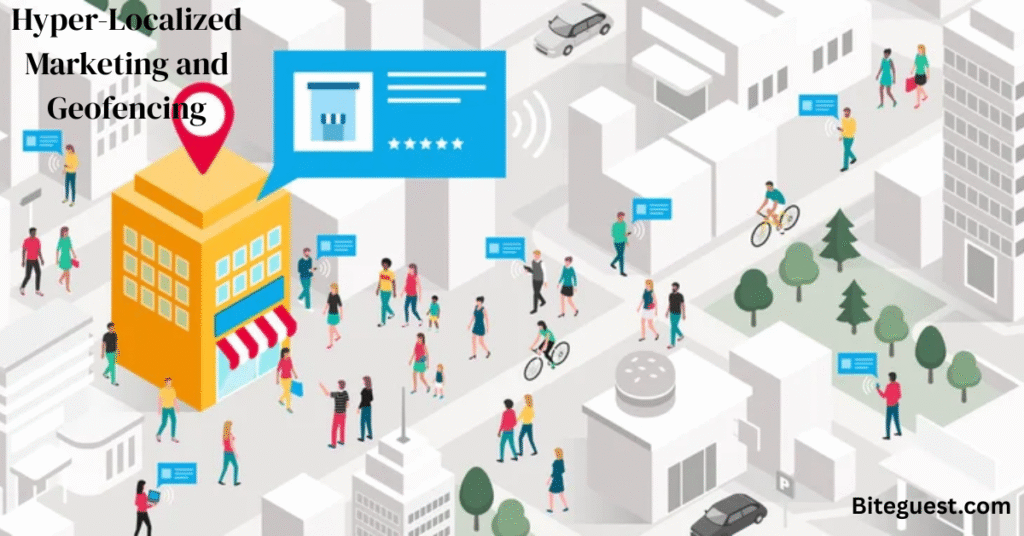
Consumers desire appropriate information tailored to their location. Hyper-localized marketing and sophisticated geofencing will be used in 2026 to ensure that brands reach people at the right location and right time.
Examples of hyper-local campaigns
- Push notifications upon entry into a shopping district.
- Weather-based ads (e.g., “Hot day? Get a cold drink for 20% off.”
- There is a Real-time service that provides proximity to restaurants, events, and retail stores.
- Neighborhood-oriented advertising aligned with community trends.
This trend is successful because it involves marketing in the user’s immediate environment, which increases opportunities for interaction and conversions.
7. Augmented Reality (AR) Becomes Mainstream in Shopping
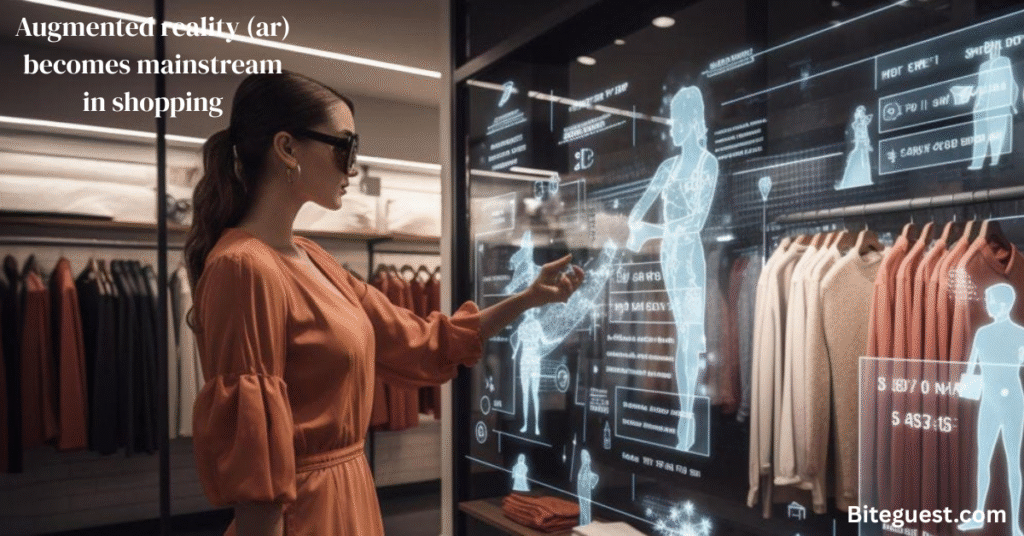
AR has been a significant feature of e-commerce activities. AR devices can be used in beauty and eyewear, home decor, and cars to enable customers to see products before purchase.
Examples of AR in 2026
- Online fitting of clothes, shoes, and accessories.
- Furniture room preview applications.
- Car customizers that are interactive.
- AR education of B2B organizations.
Customers are also assured when they can have a live view of products. This lowers returns and increases customer satisfaction.
8. Omnichannel Customer Journeys Become Seamless
By 2026, customers will be changing platforms more than ever. Instagram may lose them to a site, then to email, and then to WhatsApp. An effective strategy connects all these touchpoints.
Components of a practical omnichannel experience.
- Unified customer data
- Cohesive intermedia communication.
- Real-time personalization
- Real-time cross-platform synchronization.
For example, when one shops for shoes using a mobile application, they will subsequently receive a recommendation email and a discount offer notification via WhatsApp.
Brands that succeed in this flow build better relationships and loyalty.
9. AI-Optimized Paid Advertising
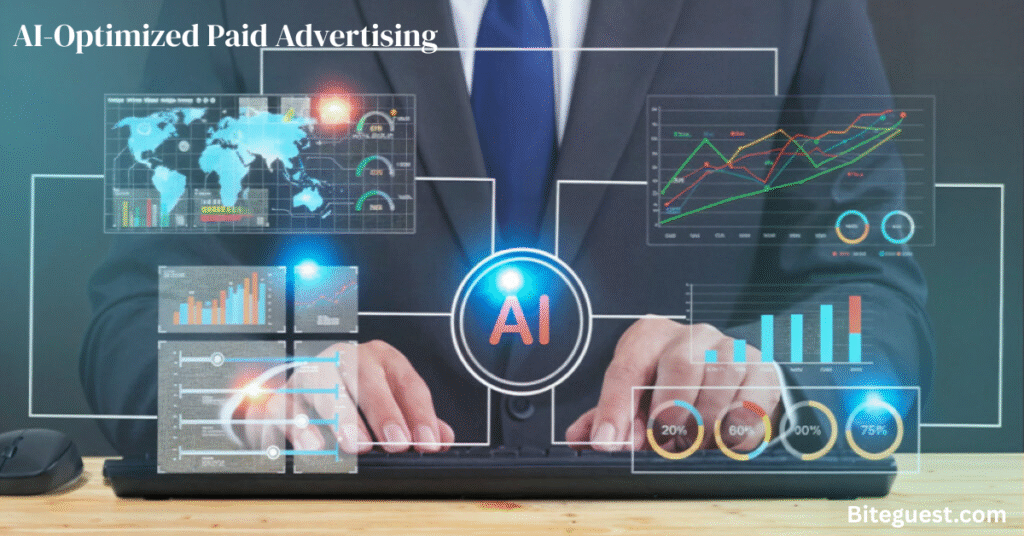
Artificial intelligence is much needed in advertising platforms. The campaigns are automated and change in response to real-time signals, behavior, and future predictions.
Most ad functions are regulated by AI, including:
- Budget distribution
- Audience targeting
- Bidding
- Creative rotation
- Anticipatory performance forecasting.
For example, tools such as Performance Max and Meta Advantage+ automatically test various ad combinations to find the best-performing one. This leads to improvement in ROI and reduced manual labor.
10. Social Messaging Apps Become Sales and Support Hubs
Now, the significant customer touchpoints are WhatsApp, Instagram DMs, Messenger, and TikTok Inbox. Messaging apps are more personal and immediate, as people prefer them.
By 2026, messaging applications will be applied in:
- Product recommendations
- Customer support
- Order updates
- Payment links
- Loyalty programs
- Automated chat flows
AI chatbots are used to address simple cases, while human agents handle complex cases. The hybrid model enhances satisfaction and enables companies to handle high volumes of messages.
Conclusion:
In 2026, the digital world is intelligent, fast, and user-centric. These trends indicate significant shifts toward personalization, automation, data precision, and seamless experiences. The brands that will adopt AI, predictive analytics, and immersive technologies will have a competitive advantage. In the meantime, the emphasis on trust, transparency, and customer value is key to long-term success.
To stay ahead of the pack, companies are advised to consider these trends early, test new tools, and refine their strategies every day. This is the future of brands that will change quickly and deliver real value at every point of contact.
FAQs
1. What is the biggest digital marketing trend in 2026?
1. The biggest recurring issue we’ve experienced is the consistent emergence of AI within marketing. Marketers are using AI for content creation, predicting customer behavior, personalization, and can automatically optimize their campaigns.
2. Why is multimodal search important in 2026?
Multimodal search enables human users to search by voice, images, and text; therefore, brands will need to optimize for visual content, schema, and conversational content to be discoverable.
3. What is the difference between AEO and SEO?
AEO is the new SEO, focused on getting clear, to-the-point answers from AI-generated platforms like Google SGE and ChatGPT, and on helping discover zero-click searches.
4. What is the importance of AR to marketing?
AR works with the customer experience to better visualize the product before purchase, building greater confidence in the decision to purchase and the purchase experience, and lowering return rates.
5. Why are messaging apps so important for businesses?
Customers are increasingly leaning towards more immediate personal forms of communication. Messaging apps enable brands to sell to, support, and directly engage customers, creating a real-time conversation.