
The health and fitness industry is undergoing significant changes, and these are not just incremental improvements we have seen before. Where life once revolved around calorie counting or abs, it is now representative of something much more multidimensional and holistic. In 2026, wellness is no longer about how you think you look; it is about how you feel, recover, and live. The year ahead will be filled with more intelligent technology, mindful movement, individualized training, and sustainable decision-making.
According to the American College of Sports Medicine (ACSM), research trends for 2026 will merge the best of science, real data, and human connection to explore movement more healthily. Regardless of whether you are training for a weekend run, you are an experienced gym rat, or you are entirely new to the world of fitness, understanding these trends and their personal implications will keep you ahead of the pack and in every approach of every workout.
Why These Trends Matter: Health and Fitness
Several large-scale research efforts show the fitness industry is at an inflection point:
- The American College of Sports Medicine’s (ACSM) 2026 trends survey of 2,000 exercise professionals identifies new priorities, including wearable technology, active aging, mobile apps, and balance/flow/core strength.
- Industry analysis from Starts Insights identifies “hyper-personalisation”, digital adoption, and preventive wellness as key to the health and fitness industry’s direction.
- Global wellness research from McKinsey & Company shows younger generations (Gen Z, Millennials) treat wellness as an everyday lifestyle rather than a one-off fix.
In short, what we do in the gym or for our health needs to be smarter, more integrated, and more sustainable. Let’s dive into the top trends you need to know.
1. Wearable Technology Evolved: From Data to Decisions
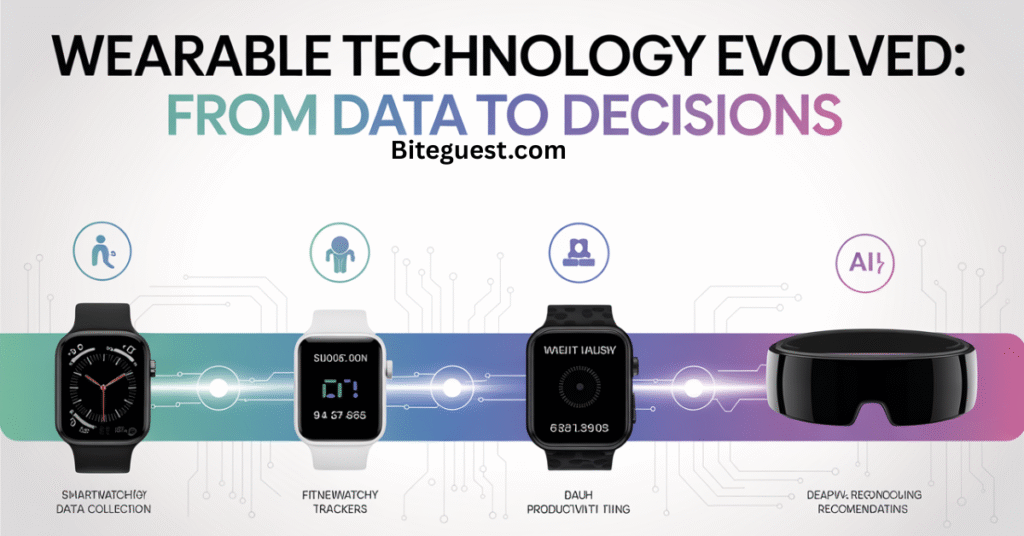
Wearable technology has matured into active, intelligent health allies that gather data and insights to help you better your habits.
- They gather measures around sleep, stress, recovery, and hydration.
- The devices will measure heart rate variability, blood oxygen levels, and, where applicable, skin temperature.
- Most modern devices provide personalized feedback, designed to coach you on when to train, when to recover, and when to hydrate.
Tip: The device you select should fit with your lifestyle; you don’t need to be concerned if it is packed full of features if you are micro-focused on simplicity and comfort.
Evolved: Top Fitness Communication for 2026 — where data, AI, and fitness communication connect to improve everyday wellness.
2. Functional Fitness: Training for Real Life
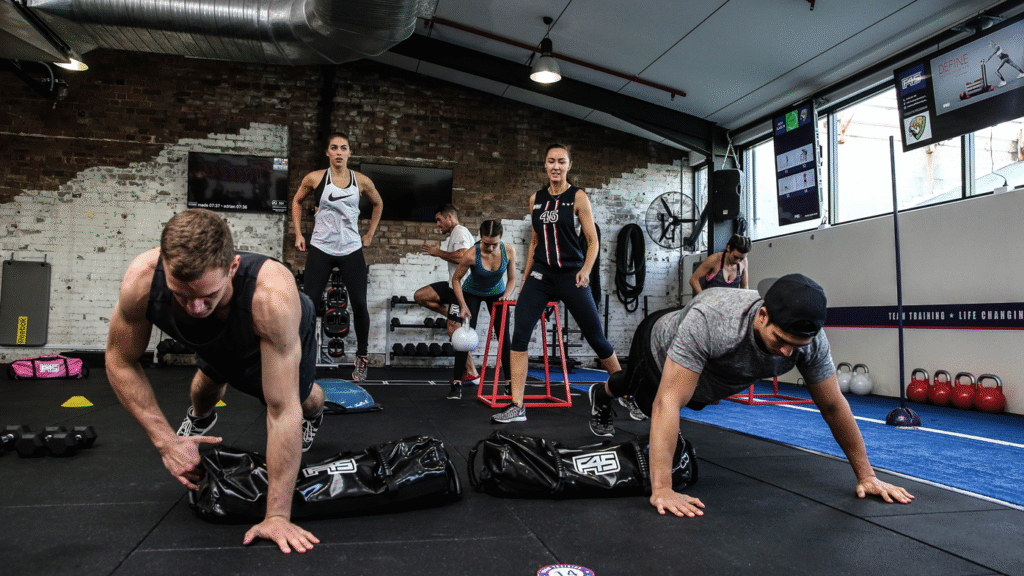
Functional training is predicted to be one of the leading health and fitness trends for 2026. It focuses on basic movements that you do in your everyday life. Functional training isn’t just working muscles in isolation; it trains your body specifically to move better, not just look better.
Examples of Functional Exercises
- Squats (sitting and standing)
- Lunges (stability walking)
- Push-ups (strength up/down body)
- Deadlifts (lifting something safe)
Functional exercises can promote enhanced coordination, posture, and joint mobility, which can help prevent injuries and encourage greater independence as you get older.
Tip: Always include at least three compound movements in a workout for best results.
3. Artificial Intelligence in Fitness Coaching
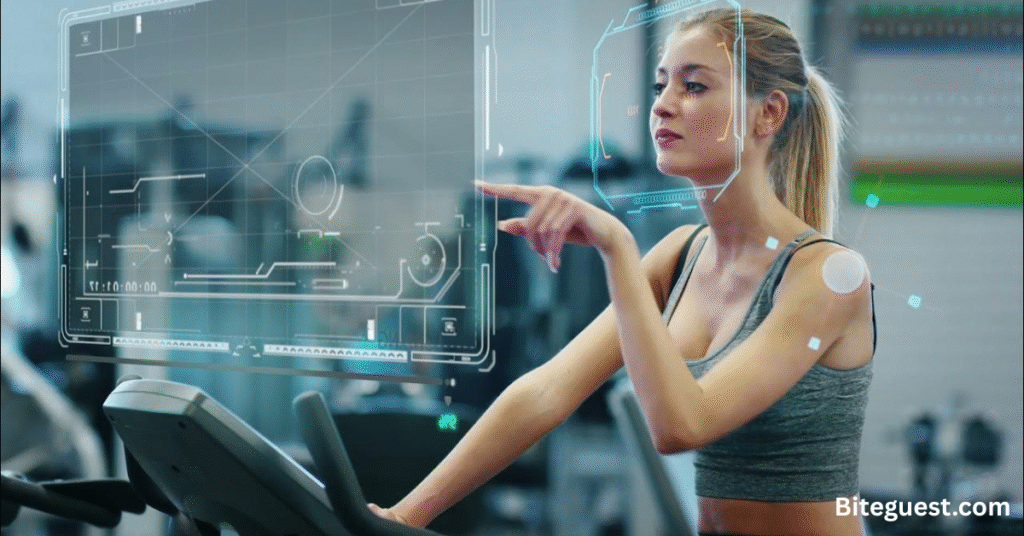
The development of AI is transforming our training. By 2026, AI apps will go beyond building your workout plan. The apps will learn from your output.
AI utilizes machine learning to track your unique progress, analyze your movements through your smartphone camera, and provide real-time adjustments. Some programs may even alter your training plan daily based on fatigue and heart rate.
For example, the platform FutureFit AI states that users training with adaptive AI will use the app 40% more consistently when compared to a static program.
Pro Tip: Let the AI decide your training, but also trust your intuition and listen to your body. AI-powered data is excellent, but your body can also provide valuable insight.
4. Mind–Body Training: Movement as Medicine
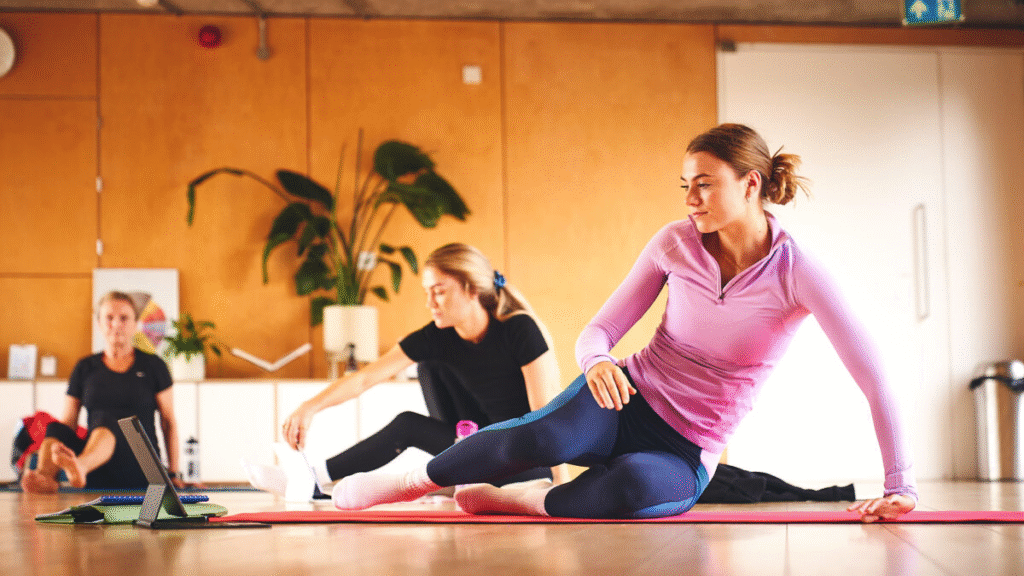
Functional fitness continues to rise in popularity as it trains the body for the essentials of everyday life. This training style focuses on strength, mobility, and coordination instead of just training one muscle group in isolation.
Functional workouts:
- Common movements specific to daily life include step-ups, lunges, and squats.
- Kettlebell swings and farmer carries: increase grip and posture.
- Resistance bands: increase flexibility and core strength.
Professional advice: These characteristics reduce injuries, improve balance, and enhance movement quality; therefore, functional fitness is especially suitable for older adult populations.
5. Sustainable Fitness: A Planet-Friendly Approach
The fitness industry is changing due to environmental awareness. 2026 features a serious commitment to sustainability through eco-friendly gym design and compostable workout products. Studios using renewable energy, yoga mats made from recycled materials, and supplements made from ethically sourced ingredients are now commonplace.
Outdoor workouts are on the increase as a way to lower energy consumption and get people outside. It’s more than just the equipment; it’s the way of being. Healthy living includes the awareness of your planet, your health, and your workout(s), because ultimately, we all live and exist on this planet, Earth.
Pro tip: Take advantage of local activities that are outdoors, like hiking or biking. Make it part of your routine to support brands/body products that use recycled or organic products.
6. Recovery-Focused Fitness
Recovery is now a requirement — it’s part of the fitness experience. 2026 is bringing a priority of recovery-first fitness culture, from cryotherapy to compression boots to sleep recovery, reflective of the total wellness recovery and restoration commitment.
Current top recovery trends
- Smart mats that measure levels of flexibility and relaxation.
- Massage guns and foam rollers that relieve deep tissue with tools.
- Supplements and wellness blends that support restorative rest, recovery, and resilience.
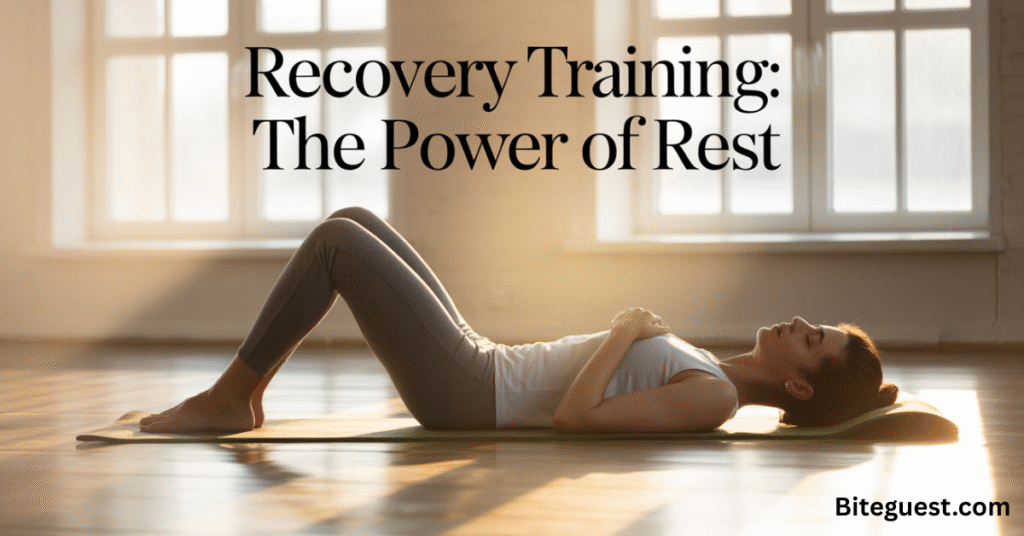
Tip: Formalize your recovery days, just like workout days, too. Rest is the time your body is adapting and rebuilding, and getting stronger.
7. Recovery Training: The Power of Rest
With advanced analytics, training has never been more personalized. Rather than simply guessing, athletes and casual participants leverage data-driven coaching to maximize their results.
Examples
- AI-based apps that alter your program based on sleep, energy, and recovery data.
- Smart gym equipment that tracks form and progress in real-time.
- Virtual trainers that analyze your performance through motion measurements.
- Stat insight: over 65% of gym goers reported that personalized plans encourage continued consistency.
Result: Making fitness more efficient: less wasted time, better results.
8. Social Fitness and Community-Based Training
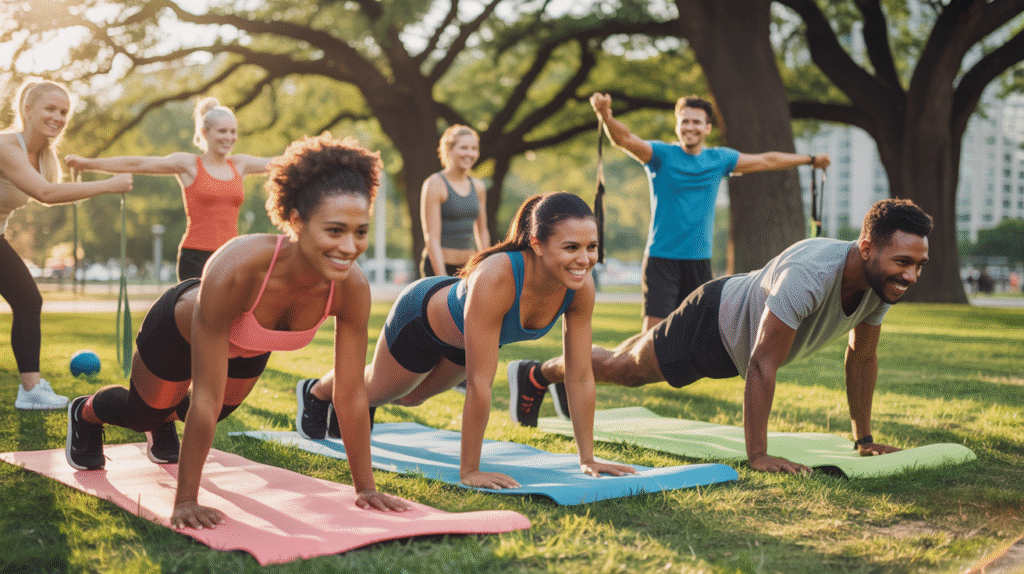
After working out and exercising at home or in their spaces for a couple of years, people are excited to reconnect through group fitness. You see this with recreation sport leagues and social events that have a movement and exercise component returning.
What’s trending
- Adult leagues for pickleball, soccer, and tennis.
- Outdoor group boot camps and running clubs.
- Virtual communities share results and accountability online.
- How does it work? Social accountability increases motivation and maintains habits. As people enjoy the activity, they are likely to continue the movement/exercise habits.
Tip: Join one social fitness group, even if it is a virtual one. The energy of the group inspires a habit of recreational living.
9. Strength Training for Every Body
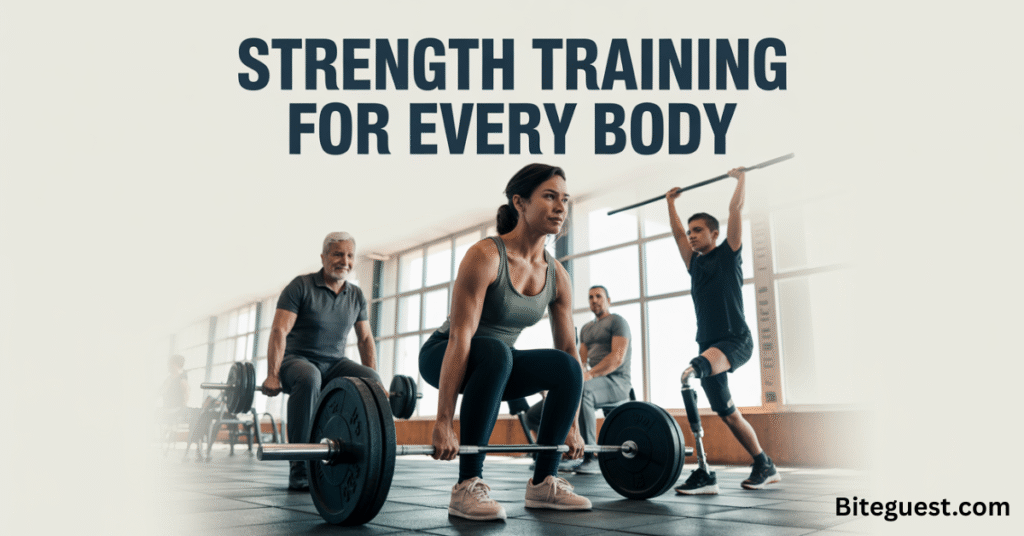
Although strength training continues to be a strong trend, the methodologies have changed. It’s no longer about aesthetics and lifting heavy – it’s about function, health, and longevity.
Modern methods of strength include:
- Bodyweight workouts for beginners (i.e., push-ups, squats, lunges).
- Free weights and resistance bands to build muscle endurance.
- Compound lifts such as deadlifts and presses for total strength.
Tips: When we think of strength from a functional and longevity perspective, we must not forget that strength training stimulates metabolism, promotes bone density, and provides energy in the moment. It is beneficial at any age!
10. Personalized Nutrition and Gut Health

The fitness sector has begun transitioning to overall health and wellness. The conversation around fitness incorporates nutrition and mental well-being, in addition to fitness and exercise.
Key concepts
- Being fit and healthy entails good nutritional choices and mindfulness.
- Rest routines – sleep hygiene, hydration, and recovery rituals
- Health technology has made a connection of the relationship of physical health and emotional well-being.
Hint: Think of fitness like a system. The mind, body, and habits are in place that all support each other. The longevity of health resides in the balance of movement, rest, and recovery.
11. Sustainable Fitness and Eco-Wellness
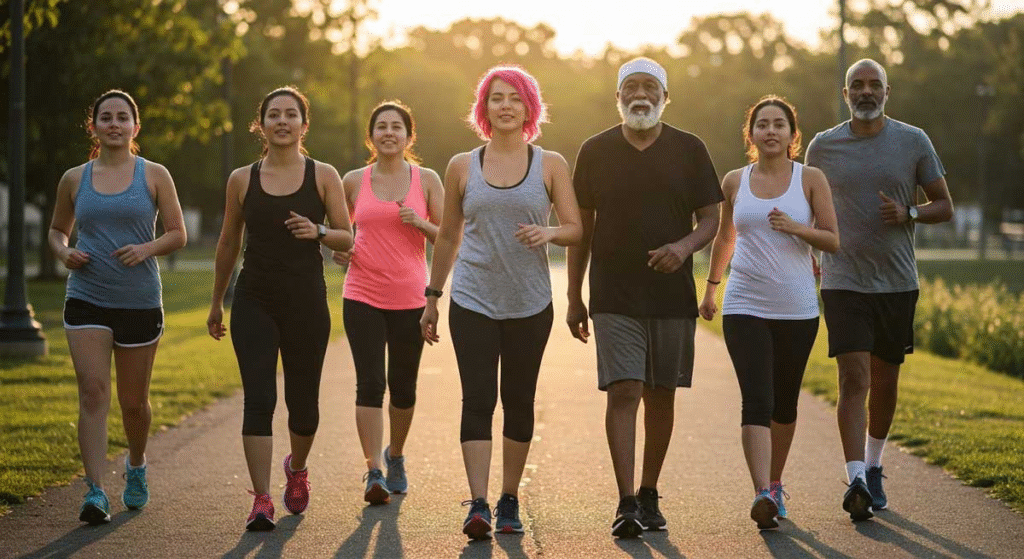
Green exercise is becoming more commonplace. People are calculating the impact their exercise is having on the environment.
Examples of eco-conscious trends include:
- Gyms constructed from low-impact materials or powered by renewable energy sources.
- Sustainable active wear from recycled materials.
- Outdoor exercise options to reconnect with the earth.
Tip: fitness brands that are marketed toward the planet are attracting more eco-conscious consumers.
12. Preventive Health and Medical Fitness

By 2026, healthcare and fitness had become interconnected. Doctors prescribe exercise to decrease the chance of disease; fitness professionals are part of the healthcare team as well, for health conditions like high blood pressure or diabetes. Companies also incorporated active breaks into corporate wellness to keep their employees happy and healthy so that teams can collaborate without the risk of burnout.
Pro tip: Be sure to involve a fitness assessment in your annual medical check-up. Movement is medicine.
Advice: When it comes to health, the focus should not be on being perfect; rather, the emphasis should be on consistency to create health. Health and wellness develop out of daily habits, not out of strength of effort or being a certain weight.
Health Reminder: Preventive health also means avoiding harmful habits. For example, teen vaping can lead to oral health problems like gum disease and tooth decay. Learn more in our detailed guide — How Vaping Affects Teen Teeth and Gums
How to Apply These Trends in Your Routine
You do not need to do all 12 trends at once. Start small:
- Choose one trend that intrigues you, perhaps data-driven tracking or the mindfulness movement.
- Then create one specific goal this month, 150 active minutes per week, for example.
- Be consistent. Regular movement always beats perfection.
- Reflect weekly: What made you feel stronger or calmer? Keep the good, and refine the not-so-good.
The beauty of the fitness landscape of 2026 is choice. There is something for every goal, body type, or lifestyle.
Fitness for Life, Not Just for Now
The top health and fitness trends of 2026 indicate moving toward wellness itself, which will embody intelligence, inclusivity, and intention. This is about developing habits for the long term, not a quick fix. Technology is smarter, recovery is prioritized, and mental health is valued equally with physical strength. Sustainability is the link between our own health and the health of the planet.
To stay grounded in 2026, consider the following guiding principles:
- Move with purpose.
- Rest with intention.
- Eat to nourish rather than to restrict.
- Connect with others.
- Continue to learn and grow.
Fitness and health are not about doing more, but rather what means something for your body, mind, and the planet.
FAQs
1. What are the top health and fitness trends for 2026?
Key trends are advanced wearables, functional fitness, AI coaching, training sustainability, and holistic wellness programs that center around recovery and mental well-being.
2. How will technology influence fitness in 2026?
Technology is providing immediate feedback, personalized training plans, and integrated rest recovery programming to help people train “smarter”, prevent injuries, and track their progress accurately.
3. Why is functional fitness trendy?
Functional fitness is trendy because it is based on how you move during the day. It builds real-world strength, mobility, and balance, making day-to-day life easier while reducing the risk of injury.
4. How important is recovery in a modern-day fitness experience?
Recovery is an essential part of the experience. Adequate sleep and nutrition, as well as continuing your active recovery, will improve your performance and training, improve your resistance to burnout, and allow you to maximize recovery and adapt your body.
5. Do you have any tips for getting started in one of these trends?
Begin by tracking your activity, moving every day, and prioritize moving well over moving intensely. As you form a daily routine, consistently add tools and technology to your experience.
Conclusion
The health and fitness trends of 2026 distinctly demonstrate ease in smart training, mindful living, and sustainability for wellness. Fitness has little to do with looking fit, as defined by images of physical fitness, versus being strong and balanced and leading an active life. Fitness is not only about physical fitness and strength but also mental health and recovery. There are principles of fitness – fitness experiences are becoming more holistic, data-driven, and fully integrated within our total wellbeing.
Technology allows us to adapt, flexibility is being exposed, but the fundamental keys of just getting it done really have not changed: consistency, openness, and self-care. The future of fitness is not about harder training; it is about smarter training. The future of fitness is operating in a synergy of your body, mind, and environment. Become involved with or connected to these trends today and develop systems that support your vigor today and longevity for your future.